
Explore interior trends, AI design insights, styling guides and real transformations
Loft Conversions for European Homes: Design Ideas, Planning and Practical Tips
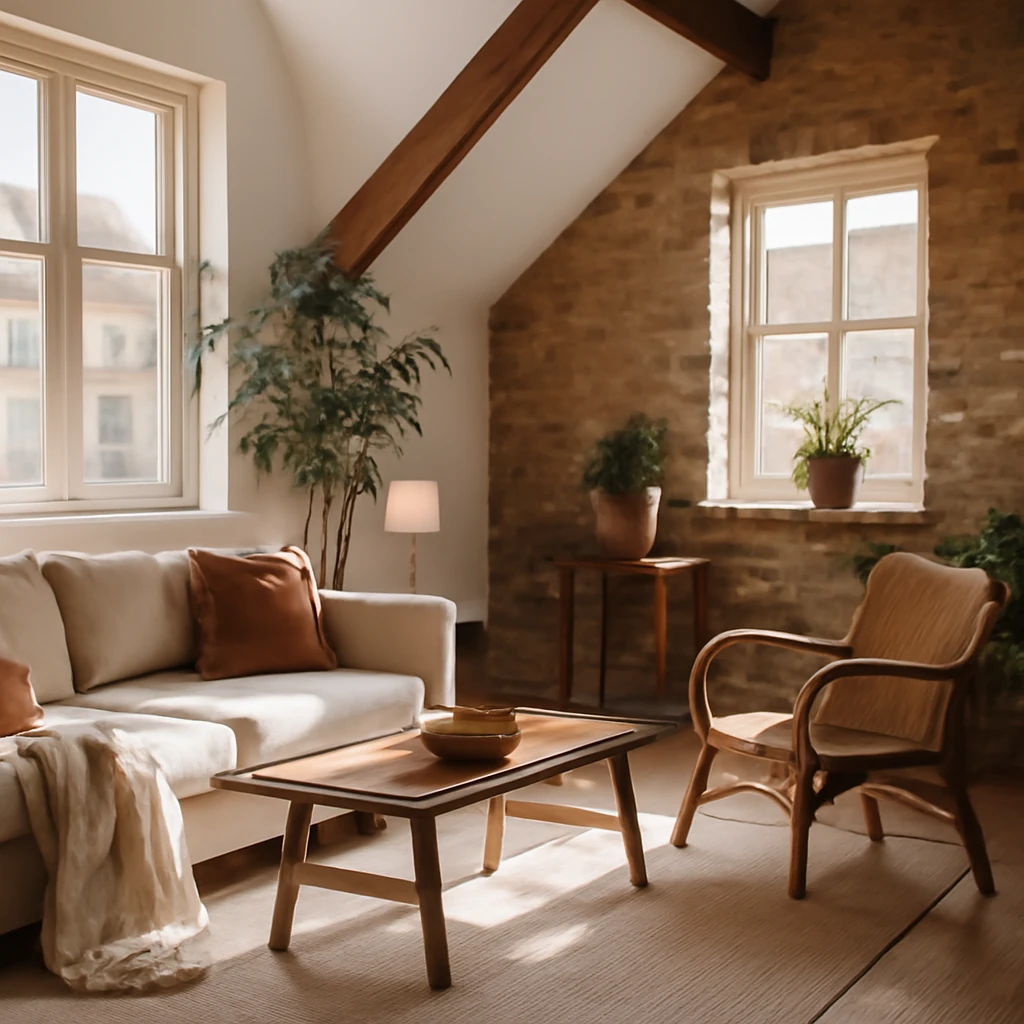
What is a loft or attic conversion?
In many European homes, the space beneath a pitched roof represents a remarkable opportunity. A loft or attic conversion turns an otherwise underutilised top-floor area into a fully habitable room - one that can function as a bedroom, a home office, a studio, a playroom or a cosy living zone. Unlike a standard attic, a well-planned loft conversion is designed for regular use, with attention to headroom, ventilation, insulation and climate control. The result is a space that feels integral to the home rather than an afterthought.
Across Europe, the most common scenarios involve converting a top-floor space in detached houses, semi-detached houses and townhouses. The design challenges remain similar: skewed ceilings, varying heights, and a geometry shaped by the roof line. The rewards, however, are substantial - a comfortable room added to the usable floor area without the cost and disruption of extending the building footprint.
Key features of loft spaces
Understanding the peculiarities of lofts is essential for a successful design. Here are the main considerations that influence layout, lighting and comfort.
Sloped walls and ceilings
The angle of the roof often creates irregular wall and ceiling profiles. While this can complicate furniture placement, it also offers opportunities for bespoke storage, built-in banquettes and clever niches. Plan around each section: shallow alcoves under the eaves can house open shelves or wardrobe bays, while higher, flat ceilings can accommodate standard furniture and full headroom.
Limited headroom in parts
In some zones, ceiling height may drop to 1.2–1.5 m near the eaves. This requires careful decisions about furniture scale and lighting. Avoid oversized pieces in these areas, opt for low-lying sofas, beds with low headboards, and modular units that can flex with the space.
Access stairs and safety
The staircase to a loft can dominate floor space and influence circulation. Choose a configuration that makes movement easy while preserving safety. When space is tight, consider a compact, well-proportioned staircase with landings and a handrail that aligns with the room’s flow. It is essential to close off the opening securely to prevent accidents, particularly where children or older residents are concerned.
Unconventional window placement
Loft windows are usually located in dormers or high on the slope. They create strong daylight and dramatic views, but they can complicate window treatments and thermal performance. Windows may be trapezoidal or circular in some European designs, with higher installation costs and more specialised installation work. Consider how curtains, blinds or shutters will operate given the unusual geometry.
Beams and structural features
Timber beams are often an architectural feature in lofts. They can be celebrated as design elements or concealed, depending on the desired aesthetic. If left exposed, beams can be painted a contrasting colour or kept natural to emphasise the roof structure. In some cases, rebuilding or reinforcing structural elements is necessary to accommodate a living space, so consult a structural engineer early in the process.
Pros and cons of loft spaces
Loft conversions offer compelling benefits but also present challenges. The following points cover practical examples to help guide decisions.
Advantages
- Additional living space. A loft conversion can increase a home’s usable area by a substantial margin, often 20–50 per cent depending on the footprint and headroom. A well proportioned 15–20 m² bedroom or study can be created where an unused attic once stood.
- Cost efficiency. Converting the loft is generally more economical than extending the building footprint, especially in areas with high extension costs. The savings stem from avoiding major ground works and foundation alterations.
- Unique atmosphere. The inclined ceilings, angled walls and ambient daylight create a distinctive, intimate ambience that many occupants find particularly conducive to rest, work or creativity.
- Panoramic light and views. Sloped windows and dormer openings can bathe the space in daylight and offer sky views, which is especially appealing in countryside and coastal locations.
- Thermal efficiency when well designed. With proper insulation, vapour control and ventilation, a loft can perform well in terms of energy consumption, particularly if integrated with existing heating zones and air sealing strategies.
- Flexibility in function. The same room can be reconfigured as family needs evolve - a bedroom today, a home office tomorrow, and a guest suite the day after.
Disadvantages
- Headroom limitations. In zones close to the eaves, standing height can be restricted, requiring customised furniture and careful layout planning.
- Complex services routing. Water, drainage, electricity and ventilation often require routing through roof space and along irregular joist layouts, which can raise installation costs and timeframes.
- Insulation and condensation risks. The roof is a thermal boundary, so insufficient insulation or ventilation can lead to condensation, mould or ice dams in winter. A vapour barrier and moisture management are essential.
- Acoustic considerations. Metal roofing and open roof decks can amplify rain noise or external sounds. Soundproofing layers or decoupled ceiling details may be necessary.
- Window costs and maintenance. Non-standard window shapes or skylights can incur higher installation and maintenance costs, and cleaning them may require special equipment.
Types of loft spaces
Loft conversions come in several structural configurations, each with its own design implications. Understanding the type helps homeowners plan proportion, headroom and lighting.
Single-pitch loft
This configuration has a single sloping plane, making it approachable for smaller homes. It often allows a straightforward conversion with efficient use of space near the eaves.
Double-pitch (gable) loft
With two slopes meeting at a ridge, this is one of the most common and versatile forms. It typically offers more usable floor area and greater headroom in the centre, lending itself to generous sleeping or living zones.
Crossed or broken pitch loft
A roof with a broken line can create interesting volumes and niches. While interior planning is more intricate, it affords opportunities for cosy nooks and tailored furniture to follow the geometry of the space.
Four-pitched loft
This complex roof shape yields a dramatic ceiling line and often substantial usable area, but demands careful planning to maximise headroom and practicality in every corner.
Finishing and furnishing a loft space
Finishes need to respond to the room’s geometry while delivering comfort, durability and a coherent aesthetic. The following areas are essential for successful loft interiors.
Wall finishes: materials and approaches
Lofts can be finished similarly to the rest of the home, or left with timber surfaces for a rustic feel. Options include:
- Gypsum plasterboard. Excellent for smoothing irregular surfaces, creating sculpted niches and concealing wiring behind clean lines. It accepts paint, wallpaper or decorative plaster finishes well.
- Timber cladding. A wooden wall finish brings warmth and pairs well with exposed beams. It can be left natural, stained or painted to suit the palette.
- Brick or brick-look. Ideal for industrial or rural aesthetics, can be kept natural or painted in white or soft grey to temper the texture.
- Decorative panels. MDF or composite panels offer contemporary interest and are easy to install in tight spaces or under curved ceilings.
Achieve a balanced feel by harmonising wall textures with ceiling and floor treatments, so the space reads as a unified whole rather than a collection of zones forced into an odd shape.
Ceiling finishes and operations
The ceiling is often the most challenging element in a loft due to the roof slope. Consider these options:
- Suspended ceilings. A modular system can follow the roof line and accommodate concealed lighting, while leaving space for services and insulation. It can be finished with paint, plaster or decorative panels.
- Dry-lining with timber or plasterboards. Great for achieving smooth surfaces, and can be combined with indirect lighting or recessed LEDs along the joists.
- Exposed timber beams. If present, beams can be embraced as architectural features, pairing them with light, monochrome walls enhances the sense of space.
- Colour and finish strategy. For low ceilings, light tones on walls and ceilings can help the space feel larger, darker ceilings in some areas can create a cosy, cocooning atmosphere when used intentionally.
Flooring options
Flooring sets the tone for the loft and must cope with foot traffic, temperature changes and humidity. Consider:
- Underfloor heating. Ideal for cold climates, pair with moisture barriers and well-sealed joints to maximise comfort underfoot.
- Engineered timber or robust laminates. Respect the room’s scale, choose light to mid tones to reflect daylight and maintain a sense of airiness.
- Natural materials and texture. Jute, sisal or wool carpets add warmth in living zones and bedrooms, while remaining durable in high-use areas.
- Tile or stone in moisture-prone areas. If a loft includes a bathroom or kitchenette, durable, water-resistant flooring is essential, ideally with underfloor heating.
Windows: types and placement
Windows are pivotal for daylight, ventilation and the overall mood. Common options include:
- Vertical front-facing windows in dormers. Classic and practical, they illuminate the space evenly and simplify curtains and blinds selection.
- Skylights or roof windows. Offer maximum daylight and a strong connection to the outdoors, but involve careful planning for waterproofing, cleaning access and ventilation.
- Panoramic or corner glazing. Create a striking view and brighten large areas, require extra attention to thermal performance and potential solar gain.
In non-standard shapes, certain profiles may be more expensive or demand custom hardware. Plan for shading solutions that suit the window geometry and the room’s use.
Lighting: strategies for day and night
Lighting is essential to make a loft comfortable at all hours. Consider layered lighting:
- Main illumination. A ceiling-mounted fixture, a linear LED track or a combination of discreet ceiling lights that follow the roof geometry.
- Task and ambient lighting. Wall lights, floor lamps and wall washers along the slopes help avoid harsh shadows and provide functional light for reading or tasks.
- Decorative warmth. Subtle uplighting or string lights in beams can add atmosphere without overpowering the space.
Storage and furniture for compact forms
Lofts benefit from furniture that respects the room's angles. Practical approaches include:
- Built-in wardrobes under slopes. Custom cabinetry makes use of every centimetre while maintaining a clean silhouette.
- Low-profile furniture. Beds with modest headboards, compact sofas, and small tables preserve floor area and maintain openness.
- Modular and multi-purpose pieces. Flexible seating and storage units adapt to changing needs without crowding the space.
Kitchen, bathroom and water-sensitive areas
A loft can accommodate a kitchen or a compact kitchenette, as well as a bathroom where plumbing is feasible. Plan layouts that optimise ventilation and moisture control, and use humidity-rated materials such as porcelain tiles and moisture-resistant plasterboard. In bathrooms, consider a shower or wet room under higher ceilings and a compact sanitary suite in lower zones, ensuring adequate headroom for safe movement.
Colour and materials palette
The palette for a loft can be light and airy or warm and cosy, depending on the desired mood. Consider the following strategies:
- Light, neutral foundations. White, off-white, light greys or sand tones reflect daylight and make the space feel airier.
- Accent notes from nature. Soft greens, pale blues, or warm ochres pair well with natural wood and brings a sense of calm to the space.
- Timber and texture. Exposed beams or timber panels add tactile warmth, balance with smooth plaster or painted surfaces to avoid visual heaviness.
- Rugs and textiles. Layered textiles provide softness and insulation while guiding the eye through the room’s levels and angles.
What to organise in a loft space
Lofts offer a blank canvas with the potential to serve varied functions. Below are common layouts with practical planning notes that can guide European homes of different sizes and configurations.
Children’s room
A loft makes an inspiring children’s space where play, study and rest can sit side by side. Consider bunk or mid-height beds to maximise floor space, combined with a snug reading nook, a low storage wall and a durable, easy-to-clean floor finish. Adequate general lighting plus task lighting for homework helps keep the room lively and functional.
Master bedroom
In a master loft, place the bed along a tall wall to create a settled focal point. Use built-in wardrobes under the slopes to minimise clutter and maintain a calm, restful atmosphere. Layer soft textiles, blackout curtains and warm lighting to foster a relaxing environment for sleep.
Home office or studio
A quiet loft can be a highly productive workspace. Position a large desk along the longest wall with good daylight. Shelving and filing storage should be arranged above the workspace, leaving clear floor space for a comfortable chair and a small meeting zone if needed. Acoustic treatment and a dedicated ventilation strategy improve comfort during long working days.
Bathroom
If plumbing allows, a compact bathroom or en-suite can be highly desirable. Use moisture-resistant materials, ensure proper ventilation, and install a robust extractor. In lower ceiling zones, a walk-in shower with a glass enclosure can help preserve the sense of space and light.
Kitchen or kitchenette
In larger lofts, a linear kitchen along a high wall or a dedicated corner is practical. In smaller lofts, a compact kitchenette or a galley layout with a small dining area can be ideal. Prioritise good ventilation and efficient appliances, and plan for storage that keeps countertops free from clutter.
Living and social zones
A loft can become a welcoming family hub with a cosy seating area, a media corner and a small dining space. Choose modular furniture that can be reconfigured for gatherings, and ensure there is a comfortable flow between the seating and any adjacent dining area or kitchen.
Wardrobe and storage
Walking-in wardrobes and built-in storage under the eaves optimise space. Use modular shelving, pull-out organisers and double-height rails to maximise capacity without crowding the floor plan. Consider fold-away or sliding doors for tighter passages.
Which interior style suits a loft?
The attic’s unusual geometry invites styles that celebrate texture, light and simplicity. Here are four popular directions and how to apply them to loft spaces.
Rustic countryside
Think natural timber, stone accents, linen and cotton textiles. Pair exposed ceiling beams with warm, earthy colours like taupe, ochre and clay. Use organic textures for upholstery and soft furnishings to enhance the sense of tactile comfort. Wood floors, wool rugs and pottery create a harmonious, lived-in feel that works well in rural or semi-rural lofts.
Loft or industrial chic
Characterised by exposed structural elements, brick or stone, concrete flooring and metal light fittings. Use a neutral base and introduce character with blackened steel fixtures, reclaimed timber pieces and bold, angular furniture. This style thrives in open-plan lofts with high ceilings that allow for dramatic lighting and large-scale furniture.
Minimalist calm
Less is more in loft spaces where the geometry does the talking. Choose a restrained palette, clean lines and hide clutter behind integrated storage. A minimalist loft feels serene when the wall and ceiling finishes are consistent throughout and furnishings are lightweight and functional.
Scandinavian light
A light, fresh aesthetic with pale timbers, soft textiles and a mix of white walls and pale greys. Natural materials, plants and ample daylight characterise this approach, which is particularly well-suited to lofts with generous glazing and views.
In summary
A loft conversion is a balanced compromise between extending living space and embracing smart planning. With meticulous attention to insulation, ventilation, storage and light, attic spaces can become some of the most comfortable and visually striking rooms in a home. The process requires collaboration among architects, builders and interior designers to ensure structural integrity, thermal performance and aesthetic coherence. When done well, a loft is not merely an add-on, it becomes a cherished room that reflects the owners' lifestyle and the home’s architectural personality.
- Sloped walls and limited headroom demand tailored furniture and intentional layout planning.
- Lofts are adaptable to a wide range of uses from bedrooms to work spaces to kitchens, depending on height and services.
- Quality insulation, vapour barriers and ventilation are essential to comfort and energy efficiency.
- Specialist windows and detailing add cost but dramatically improve daylight, views and atmosphere.
- Popular European styles for lofts include rustic countryside, industrial loft, minimalist and Scandinavian, each can be achieved with thoughtful material choices and careful proportioning.
In a well designed loft, the top floor ceases to be a marginal volume and becomes a focal point of daily life - an intimate, atmospheric space that enhances the overall character of the home.
You may also like these articles
 Small Spaces
Designing a Small Hallway: European Solutions for Space and Style
Practical strategies to transform tiny hallways into airy, organised entryways.
Interior Design
Timber-Woven Homes: A European Guide to Interiors in Wood
A European guide to timber-home interiors that blend warmth, light and sustainable design.
Bedroom
Creating a Teenager’s Bedroom: European Styles, Zoning and Comfort
Smart, stylish ideas for a teenage girl’s European bedroom.