
Explore interior trends, AI design insights, styling guides and real transformations
Small spaces, big style: Essentials for European apartment design
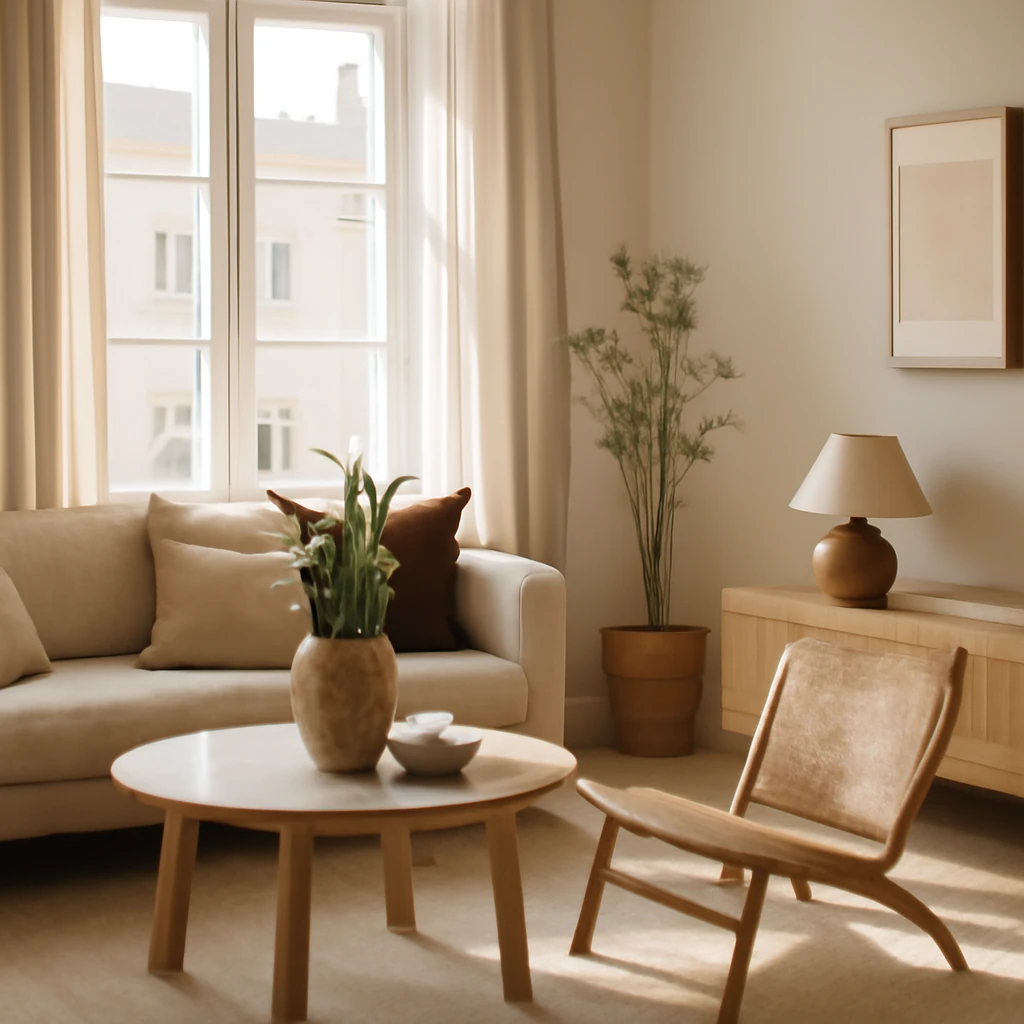
Introductory guide to designing for small spaces
Across continental Europe, the challenge remains the same: how to create an interior that feels generous in a compact footprint. A well-planned layout, thoughtful zoning, and carefully chosen furnishings can make even the smallest dwelling appear larger, more organised and infinitely more comfortable. This guide distills contemporary European practice into practical steps, drawing on proven principles that work in cities from Lisbon to Warsaw, from Milan to Helsinki. It concerns itself with layout, lighting, materials, storage and the subtle art of creating a home that is both friendly to daily life and kind to the eye.
Core principles for interior design in small apartments
Designing for small spaces hinges on four, essential ideas: clarity of plan, continuity of materials, light and air, and flexible furniture. When these are aligned, the space breathes. Here are five reliable rules to guide every decision you make in a compact home:
- Visual expansion through colour, floor, and reflectivity. Gentle, light-toned palettes, a continuous floor across zones (with careful zoning only where necessary), and reflective surfaces help bounce light and visualise space. Avoid heavy prints and oversized curtains that block daylight from entering rooms.
- Ergonomic, elevated furniture. Choose pieces with slim legs or open legs, so as to reveal more floor area. A sofa on legs, a dining table with a clear underfoot, and storage that sits neatly against walls contribute to a feeling of openness.
- Subtle zoning with light, tactile partitions. Where walls are needed, prefer low dividers, glass screens, or shelving that delineates spaces without creating a closed-off atmosphere.
- Maximise usable space with smart storage. Integrate loft storage above kitchens or work zones, invest in under-bed or under-sofa drawers, and use multi-functional furniture that serves more than one purpose.
- Choose modular, adaptable furniture. Flexible seating, convertibles, and compact desks that fold away help keep daily life organised while preserving room for living and movement.
These guidelines are timeless, but the specifics shift with location and climate. In cities with long winters, for example, you might prioritise daylight maximisation and heat retention, while in locales with gentler temperatures, the focus could lean more towards ventilation and outdoor living connections. The European approach champions practicality without sacrificing warmth or personality.
Layout options for small European homes
Below are common configurations found in European living, with practical design considerations for each. The aim is to create flexible layouts that accommodate daily routines while staying aesthetically cohesive.
Studio - 15–30 sq m
Characteristics: a single, open space that combines living, sleeping and cooking functions. Typically, there is one primary window to admit daylight, and the challenge is to organise zones without creating a sense of clutter.
A successful studio uses a restrained, cohesive palette to unify the room. Consider warm, tactile materials for comfort, but keep surfaces light and legible. A low-profile sofa or a modular suite can anchor the living area, while a compact kitchenette with integrated appliances preserves precious floor space. The sleeping area can be softly defined with a screen or a bed placed on a slightly raised platform to give the impression of a separate zone without heavy partitioning.
Practical furniture ideas for a studio include a linear sofa with a concealed storage chaise, a dining table that doubles as a work desk, and wall-mounted shelving that rises to the ceiling to keep the floor clear. A narrow, extendable dining table can function as a workspace when needed and shrink to a slim footprint when not in use. Mirrors, carefully placed, multiply light and reflect the room’s depth, while a light, warm colour scheme keeps the mood uplifting rather than austere.
Elements to consider in a studio concept
- Use a cohesive, light colour palette across walls, floor and ceiling to avoid visual fragmentation.
- Choose a modular sofa with a bed function or a sofa that converts to a sleeping area for guests.
- Incorporate a compact dining solution with an extendable mechanism or a wall-mounted drop-leaf table.
- Install floor-to-ceiling storage along one wall to maintain clear living zones.
In practice, an elegantly designed studio might feature a warm terracotta accent in the sleeping zone, with the remainder of the space in light greys and whites. The goal is to define zones by form and colour, not by walls, so the space remains visually uninterrupted and easy to navigate.
One-bedroom - 30–45 sq m
This layout offers an enclosed sleeping area while keeping the living and dining space within a shared footprint. The challenge is to create a sense of privacy without sacrificing openness.
In European practice, a well-conceived one-bedroom often places the living area adjacent to the kitchen, with the bedroom tucked at the far end or separated by a lightweight partition. The key is to ensure circulation is fluid and the bedroom remains a peaceful retreat with minimal sightlines from the living zone.
Furniture strategy should emphasise multi-functionality: a sofa that doubles as a guest bed, a coffee table with integrated storage, a dining table that can be extended for guests, and a wardrobe or dresser that doubles as a room partition. Lighting should be layered to allow soft ambience in the evening and clarity for work during the day.
Compact two-room apartments - 35–45 sq m (Euro-style)
In many European cities, compact two-room apartments are popular because they offer a separate bedroom while maintaining a generous, connected common area. The defining feature is an integrated living-kitchen zone that serves as the social hub, with the bedroom providing true privacy. Sound management becomes important, consider sound-absorbing materials or a light-hand partition to maintain acoustic separation without creating a sense of confinement.
Finishes in a compact two-room apartment should be calm and soothing, with a restrained accent palette to keep the space feeling airy. The living zone can accommodate a comfortable sofa, a compact media area, and a dining nook. The kitchen, ideally, includes vertical storage to minimise footprint. A well-placed rug can ground zones and add warmth, while mirrors reflect daylight and broaden the perception of space.
In practice, such a layout might pair a near-wall sofa with a low, transparent screen to define the sleeping area. A bed with a light frame or a compact divan with a hidden storage drawer contributes to a tidy, uncluttered feel. Always consider traffic flow: ensure there is a clear path from entrance to the primary living area and to the bedroom without obstacle.
Strategic zoning in small spaces
Effective zoning starts with a plan. Before choosing furniture, sketch how you use each area: where you eat, where you work, where you relax, and where you sleep. The aim is to locate functions in a way that minimises cross-traffic and keeps each zone visually legible.
Small spaces thrive on light, transparency and tactility. Avoid heavy, opaque walls where possible. Instead, use low partitions, glass, or open shelving to separate zones while preserving a sense of continuity. Elements such as a slim bar counter can serve as a casual dining area and a corridor screen, without reducing the sense of breadth.
Conscious storage strategies make a big difference. Consider loft storage above the kitchen, a bed with built-in drawers or a sofa bed with a deep storage compartment. When storage is integrated into furniture, you reclaim precious floor space and maintain a calm, uncluttered atmosphere. The best European examples demonstrate how integrated systems - wardrobes, pantries, and shelving - create a seamless, unified look that feels intentionally curated rather than cramped.
Dividing space with partitions and architectural details
The most elegant small spaces use partitions to carve out zones without severing the sense of openness. Consider the following flexible strategies:
- Bar counters that double as dining surfaces or work desks.
- Low platforms or partial-height walls to create a bedroom niche without enclosing it completely.
- Decorative screens or slim bookcases that act as room dividers while providing storage.
- Glass screens or translucent panels to preserve light while offering visual separation.
- Dividing screens that also function as art or display surfaces.
In practice, a compact living space might feature a long, slim shelf that steps up to become a platform for a resting zone. The shelf becomes both a partition and a display area, keeping the room airy and cohesive.
Finish choices: materials and coatings for clarity
The finish strategy in small spaces should promote unity and light. Consider these guidelines for European homes:
Flooring as a unifying element
Choose a single flooring type across the main living areas, with appropriate variations only in wet zones. A light timber or neutral stone-look tile can visually extend the space, while a herringbone pattern or diagonal lay can add subtle energy without overwhelming the room. In wet areas, select a floor that resists moisture and is easy to clean, with grout tones that harmonise with the surrounding surface.
Walls in pale tones
Walls in pale, cool neutrals are a reliable foundation for small spaces. Subtle textures - such as a fine plaster or a barely-there wallpaper with a tiny pattern - add interest without visually reducing the room. A wall painted in a slightly warmer white or a soft grey-blue can visually expand the room while staying contemporary and calm. When sections of a wall are painted in a gentle accent colour, ensure it does not interrupt the continuity of the scheme across adjacent rooms.
Ceiling treatment
A consistent, light ceiling tone helps to raise the perceived height of a room. If ceilings are particularly low, keep them white or nearly white to maintain a clean horizon line. A flat, smooth ceiling reflects light evenly and supports a brighter ambience throughout the day.
When describing a kitchen-dining-living area, designers often emphasise the continuity of materials between the floor and the countertops and cabinetry to strengthen the sense of flow. This approach reduces visual clutter and makes the entire space feel larger and more integrated.
Furniture and storage: making two-in-one pieces work
With limited square metres, furniture must perform more than one duty. Here are practical options that frequently appear in European small-space projects:
- Extendable dining tables or tables that tuck neatly away when not in use.
- Sofas that convert into beds, or sofa beds with efficient mattress systems.
- Storage-driven shelving units that also serve as room dividers or desk supports.
- Mobile units on wheels to reconfigure a room quickly for different activities.
- Nesting coffee tables that slot together and slide aside when extra surface area is needed.
Avoid oversized, heavy furniture that dominates the room. Instead, harness light forms and slender silhouettes. A well-chosen coffee table with storage capability, for example, can act as a social hub while providing a practical surface for laptops, books and breakfast.
Wardrobes, closets and concealed storage
Built-in or integrated storage is a cornerstone of successful small-space living. A wardrobe that runs from floor to ceiling creates a clean line along the wall, minimising visual breaks. If a fully bespoke fit is cost-prohibitive, opt for high, modular wardrobes with adjustable shelves. When possible, design wardrobes to sit flush with the wall and use sliding doors to avoid door clearance issues.
In kitchens and bathrooms, consider tall pantry units and tall cabinetry to keep surfaces uncluttered. In bedrooms, a wardrobe that includes a shallow drawer system keeps everyday items within reach while preserving the room's calm aesthetic.
Colour palettes and lighting strategies
Colour and lighting are often the decisive factors in how large a space feels. A cool, light base with warmer accents can balance airiness and comfort. A few practical notes:
- Cool neutrals such as soft greys, off-white and pale taupe promote a sense of openness, while small, carefully chosen bursts of colour bring personality without overwhelming the space.
- Soft textiles in 2–3 tones add depth without creating visual noise. Keep textures varied - linen, wool, velvet - so the space feels tactile and alive.
- Natural daylight is the main amplifier of space. Position seating to take advantage of daylight, and use light-coloured blinds or sheer curtains to control glare without blocking light.
- Layered lighting is essential: combine general ceiling light, task lighting near work zones, and decorative lighting to sculpt mood and highlight architectural details.
In the European context, lighting is more than illumination, it is an architecture of atmosphere. A well-lit room can transform a compact footprint into a welcoming, multifunctional home that feels both intimate and expansive.
Choosing a design style that suits small spaces
Not every design language translates well to a constrained footprint. Some styles embrace simplicity and order, while others thrive on the juxtaposition of forms. Here are four styles that consistently perform in small European homes:
Minimalism
Minimalism is less about cold sterility and more about clarity, function and restraint. Key characteristics include:
- Practicality and function as primary criteria for every object.
- Natural materials that age gracefully and stay readable in a small space.
- Emphasis on form and texture rather than ornamentation.
- Monochrome or restrained colour palettes that unify spaces and reduce visual clutter.
- Limited decor to preserve air and movement within the room.
Minimalism in a European home often translates into serene, well-proportioned spaces with high-quality materials and a thoughtful balance of light and shadow.
Scandinavian
The Scandinavian aesthetic continues to resonate for small spaces due to its emphasis on light, warmth and practicality. Core traits include:
- Bright, natural palettes with gentle undertones of blue, green or grey.
- Affordable, durable materials that hold up under daily use.
- Functional furniture with clean lines and clever storage.
- Moderate decoration that adds character without crowding the room.
In practice, a Scandinavian-influenced small flat foregrounds timber textures, soft textiles, and minimal artisanal details that enhance cosiness and life without sacrificing legibility.
Loft-inspired, with a soft industrial edge
Loft-inspired interiors translate particularly well to European city living, where many homes feature generous ceilings and exposed structural elements. The look is tempered for small spaces by limiting heavy fixtures and balancing metal with natural wood, using open shelving and transparent partitions to preserve air and light.
Eclectic restraint
Eclectic design allows mixing different eras and pieces, but in a compact setting restraint is essential. Use a neutral backbone and inject personality with a few high-impact items, remembered as focal points rather than overwhelming the room with curations. This approach keeps a small apartment feeling curated and thoughtful rather than cluttered.
Designing interiors for specific European rooms
Even in compact homes, the main rooms deserve thoughtful planning. Here is a practical guide for each space:
Kitchen - functional and generous within limits
A small kitchen should feel organised and generous through careful zoning and smart storage. Consider full-height cabinetry to maximise interior capacity, integrated appliances to preserve clean lines, and under-cabinet lighting to enhance work surfaces. If space allows, open shelving above the countertop can make the room feel brighter and more expansive, while keeping frequently used items within easy reach. For extra flexibility, a compact island or a peninsula can act as a casual dining area and a work surface without obstructing movement.
- Pull-out organisers and corner units to utilise every inch of space.
- Deep drawers with soft-close mechanisms for a tidy look.
- A cohesive colour and material story that extends into the living area for a seamless flow.
Living room - calm, uncluttered, and adaptable
The living area should be a hub for activity, with a focus on seating comfort, daylight, and storage alignment. Opt for a sofa with comfortable depth, a compact coffee table (or a nesting set for flexibility), and a media zone that can be reconfigured as needed. Use floating shelves or wall-mounted units to keep the floor clear and maintain a sense of airiness. A neutral base with one or two intentional colour accents often works best in small spaces, providing depth without crowding the eyes.
Bedroom - privacy without isolation
In a compact two-room or studio dwelling, the bedroom should feel like a retreat. Consider a bed with a low profile and built-in storage to reduce bulky furniture. If separation is required, a light screen, a curtain, or a glass partition can provide the needed privacy without stopping light from circulating. In all cases, ensure that the bedroom remains quiet and visually calm, with soft textures and controlled lighting for a restful atmosphere.
Children’s zones - safety and room to grow
In family-friendly small homes, design for safety and versatility. Rounded corners, storage integrated into furniture, and solid, easy-to-clean materials are important. Use vibrant, age-appropriate colours and play-friendly textiles to create a stimulating environment while maintaining a balanced overall scheme.
Work area - near daylight, with good ergonomics
A dedicated workspace near a window supports daylight usage and reduces glare for screen work. The setup should be compact yet ergonomic, with a chair of appropriate height and a desk that can be tucked away when not in use. A wall-mounted task light keeps the space clean, minimising desk clutter while providing focused illumination for productivity.
Bathroom - efficiency and comfort
Bathrooms in European small homes are often efficient, combining a shower, wc and basin in a compact footprint. A well-planned layout minimises movement and maximises storage. Consider a vanity with drawers or a medicine cabinet that integrates with the plumbing wall to save space. Light, moisture-resistant finishes, and well-planned lighting create a sense of cleanliness and calm. If possible, separate wet and dry zones with a shallow lip or a glass partition to keep the space feeling open while containing moisture and heat.
Common mistakes to avoid
- Overloading the floor with furniture. Choose pieces that serve multiple roles and keep pathways clear.
- Blocking natural light with heavy drapery or tall furniture. Prioritise sheer or minimal window coverings that preserve daylight.
- Choosing bulky, heavy-scale pieces. Select lightweight, modular forms that can be reconfigured as life changes.
- Neglecting lighting layers. A single ceiling light rarely suffices, layered lighting is essential to create depth and function.
Even small homes benefit from a measured, iterative design process. Start with a core layout, test it in practice for a few weeks, and refine with what you learn about daily life and movement through the space.
Case study flavour: real European small-apartment practices
Across Europe, practitioners demonstrate how compact spaces can be both efficient and inviting. Consider a series of urban flats where designers prioritised natural light, continuous flooring, and carefully chosen, multipurpose furniture. In each scenario, the living areas function as social hubs, the sleeping zones offer privacy, and storage is integrated into walls, furniture or architectural niches. The overarching lesson is clear: when space is scarce, the definition of a home expands through purposeful planning, intelligent materials, and a confident, coherent aesthetic.
What to remember when redesigning a small space
- Plan zone-by-zone, not room-by-room. Define where you eat, sleep, work and relax, and ensure each zone supports its function without impeding movement.
- Let light lead the design. Maximise daylight access and layer artificial lighting to build mood and utility across the day.
- Choose furniture that is compact, multi-functional and mobile. This enables daily life to adapt without clutter.
With thoughtful planning, a compact apartment can feel generous, coherent and welcoming. The European approach to small-space design blends practicality with warmth - creating homes that honour both daily life and personal expression.
You may also like these articles
 Bathroom Design
Tiles for the Bathroom in 2025: Trends Shaping European Interiors
Discover the 2025 bathroom tile trends that blend texture, tone and sustainability.
Small Spaces
A 49 m² European Home: Neoclassical Calm, Clever Zoning and Hidden Storage
Clever zoning transforms a 49 m² European apartment into warm, functional living.
Kitchen Design
Softer than steel: mastering the grey‑blue kitchen across Europe
A refined guide to grey-blue kitchens for European homes, balancing cool elegance with warmth.