
Explore interior trends, AI design insights, styling guides and real transformations
Ten bathroom plants for a lush tropical vibe across Europe
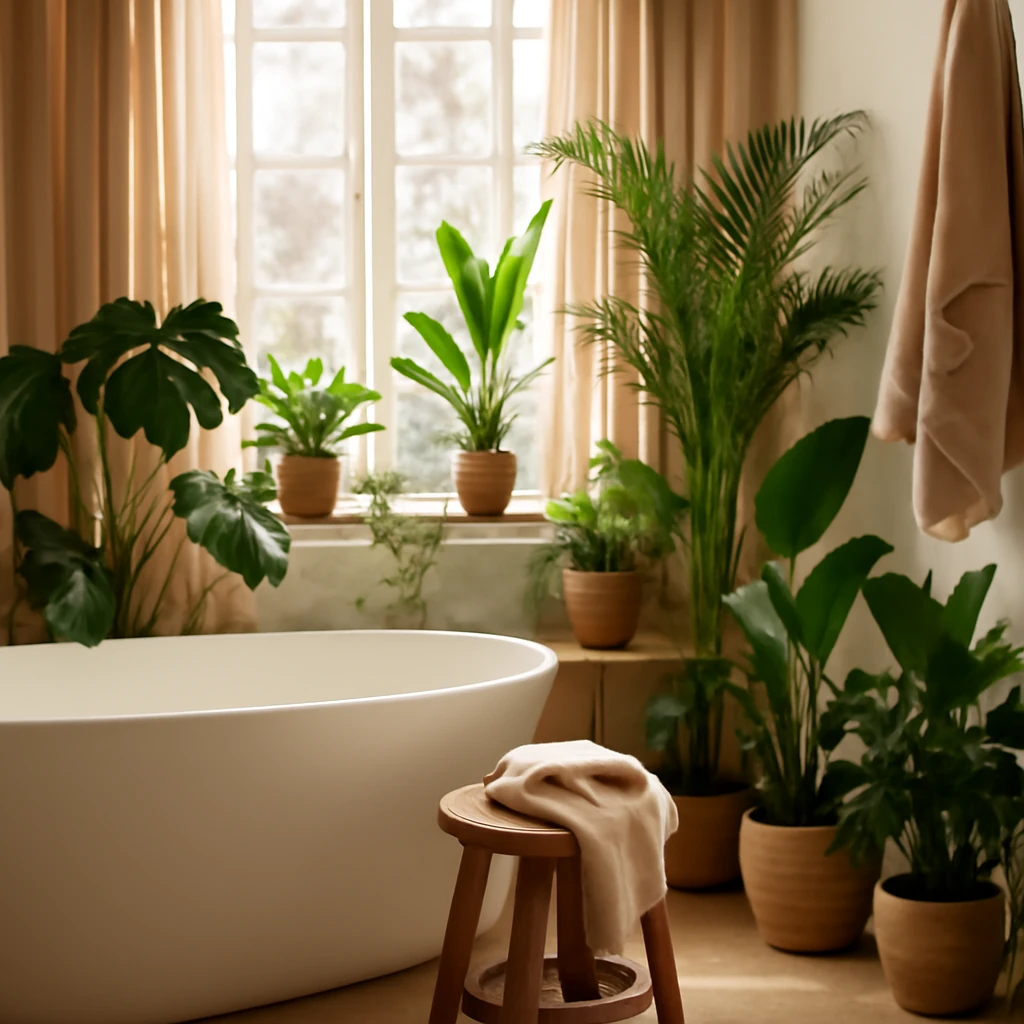
Introduction: the bathroom as a microclimate
Across Europe, bathrooms present a distinctive microclimate: high humidity, variable daylight, and often limited ventilation. This combination can challenge traditional houseplants, but it also creates ideal conditions for a select group of species. With a thoughtful plant palette and a few simple routines, you can transform a functional space into a soothing, green retreat that improves air quality, softens hard surfaces and adds colour and texture to your daily rituals. The ten plants below are among the most reliable for bathrooms - whether you have a sun-filled window, a bright skylight, or a windowless recess illuminated by artificial daylight. Each species is discussed with practical guidelines tailored to European homes, emphasising light, water, temperature and general care.
Before selecting varieties, consider the room’s core needs: how much light it receives during the day, how warm or cool the space tends to be, and how consistently humid the environment stays. In many European bathrooms, you will benefit from combining a few compact, bright options with one or two larger, statement plants that can tolerate more shade or higher humidity. Use this mix to create micro-habitats that feel lush without overwhelming the space.
To succeed, plan for containers that provide good drainage, consider wall-mounted or shelf-based display to utilise vertical space, and think about how artificial lighting can supplement natural light, especially in seasonal mid-winter months. The following ten plants are particularly well-suited to bathrooms because they thrive in moist air, tolerate cool or warm temperatures, and depend less on intense sunlight than many common houseplants.
Dracaena sanderiana (lucky bamboo)
Dracaena sanderiana, widely known as lucky bamboo, is celebrated for its sculptural simplicity. In bathroom settings it works equally well in a water-filled vase or potted in moist, well-drained soil. The plant’s strength lies in its tolerance for humidity and warmth, paired with a preference for indirect light. In a busy European bathroom, lucky bamboo can remain visually striking even when positioned away from a direct light source, making it an excellent focal point on a vanity or a free-standing surface. However, because bamboo grows quickly, ensure there is enough space to accommodate its potential height and girth over time.
- Light: bright indirect light or light shade, avoids direct sun that can scorch leaves.
- Watering: as a water-filled specimen, refresh the reservoir every couple of weeks, in soil, keep the top inch of soil evenly moist but not waterlogged.
- Humidity/Temperature: thrives in humidity and temperatures around 18–26°C.
- Care tips: trim leggy canes if needed, replace water periodically to prevent cloudy reservoirs, ensure good drainage if potted in soil.
Sansevieria (snake plant)
Sansevieria, or snake plant, is a stalwart of resilient indoor greenery. Its architectural form is the perfect counterpoint to sleek European bathrooms, and it tolerates a wide spectrum of light, from deep shade to bright indirect light. In bathrooms, it is forgiving of irregular watering and can help balance humidity fluctuations. It can be grown upright in a pot or allowed to trail slightly from a shelf. Because the plant stores water in its thick leaves, it generally needs less frequent watering than many other species, which makes it ideal for busy households.
- Light: low to bright indirect light, variegated forms still thrive with modest light.
- Watering: allow the soil to dry between waterings, reduce watering in winter.
- Humidity/Temperature: comfortable 16–24°C, tolerant of high humidity.
- Potting: use a well-draining mix, repot only when roots fill the pot.
Chlorophytum comosum (spider plant)
One of the most forgiving and versatile trailing plants, the spider plant is a true workhorse for bathroom greenery. Its arching leaves radiate a light, airy vibe, and it produces baby plantlets that can be propagated with ease. In a bathroom, spider plants reward bright indirect light and appreciate the humidity, making them ideal for shelves, tall cabinets, or hanging baskets where their fronds can cascade gracefully. They perform well in windowsills as long as direct sun is shaded, which protects variegated leaves from scorch.
- Light: bright indirect light, tolerant of lower light if kept longer in the growing season.
- Watering: keep soil lightly moist during the growing season, reduce in cooler months.
- Humidity/Temperature: enjoys humidity, ideal range 18–24°C.
- Care tips: trim brown tips and propagate new plantlets for fuller displays.
Orchids (Phalaenopsis and Paphiopedilum)
Orchids can be surprisingly well-suited to bathroom life when humidity is steady and light is diffuse. The moth orchid (Phalaenopsis) and the lady’s slipper orchid (Paphiopedilum) adapt to modern interiors with the right conditions: soft, indirect light and consistent warmth. In many European bathrooms, the humidity found near showers and baths creates a favourable microclimate, provided the orchid’s potting medium drains well and does not stay soggy. Position orchids on a vanity, a shelf near a light source, or a window ledge where they receive bright, filtered light rather than harsh sun.
- Light: bright, diffused light, avoid direct sun that can scorch delicate blooms.
- Watering: water when the potting mix feels light, ensure good drainage and allow excess water to drain away.
- Humidity/Temperature: prefer 22–28°C day / 18–22°C night, humidity 50–70% is ideal.
- Care tips: feed with orchid fertiliser every 2–3 weeks during growth, remove spent blooms with care.
Calathea
Calathea varieties are popular for their striking leaf architecture and colours. They demand a reliably warm, humid environment with gentle, indirect light. In bathrooms, Calathea can contribute dramatic colour and pattern - think bold leaf markings and contrasting undersides. Keep the plants away from cold drafts and direct hot air, which can cause leaf edge browning. Use soft water to avoid mineral deposits on the leaf margins, and maintain high humidity to keep the foliage at its best.
- Light: medium to low indirect light, avoid strong direct sun.
- Watering: keep the soil consistently moist but not waterlogged, soft water preferred.
- Humidity/Temperature: thrives in 60–90% humidity, 18–24°C is comfortable.
- Care tips: wipe leaves lightly to remove dust, protect from sudden temperature changes.
Philodendron
Philodendrons offer a diverse range of forms, from compact, heart-shaped leaves to trailing climbers. In a bathroom, they excel where humidity is stable and light is moderate. They are well suited to creating a green wall or cascading from an upper shelf. Choose varieties that suit your space, and provide a sturdy support if you opt for a climbing type. Philodendrons are robust, but they still benefit from regular misting and a soil mixture that remains evenly moist without becoming saturated.
- Light: medium indirect light, tolerates shade well.
- Watering: keep soil evenly moist, allow the top layer to dry slightly between waterings.
- Humidity/Temperature: thrives in 18–26°C with higher humidity.
- Care tips: support climbing varieties with a trellis or stake, prune to control size and encourage bushier growth.
Pothos (Epipremnum aureum)
Pothos is renowned for its resilience and forgiving nature, making it a superb starter plant for bathrooms. Its trailing vines add a sense of movement to shelves and walls, and the plant doubles as an effective air purifier. In bathrooms, provide a little indirect light to maintain variegation, and avoid over-watering. Pothos adapts well to both soil and water culture, meaning you can tailor its display to the available space and plumbing layout.
- Light: low to bright indirect light, variegated varieties need some light to retain colour.
- Watering: water when the top inch of soil dries, avoid soggy conditions.
- Humidity/Temperature: comfortable 18–25°C, appreciates humidity.
- Care tips: prune regularly to control length and encourage lush growth, keep leaves clean to maximise photosynthesis.
Nephrolepis exaltata (Boston fern)
The Boston fern is particularly well-suited to bathroom life, thriving in a humid, sheltered environment with bright indirect light. It benefits from regular misting and a consistently moist rooting medium. Dry, heated air - especially near vents or radiators - will stress the plant, so provide a microclimate with stable moisture. In windowed bathrooms the fern shines as a soft, cascading feature, in darker spaces pair it with a brighter partner to balance the composition.
- Light: bright indirect light, tolerant of shade but performs best with more light.
- Watering: keep soil consistently moist, avoid letting it dry out.
- Humidity/Temperature: ideal at 18–24°C with high humidity.
- Care tips: remove spent fronds, repot when roots become crowded, monitor for brown tips that indicate low humidity or mineral buildup.
Monstera deliciosa
Monstera deliciosa is a statement plant thanks to its iconic perforated leaves and dramatic form. It loves warmth and a relatively humid atmosphere, dry air will dull its vitality. In larger bathrooms, Monsteras perform best with bright, indirect light, though they can adapt to moderate light if space allows for slower growth. Support the plant with a moss pole or a sturdy trellis as it matures, enabling a strong vertical statement that pairs beautifully with other greens.
- Light: bright indirect light, tolerates lower light in bigger spaces, though growth slows.
- Watering: keep soil evenly moist but never waterlogged, allow top layer to dry slightly between waterings.
- Humidity/Temperature: thrives at 20–25°C, prefers humidity around 60–70%.
- Care tips: wipe leaves to remove dust, prune to control size, and provide vertical support for climbing growth.
Cyperus alternifolius (umbrella papyrus)
Umbrella papyrus is a dramatic choice for bathrooms, especially when you want a plant with architectural presence. Originating from damp, marshy habitats, it enjoys constant moisture and good light. In cooler, windowless European bathrooms, position it near a source of bright artificial daylight to sustain its lush look. It can be grown in a pot with saturated soil or in a watertight container with a reservoir, which makes it adaptable to a range of plumbing layouts. Temperature should not fall below 16°C for extended periods.
- Light: bright indirect light or proximity to artificial daylight.
- Watering: keep soil constantly moist, in water, refresh regularly and keep the reservoir clean.
- Humidity/Temperature: enjoys high humidity, typical range 18–24°C.
- Care tips: trim occasionally to maintain a tidy, compact form, ensure the container provides good drainage.
Practical design tips for a European bathroom jungle
To maximise the impact of tropical foliage in compact spaces, consider these practical strategies that work across European homes:
- Vertical display: utilise floating shelves, wall planters and tall stand-alone displays to create multiple layers of greenery. A staggered arrangement guides the eye and increases perceived space.
- Materials and tones: pair lush greens with natural materials such as stone, ceramic and pale timber. Neutral backdrops allow the leaves to stand out and prevent the room from feeling crowded.
- Drainage and pots: choose pots with drainage holes or sealed planters with a reservoir. In windowless baths, consider self-watering pots or planters that incorporate a water reservoir.
- Lighting strategy: in darker bathrooms, supplement natural light with full-spectrum LED lighting that mimics daylight (around 6,500K). Place lights above or near the plants to ensure even coverage without creating hot spots.
- Group care: cluster plants to create micro-habitats with shared humidity. A shallow tray with decorative stones and water can help maintain ambient moisture around a compact planting area.
- Maintenance routine: wipe leaves to remove mineral dust from hard water and soap residues. Create a simple weekly or bi-weekly routine - misting, light pruning and checking soil moisture.
Choosing the right mix for your bathroom
Every European bathroom has its own rhythm of light and heat. Start with two or three robust varieties that tolerate your space’s light and humidity, then expand as you feel more confident in plant care. For windowed rooms, consider adding a climbing Philodendron or a Monstera on a tall support, with a Spider plant on a shelf nearby to create a varied textural palette. Windowless or low-light baths respond well to snake plants, lucky bamboo grown in water, and an umbrella papyrus placed near a bright artificial light source to maintain vibrancy. Remember to adapt watering schedules seasonally: bathrooms often feel drier in winter when central heating runs more and humidity drops, while humid summers can sustain plants with less supplementary moisture.
Beyond aesthetics, the plants contribute to a calmer atmosphere and can subtly improve air quality. A well-planned bathroom jungle is not merely decorative, it is a functional, living system that enhances comfort, wellbeing and the sense of space.
You may also like these articles
 Lighting
Lighting the Threshold: Modern Hallway Design for European Homes
Smart, layered hallway lighting ideas tailored for European homes.
Tips & How-To
New Year Decor for European Homes: Budget-Smart, Stylish Ideas
Timeless, budget-smart festive ideas to transform any room this New Year.
Small Spaces
Designing the hallway: practical strategies for European apartments
Transform hallways into bright, organised, design-forward spaces.