
Explore interior trends, AI design insights, styling guides and real transformations
10 Essential Habits for a Calm and Organised Wardrobe
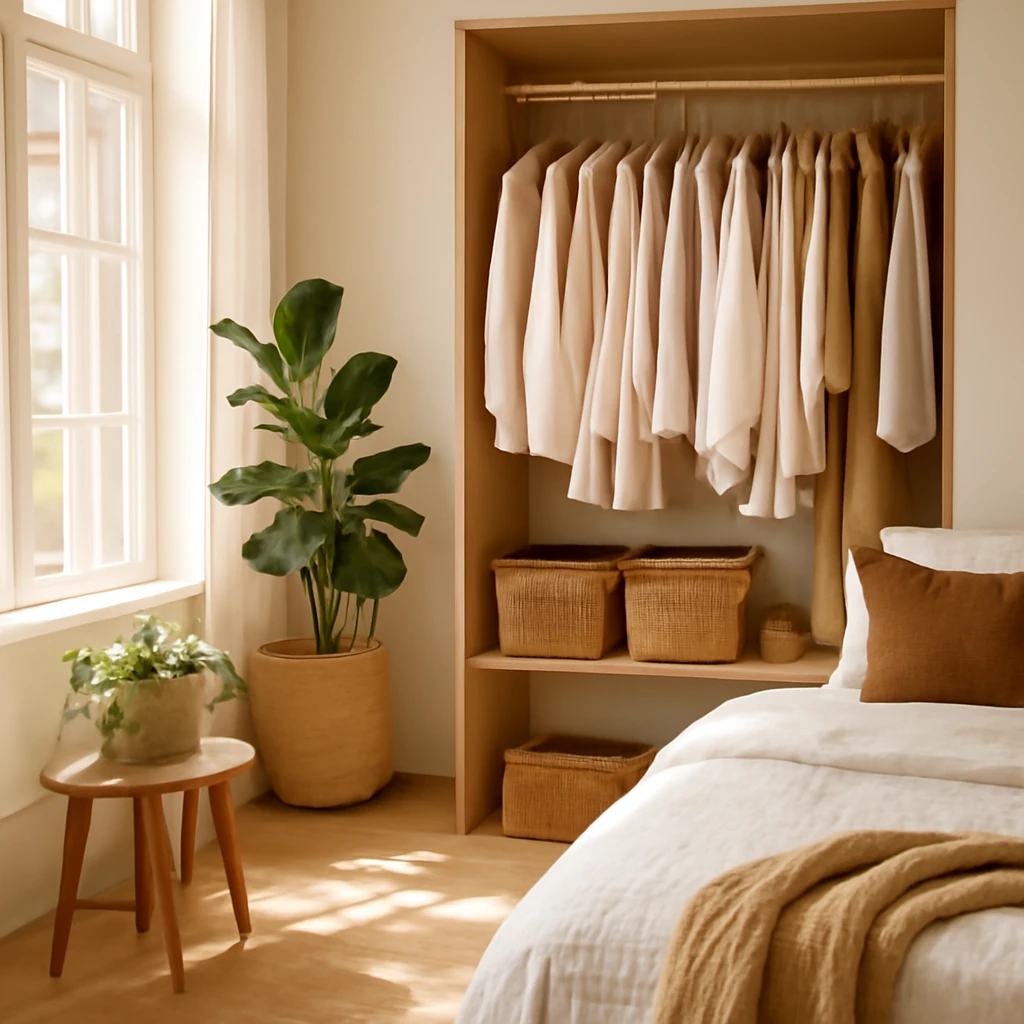
1. Store where you use it
The golden rule of organisation is simple: group items by how you use them, and place them close to where they are most often needed. The principle saves time, reduces decision fatigue, and makes daily routines smoother. In European homes, this often means distributing zones within the wardrobe and adjacent spaces to mirror daily habits.
- Towels belong in the bathroom or bath area so you can reach them immediately after a shower.
- Bed linen is best kept by complete sets in a dedicated linen storage area or the deepest part of a wardrobe so you can fetch a matching set without digging.
- Everyday underwear and socks can live in a bedroom wardrobe or a small dresser near the dressing area for quick access, while outerwear stays in the hall or entry zone for easy reach on departure.
Consider how your daily routines shape storage: if you leave the house in a particular outfit, store related garments nearby, if you tend to change plans frequently, create flexible zones that can adapt to different activities. The aim is to make order feel natural and effortless, not forced.
Tip: Seasonal items can live in a separate zone or clear tote near the back of the wardrobe, ready to be rotated in and out as needed.
2. Don’t store things for a “rainy day”
Many of us hang on to items “for later” or because of nostalgia. Yet such items tend to accumulate, crowd out the things you actively use, and complicate daily life. Before keeping something indefinitely, ask two questions: when will this be used, and how likely is that to happen?
If the answer is uncertain or the probability is low, it’s time to rehome, repurpose, or release. Your space should serve you in the present, not the if-only future. Removing clutter creates room for items that genuinely support your lifestyle and make you feel confident and comfortable.
Let go of the urge to preserve every piece of fashion history. When you shed old items, you invite space for new, thoughtfully chosen pieces that reflect your current taste and living needs.
Remember, fashion and life change. As wardrobes shrink or expand, your storage approach should adapt accordingly, so your closet remains energising rather than exhausting.
3. Seasonal storage
Seasonal rotation is a practical strategy for many European homes, particularly in apartments with modest wardrobe space. Even in larger walk-in closets, seasonal storage helps you surface the right clothing at the right time and keeps the current set visually accessible.
During the switch between seasons, evaluate every item you own. If something no longer fits, feels uncomfortable, or no longer suits your style, let it go. Use clearly labelled boxes, crates or organisers to separate out-of-season pieces. When you return to the season, you’ll know precisely what you have and where it is.
Labelled containers save time and reduce rummaging. It is worth investing in transparent or clearly marked boxes so you can see contents at a glance. A well-managed seasonal rotation also makes it easier to maintain a cohesive wardrobe under everyday conditions.
4. Respect your habits and personal quirks
Every person has a unique approach to storage. Some people prefer hanging everything, others enjoy folding and stacking. The key is to design storage that aligns with your habits, not against them. If you reach for items on a hanger rather than folded on a shelf, prioritise hanging space for those garments. If you like to fold and stack, create deep shelves with adequate dividers and organisers.
Observe how you behave on a typical day. Do you tend to pile things on a chair or surface when you’re tired? If so, invest in a practical catch-all landing zone away from the bedroom to keep such items out of sight but easy to reach. The most successful storage plans are the ones that feel intuitive and flexible, not restrictive.
For instance, if you tend to wear different outfits for work and leisure, design sections in the wardrobe that reflect those routines. If you travel often, a small, dedicated capsule wardrobe area can simplify packing and daily decisions.
5. Choose hangers carefully
The right hangers can dramatically improve garment longevity and the overall look of a wardrobe. Not all clothes require the same hanger, and a thoughtful selection can prevent shoulder bumps and fabric stretching.
Consider the following guidelines:
- Use sturdy hangers for heavy items such as coats and tailored jackets.
- For delicate fabrics, opt for soft, non-snag materials like velvet or silicone-coated hangers.
- Use dedicated trouser hangers for trousers to avoid creases along the fold line.
- For skirts, choose hangers with clamps or clips that distribute weight evenly without leaving marks.
Uniform hanger colour and direction create a clean, calm visual field. All hangers facing the same way reduces visual noise, even if the wardrobe includes a variety of colours and fabrics. Remember: one outfit per hanger, and avoid crowding a single hanger with multiple layers of clothing, which can cause deformation and make items harder to find.
6. Hanging systems with intention
A well-considered hanging system speeds up getting dressed and reduces decision fatigue. There are several reliable approaches that work for European homes and diverse lifestyles:
- From short to long: arrange garments in order of sleeve length or overall length. Short items finish with the longest pieces toward the back, creating extra space for accessories, bags, and shoes in the visible area.
- From light to dark: organise by colour within each section to create an instant visual cue and make it easier to assemble an outfit.
- Capsule wardrobe zones: dedicate sections for different life contexts (workwear, casual, formal, sport). If you wear business attire on weekdays and relaxed wear on weekends, capsule zones simplify outfit selection and reduce clutter.
Adapt these principles to your available space. In compact homes, you may integrate a longer hanging rail with a shallow depth to accommodate coats and dresses while maintaining a tidy silhouette. In larger rooms, consider tiered hanging solutions or double rails to maximise capacity without bulk.
7. Vertical storage for compact efficiency
Vertical storage is a powerful strategy for keeping clothes visible and accessible while conserving floor space. Folded items placed upright in drawers or on shelves behave like file folders, making it easy to locate items without disturbing the rest of the stack.
Practical applications include:
- Stow knitwear, T-shirts and light jumpers in deep drawers with dividers, arranged vertically rather than stacked horizontally.
- Use narrow, high organisers on shelves to create multiple levels of storage without increasing depth.
- In rooms with limited hanging space, tilt towards vertical storage for casual and seasonal items, keeping heavy pieces on rails and lighter pieces on shelves.
Vertical storage also enhances visibility: you can see every item at a glance, which speeds up dressing and reduces the chance of forgotten pieces lingering at the back of a shelf.
8. A neat edge
Folding clothes to create a neat, straight edge is a small but powerful habit. The process is simple, and with practice it becomes automatic. When you fold, tuck seams and slips inward, then align the edge of the stack toward the front. The result is a tidy, magazine-worthy appearance that remains in place with little effort.
This neat edge matters beyond aesthetics. It makes drawers and shelves more navigable, helps you gauge how much space remains, and reduces the tendency to overfill. An orderly edge also makes items easier to identify and retrieve, which sustains the habit of keeping the wardrobe tidy over time.
9. Organisers are your best friends
Organisers come in a wide range of shapes and sizes, from shelf dividers to drawer organisers and small compartment boxes. They are designed to sort items by category, season or function, which makes it easier to maintain order even in deep or awkward spaces.
Benefits of using organisers include:
- They enable vertical storage within shelves and drawers, reducing cross-mixing of items.
- They help you visualise what you have and where it belongs, which speeds up rehoming after laundry or wear.
- Labelled compartments support consistent storage habits across family members, encouraging shared responsibility for keeping spaces tidy.
Choose organisers that fit the depth and height of your shelves. If you have deep wardrobes, consider stackable units, for shallow shelves, opt for slim, modular dividers that can be rearranged as needs evolve. The aim is clarity and accessibility, not clutter.
10. Labeling for lasting order
Labels are more than a convenience, they are a behavioural nudge that helps maintain order in the long term. A simple label system communicates exactly where an item belongs and reduces the chance that family members place things in the wrong place. Labels also support a smoother handover when spaces are shared among several people, such as partners, children, or housemates.
Practical labeling strategies include:
- Label storage boxes with season and contents, such as summer tops – light fabrics or winter woollies – knits.
- Mark shelves and drawers with categories like shirts, trousers, outerwear, and accessories.
- Use durable, legible labels and place them at eye level for maximum readability.
Labeling turns a storage space into a system. It reduces cognitive load, makes maintenance feel approachable, and helps remind everyone in the household to return items to their rightful place after use. If you’re organising a shared home, involve others in the process and establish a routine for tidying up that reinforces the habit.
Putting it all together: designing a wardrobe that respects Europe’s living realities
Across Europe, homes vary from compact city apartments to spacious, converted lofts, but the fundamentals of good wardrobe organisation remain consistent. The key is to design spaces that reflect how you live, rather than forcing a one‑size‑fits‑all approach. Start with a clear assessment of how you use clothes daily, your available space, and your tolerance for maintenance. Then build a modular system that can grow with you: strong rails for heavy coats, ample shelves for folded items, thoughtful hidden storage for seasonal pieces, and an easy-to-understand labeling scheme for the whole family.
In practice, this means creating dedicated zones within or adjacent to the wardrobe: a daily-dresh zone close to the dressing area, a seasonal rotation area, a separate accessories zone, and an entry area for outerwear and footwear. The end result is a wardrobe that feels calm, functional and responsive to your life, rather than a perpetual source of stress.
Finally, remember that design is about balance. Function must drive form, but aesthetics matter too. Choose materials and finishes that harmonise with the rest of your interiors - soft, tactile textures for shelves, timeless hardware, and colours that soothe rather than shout. When organisation feels good to look at and simple to maintain, you’ll be more likely to sustain it, day after day.
In short: small changes - storing near the point of use, letting go of excess, seasonal rotation, habits-aware layouts, appropriate hangers, intentional hanging systems, vertical storage, neat folding edges, practical organisers, and clear labels - add up to a wardrobe that saves time, reduces stress and supports a more considered, enjoyable life at home.
You may also like these articles
 Interior Design
Italian Style Interiors: Warm Mediterranean Elegance for European Homes
Italian-inspired interiors blend warmth with timeless elegance across Europe.
Small Spaces
Six Smart Plans for a 10 m² European Bedroom
Small in size, big on style: six 10 m² bedroom ideas.
Colour & Materials
Decorative plaster: textures, finishes and how to apply
A comprehensive guide to decorative plaster finishes for European homes.