
Explore interior trends, AI design insights, styling guides and real transformations
Timeless Wall Decor Ideas for European Homes
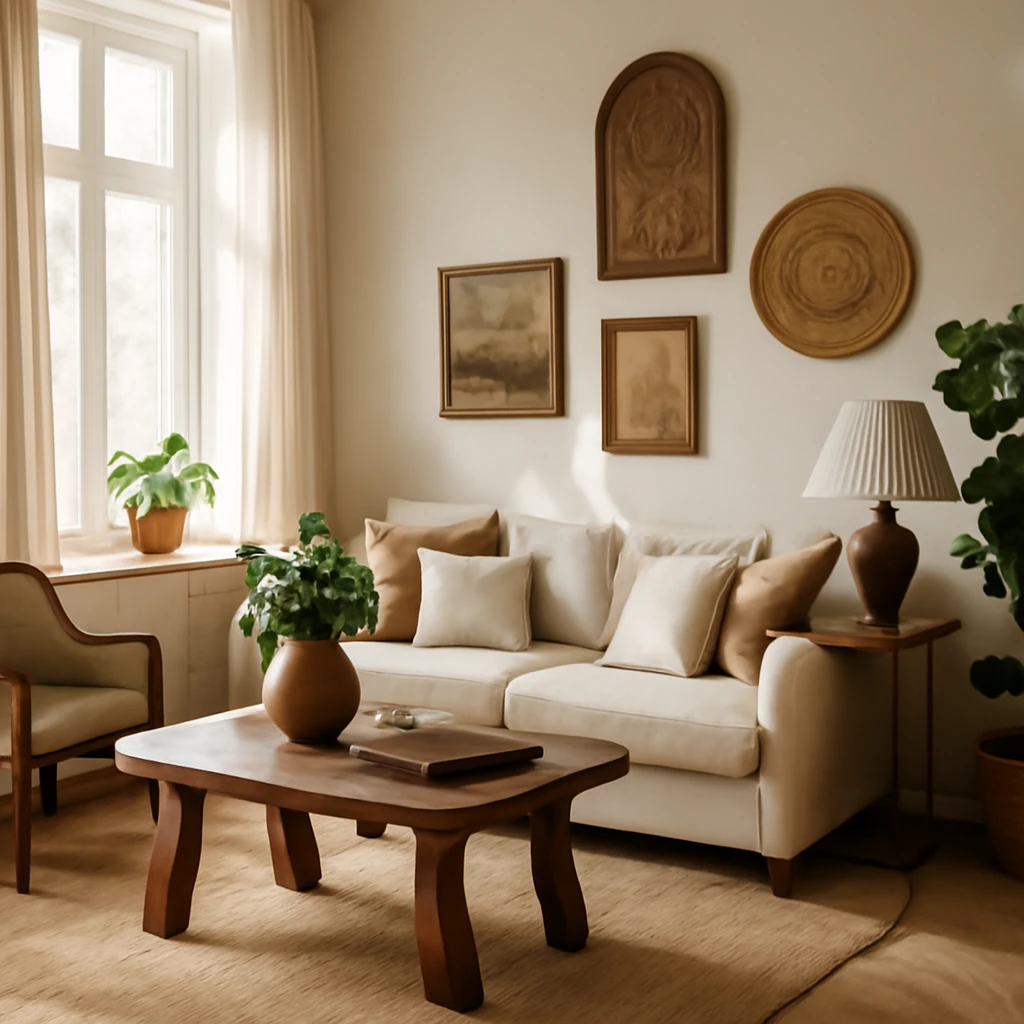
Why wall decor matters in European homes
In European interiors, walls are more than a backdrop. They shape light, acoustics and atmosphere, and they help define a room’s character from compact city flats to generous town houses. A well considered wall treatment can transform a space, making it feel more cohesive, calmer or more expressive depending on the context. Importantly, you do not need to undertake a full renovation to achieve a striking effect. With a clear plan, measured execution and materials chosen for the climate and building type, even modest budgets can yield professional results that endure.
Painted surfaces: fresco inspired techniques for modern spaces
Painting remains one of the most flexible and affordable wall treatments. Fresco inspired techniques connect a modern interior with classical craft, yet the materials today are kinder to residential spaces. Start with a well prepared surface: fill imperfections, sand smooth and apply a primer suitable for plaster or plasterboard. For large walls consider working in sections to control drying times and avoid streaks. When selecting finishes, you can favour matte plasters that mimic natural stone, or go slightly glossy for a contemporary edge.
Traditional fresco techniques require working on damp plaster, which is rarely practical in a typical European flat. A more approachable approach is to use acrylic or limewash to reproduce the look. Limewash provides a breathable, tactile finish that ages well with time, while modern acrylics offer colour permanence and easier maintenance. If you wish to emulate a mural without a large commitment, consider a masked geometric pattern or a restrained colour field painted with soft, archival pigments. Always test on an inconspicuous area and build up layers gradually to avoid over-saturation.
Wallpaper combinations: turning leftovers into statements
Wallpaper is a powerful tool for architecture and mood. Using remnants or offcuts to create a feature wall is a clever and economical strategy, particularly in modern European homes where spaces may limit wall area. Start with a neutral base and patch together small sections to form a cohesive motif. For children spaces, use bright, playful patterns, while for living rooms and bedrooms a calmer palette of pastels or earthy tones can feel more sophisticated.
When planning a wallpaper collage, consider a unifying element such as a shared colour or pattern motif that ties disparate pieces together. If you are unsure about colour balance, refer to a colour wheel or a simplified palette derived from a primary colour and its accents. For ease of application, you can also employ removable vinyl wallpaper panels that align precisely with minimal alignment concerns. These options allow for experimentation without committing to a full wall covering.
Decorative plaster and architectural touches
Decorative plaster and textured surfaces can dramatically change the scale and mood of a room. Consider textured plasters, decorative stucco, or even a thin Venetian plaster finish to create depth. On larger surfaces you can press or embed small objects into the plaster while it is still workable, once dry, these items become permanent features that are both tactile and visually engaging. In a family room or a child’s space, light reliefs such as subtle mouldings or plaster panels offer a refined alternative to paint alone.
Practical tips for European homes include using breathable products in rooms with higher humidity, such as kitchens and bathrooms, and ensuring the substrate is well prepared. When applying decorative plaster to gypsum board or brick, choose products with good adhesion and follow health and safety guidelines. For a contemporary edge, combine plaster with linear, architectural mouldings or create curved niches that house lighting or small objects, turning walls into three dimensional features rather than flat expanses.
Textiles and textured wall coverings
Textile inspired wall coverings and woven textures can introduce warmth and a quiet softness that paints cannot easily achieve. Consider fabric panels, textile wallpapers, or cork-backed textiles for a tactile, comfortable ambience. When using fabric or textile inspired coverings, ensure the backing is breathable and that the installation system accommodates room humidity and temperature swings. In spaces with larger windows or strong daylight, lighter fabrics in natural fibres help maintain balance and reduce glare.
If you prefer a more durable solution, opt for textured wall coverings that mimic linen, wool or felt. These materials provide a colour and texture story that remains sophisticated through seasons. Remember to check fire safety ratings for any fabric based product and seal any seams to avoid fraying over time.
Small decorative elements: stencil patterns, trims and accents
For those who enjoy hands on projects, small decorative touches offer immediate impact with relatively low effort. Stencilling is a reliable route for creating tailored patterns on a budget. You can design your own motif or source a pattern from a reputable stencil library, either as a cut out template or as a self adhesive stencil. When applying paint, secure the stencil with painter tape and work in gentle, steady motions to avoid bleeding.
To keep the look cohesive, limit yourself to one or two motifs per room and pair them with complementary colours. This approach makes the stencil feel purposeful rather than decorative chaos. You can also think about thin trims or decorative cornices, which add architectural interest without major structural work, and can be painted to match or contrast with the surrounding walls.
Stencil projects
Begin with a simple motif, such as a border along a ceiling line or a single focal panel on a feature wall. If you are comfortable with more ambitious patterns, scale up to a large mural or a repeating motif grid that covers substantial wall space. When cutting stencils, use a sharp blade and test on a scrap surface first. If you prefer a refined finish, consider using a roller or sponge technique to keep the texture uniform across the pattern.
Art and display
Framed art and object displays can anchor a wall and create a curated feel. Instead of lining up frames in a strict row, experiment with a grid or a more organic layout. In a European living space, a subdued colour palette for frames unifies an eclectic mix of artworks and photographs. To highlight key pieces, position a dedicated lighting source such as a picture light or a small adjustable wall lamp above or beside the arrangement. Ensure the overall height remains human scale, typically eye level for a central viewing point, about 1.5 m from the floor for a salon wall.
Frames, art and curated wall displays
A curated wall can become the room’s soul. Start by selecting a primary art piece that anchors the arrangement. Build around it with coordinated frames in a common finish or colour family. A matching frame collection creates a cohesive look even with diverse artworks, while a deliberate mix of sizes can add energy. If you favour a more dynamic aesthetic, create a radius or a geometric shape with the frames arranged as a single composition. Use a stud finder and a level to ensure accuracy, and consider soft LED lighting to emphasise the textures and hues without glare.
Mirrors and reflective surfaces
Mirrors are not merely functional, they can visually expand a room and amplify daylight. Group several mirrors for a bold statement, or place a mirror opposite a window to bounce light deeper into the space. When selecting shapes, start with one dominant form and bring in variations that echo that shape elsewhere in the room. Be mindful of proportion, in smaller rooms a large mirror can overpower the wall. For long corridors or entryways, a sequence of slim mirrors or a mirrored panel can create a sophisticated light corridor effect.
Gypsum board features: arches, niches and mouldings
Gypsum board offers endless opportunities to sculpt architectural features without major structural work. Arches, niches for lighting, decorative cornices and ornamental mouldings can define a room and give it a subtle classical reference. For larger scale projects, consider a shallow recessed niche with integrated lighting to display a treasured object. When planning these features, coordinate with your lighting plan to avoid shadows and to emphasise texture. In contemporary interiors, plaster or gypsum panels with clean lines can also evoke modern minimalism while still offering depth through subtle reliefs.
Lighting and wall surfaces: how light reveals texture
Lighting is the unseen designer of wall texture. Raking light along a textured plaster, relief or fabric wall accentuates depth and adds drama. Wall washing and wall grazing techniques can highlight textures, while layered lighting from floor, table and wall fixtures creates a balanced ambience. For colour accuracy and comfort, opt for warm white or soft amber tones (around 2700 to 3000 Kelvin) to harmonise with natural materials such as timber, stone and fibre textures. The right lighting not only silhouettes textures but also enhances the perceived colour of the wall finishes under varying daylight conditions across European climates.
Planning your project: budget, prep and maintenance
A thoughtful wall decor plan begins with a clear language. Decide whether you want a calm, seamless background or a bold, feature led approach. Measure the walls accurately and note any architectural constraints such as window mullions, door reveals or fixed shelving. Create a sample board that combines colour, texture and pattern ideas. This allows you to visualise how the wall will read with furniture and flooring before committing. In terms of budget, identify the major elements such as wallpaper or plaster products, adhesives, tools and professional help if required. Even if you undertake DIY tasks, you may wish to consult a painter decorator or a plaster specialist for advice on substrate preparation and finish compatibility.
For European homes, climate matters. In homes with high humidity or variable seasonal temperatures, opt for breathable finishes and products designed for moisture control. Always follow manufacturer instructions for surface preparation, application and curing times. When you complete a project, keep a simple maintenance routine. Clean textured surfaces with a soft brush or gentle vacuuming, and avoid abrasive cleaners on delicate finishes. Gentle wiping with a damp cloth and a mild detergent is usually sufficient for most decorative plasters and wall coverings. Regular checks for cracking or peeling help catch issues before they become costly repairs.
Materials and tools checklist
| Item | Purpose | Notes |
|---|---|---|
| Primer and bonding agents | Surface preparation for plaster or gypsum board | Choose breathable primers for lime based finishes |
| Joint compound / filler | Fill cracks and smooth irregularities | Sand between coats for best finish |
| Putty knife and sanding block | Surface smoothing | Use fine grit for final passes |
| Paints and plasters | Finish and texture | Test on a small area first, consider breathable limewash for natural look |
| Wallpaper and adhesives | Wall coverings | Check product for humidity suitability in kitchens and bathrooms |
| Stencil materials | Custom decorative patterns | Self adhesive options simplify alignment |
| Picture hooks and brackets | Art and display | Use a level to create a cohesive grid |
| Lighting fixtures | Highlight textures and art | Choose warm colours to enhance wall tones |
| Measuring tools | Layout accuracy | Laser level or spirit level helps precise alignment |
| Safety equipment | Protection during installation | Gloves, mask and eye protection as needed |
Getting started: small steps to a cohesive wall language
Begin with one focal wall in a room that is suitable for experimentation, such as a living area or bedroom. Collect swatches of colour, texture samples and lightweight mock ups using foam boards. Evaluate how each option behaves under natural light at different times of day. Once you are confident in the direction, expand to other walls in a controlled manner. A calm, unified language across walls and ceilings creates a sense of order and sophistication, especially in homes where the layout is limited or doors and windows interrupt the plane of the walls.
Conclusion: start small, build a cohesive wall language
Wall decor is a practical and artistic route to a high quality European interior. By combining wall painting and plaster finishes with thoughtful wallpaper usage, texture rich coverings, artistic displays and architectural features, you can craft spaces that feel refined yet personal. Take time to plan, sample and test before committing, and embrace a journey that evolves with your tastes and the needs of your home. The result will be visible not only in the walls themselves, but in the way the entire room resonates with light, texture and mood.
You may also like these articles
 Interior Design
Vintage Interiors: A European Guide to Timeless Comfort and Character
Timeless vintage interiors: history, texture and modern living.
Colour & Materials
Ash Shimo: A versatile, neutral ash for modern European interiors
A versatile ash finish for calm, elegant European spaces.
Bathroom Design
Acrylic vs Steel Baths: A Practical Guide for European Homes
A practical guide to choosing between acrylic and steel baths.