
Explore interior trends, AI design insights, styling guides and real transformations
New Year Decor for European Homes: Budget-Smart, Stylish Ideas
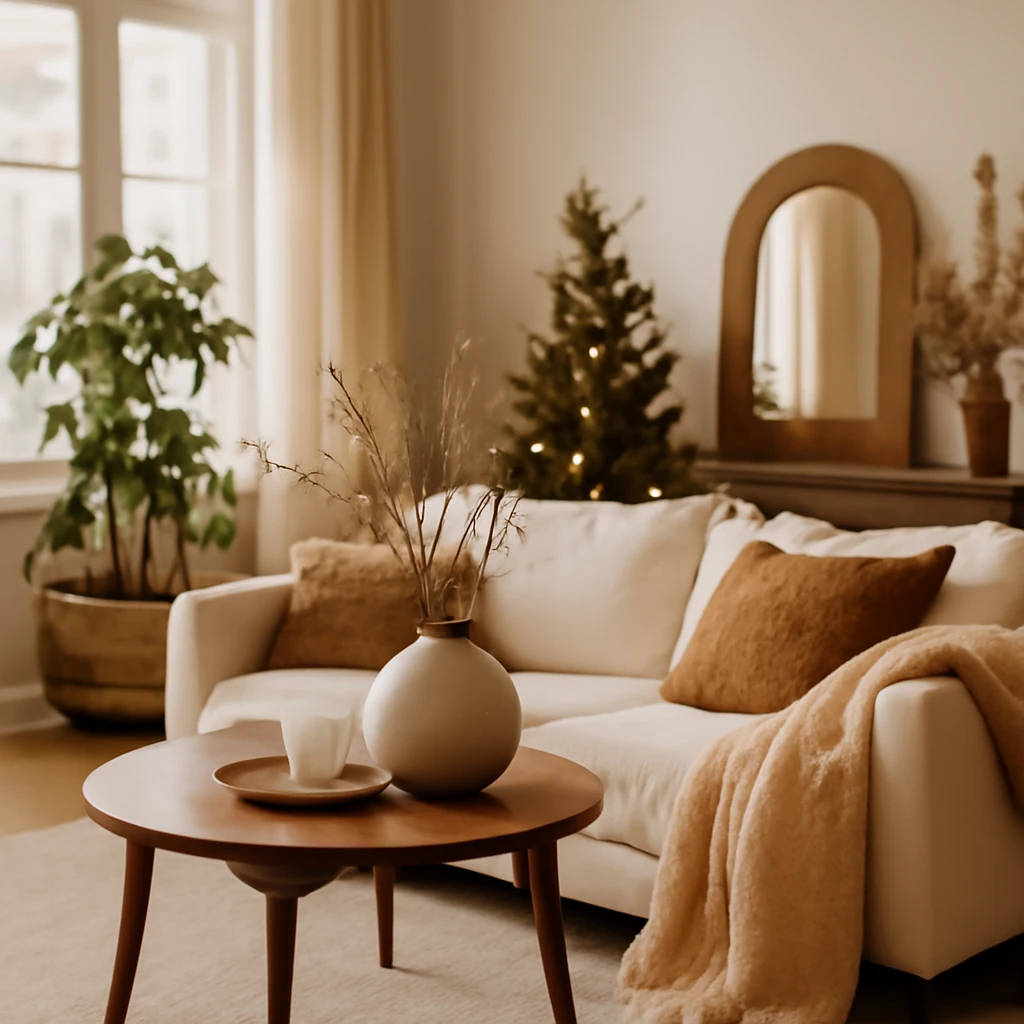
New Year decor for European homes: stylish, budget-smart ideas
The festive season travels far and wide across Europe, from the sunlit balconies of southern cities to the cosy corners of northern flats. Across this diverse panorama, one aim remains consistent: to create a warm, inviting ambience that marks the turning of the year without breaking the budget. This guide offers practical ideas that work in compact city apartments, traditional townhouses, and everything in between. It centres on thoughtful materials, timeless colour palettes, and lighting strategies that elevate everything from a studio to a family home.
Wall-mounted trees and space-saving decor
One of the most popular and practical trends in recent seasons is a wall-mounted Christmas tree. The appeal is simple: it saves precious floor space while delivering a festive focal point. A wall tree can be crafted from a variety of materials - branches arranged into a silhouette, reclaimed timber boards, slender wooden rods, or even a line of garlands and baubles. If you prefer a ready-made solution, a wall decal shaped like a fir tree provides a clean, modern reference that can be customised with colour and scale to suit any room.
For a more tactile approach, create a mural using natural materials: twigs or dried branches arranged in a minimalist geometric form, finished with battery-operated lights or small, discreet baubles. Another option is a collage of family photographs arranged into a tree shape on a textured wall, which adds warmth through memory and colour without requiring glass or fragile ornaments.
Tips for European homes with limited wall space:
- Choose a scale that suits the room: a tall, narrow wall is perfect for a slim silhouette, while a broader wall benefits from a wider, more expansive tree shape.
- Use low-heat, battery-powered lighting to keep risk low and flexibility high, especially in rental properties where changes must be reversible.
- Coordinate colours with the room’s palette - soft whites, traditional greens, or metallic accents create varying atmospheres from tranquil to festive.
Potted evergreens: subtle greens on the windowsill
For smaller homes and those who prefer a living touch, a cluster of small evergreen plants on a windowsill makes a sophisticated statement. Place two or three compact conifers in simple pots or baskets, they require minimal decoration and naturally lend a festive frill when grouped together. In European homes, a windowsill display resonates with the natural light and frames the urban view, becoming a gentle reminder of the season without dominating the room.
To elevate the look, choose uniform pots - white, matte ceramic or natural weave - to unify the display. If the plants are purchased from supermarkets or garden centres, they often come with minimal equipment, a slim trellis of wire or a wooden tray can turn a simple pot into a polished composition.
Festive bouquets and natural arrangements
A bouquet can transform a sideboard, dining table, or console into a seasonal vignette. Beyond the classic evergreen sprays, decorators in Europe increasingly integrate seasonal botanicals with symbolic meaning: sprigs of berries, seed pods, dried fruits, and seasonal flowers. The goal is to strike a balance between organic textures and restrained colour, so the arrangement reads as elegant rather than cluttered.
Consider a collection of stems in a clear or ceramic vase, offset with small glass baubles or copper-toned baubles to reflect light. Complement with a few foraged or dried elements such as orange slices, pinecones, or cinnamon sticks to create a sensory experience that is warm to the eye and fragrant to the nose.
Branches, garlands and centrepiece ideas
Branches and garlands provide versatility: they can transform mantels, consoles, stair rails, and dining tables. An adapted approach is to wrap slender branches with warm white LEDs and weave in tiny ornaments or dried fruits. For those with no easy access to live greenery, an architectural garland of paper or fabric can offer a modern, tactile alternative.
If you enjoy a bold, sculptural statement, consider using bare branches treated with subtle lighting as a focal point in a living room or entry hall. The key is to ensure the piece remains lightweight and easy to rearrange across the season. Accent pieces - woven stockings, knitted textiles, and soft throws - help establish a coherent seasonal narrative without overwhelming the space.
Decorative textiles: texture and warmth
Textile plays a pivotal role in a festive interior. A well-chosen throw, a set of cushions, and plush coverings on furniture instantly convey warmth. When decorating for a European home with a refined taste, opt for textures such as wool, bouclé, velvet, and natural fibre weaves. These materials add depth under artificial lighting and create a cosy layering effect that is particularly welcome during longer winter nights.
Colour is important, but restraint is wiser. A palette built around two or three tones - such as ivory, sage green, and dark emerald, or warm greys with deep red accents - will feel cohesive across the living room, dining area, and bedroom. Subtle metallic threads or brushed brass details on cushions and throws can elevate the look without shouting holiday.
Festive windows and door decorations
Window decorations
Windows are natural canvases for festive display, and decorating them can be a family-friendly, low-cost activity. Use markers, stencils, or window-safe paints to draw snowflakes, stars, or scene silhouettes. For younger children, simple cutouts or paper shapes can be attached with removable adhesives. A light dusting of frosted colour or a translucent vinyl film can transform glass into a seasonal backdrop while letting daylight filter through.
Alternatively, hang garlands along the frame or create a border of paper stars. LED candle tea lights or small lamps placed on the sill can illuminate the scene from within, creating a gentle glow in the evenings without requiring plugs or extension leads. If you have a balcony or terrace, consider a secondary display at the door or on the railing to extend the festive mood outside the home.
Decor on doors
Door decorations signal guests that the season has begun the moment they approach your home. Simple wreaths, handmade from evergreen sprigs, pine cones, and a ribbon, offer an instant welcome. For a modern twist, mount a minimal, circular wreath on a contrasting door colour or use a vertical arrangement of dried botanicals tied with a natural fibre cord. Small decorative touches - mini stockings hung with care, or a few sprigs tucked into a door handle - can add charm without heavy ornamentation.
New Year lighting: glow from within
Lighting is perhaps the most transformative element of any festive interior. In European homes, layered lighting - ambient, task, and decorative - creates a sense of theatre as days shorten. String lights remain a reliable option, but consider how you place them across spaces to avoid visual clutter. Drape light strands along window frames, stair rails, and shelves, or place lanterns and votives on tables and mantels to cast a warm, intimate light.
Budget-friendly lighting techniques include lighting a few architectural features, such as a mirror, by placing LED ribbons behind the frame to bounce light into the room. A small cluster of lanterns or glass houses placed on a console can produce a soft, romantic effect that is particularly effective in dining spaces and bedrooms.
Eco-friendly decorations from everyday materials
Growing awareness of sustainability has inspired many to craft decorations from readily available materials. The idea is to create charming, durable pieces that can be stored and reused for several seasons. Here are practical ideas you can implement with minimal fuss:
- Ornaments and garlands made from salt dough are easy to make and tastefully rustic when finished with a matte glaze or simply left natural.
- Hand-knitted or crocheted decorations - stars, dolls, or snowflakes - add texture and warmth to sofas, mantels, and trees.
- Wreaths of branches, painted pinecones, and dried citrus slices create a timeless, European look that pairs well with natural linen and wool textiles.
- A garland made from bottle caps, corks, or wooden slices offers a modern, sustainable alternative for urban homes with a love of craft.
- Origami figures from sturdy paper or lightweight cardboard can form a delicate, airy display that complements minimalist interiors.
For any handmade or reimagined piece, store it carefully after the season ends to preserve its shape and colour for the next year. A dedicated storage bin or a labeled box will make next year’s decorating effortless.
Edible and aromatic holiday decorations
Food-inspired decor adds sensory richness to the home. Gingerbread shapes can serve as ornaments for a short period, but they are best used as decorations for the festive table or as part of a shallow dish on a console. If kept longer than planned, they may lose their crunch and scent. Instead, opt for dried citrus slices, cinnamon sticks, star anise, and whole cloves threaded onto string for fragrant garlands. A few sprigs of fresh herbs or evergreen foliage can be swapped in for a lighter, live scent that remains within budget and prevents clutter.
Advent calendars: handmade or store-bought, with a personal touch
Advent calendars are arguably more about anticipation than decoration. A handmade calendar, filled with small envelopes, envelopes, or boxes, can be a family activity that creates ritual and excitement in the days leading up to Christmas. If space is tight, arrange the calendar on a shelf or table in the form of a small Christmas tree or garland, ensuring the packaging remains compact and safe for little hands. The purpose is to build excitement and connection, not to create visual overload in a small room.
How to decorate different rooms for the New Year
Living room
The living room is the central theatre of festive life. To achieve a cosy yet refined look, combine two complementary palettes: red and green with white and icy blue, or maintain a monochromatic scheme with accents of metallic tones such as brass, copper or satin gold. For a more contemporary approach, blend a neutral base - cream, taupe, or soft grey - with accents of evergreen and a splash of accent colour on cushions or a single decorative piece.
Layer textiles to add depth: a textured throw over a sofa, a couple of velvet cushions, and a wool blanket draped casually at the arm. Lighting plays a crucial role here, a combination of warm ambient light and a few decorative lamps creates a mood that feels both festive and intimate. Consider placing a small arrangement of stems and berries on the coffee table or a console to anchor the room to the season without overpowering it.
Bedroom
During the festive period, the bedroom can become a sanctuary that echoes the season without dominating it. Choose a colour palette that aligns with the room’s existing scheme - soft whites, pale greens, or dusty rose - and apply it across textiles, curtains, and cushions. An easy way to achieve a seasonal feel is to layer a festive throw or quilt at the foot of the bed and tie small decorative elements into the pillowcases or the bed runner. If you prefer a more subtle approach, add a single statement ornament on a dresser or hang a seasonal garland lightly above the headboard.
In compact bedrooms, consider wall-hung storage or low-profile furniture to keep sightlines clear and maintain a sense of spaciousness while still delivering holiday warmth. For safety and comfort, avoid heavy decorations that can impede movement or create clutter in smaller spaces.
Children’s room
Decorating a child’s room should prioritise safety and playfulness. Embrace bright colour combinations and whimsical shapes while avoiding heavy, fragile pieces. A small artificial tree in a pot, a wall decal of festive motifs, and soft textiles with seasonal patterns create a joyful environment without risk. For a gentle nod to tradition, a garland of paper stars or lightweight felt ornaments can be fun and easy to supervise during the holiday period.
Kitchen and dining area
The kitchen is often the heart of social gatherings. Infuse the space with edible decor: a fruit and citrus arrangement for a cheerful centrepiece, architectural stacks of cookies or gingerbread shapes on a decorative tray, and a border of evergreen sprigs along a shelf or windowsill. On the dining table, keep place settings simple and elegant: a runner in a natural fibre fabric, a single decorative item per place setting, and a few sprigs of evergreen tucked into napkin rings or tied with natural twine can create a cohesive, festive table without clutter.
Where to place the Christmas tree
While many families in Europe favour a traditional tree, others opt for a more architectural approach: wall-mounted trees or ceiling-suspended greenery. If using a real tree, place it away from radiators or direct heat sources to preserve the needles and fragrance. A compact tree may sit atop a sturdy console or coffee table within a living space, while larger trees should rest on the floor away from foot traffic. For small spaces, consider elevating a slim tree on a plinth or a dedicated stand that keeps the tree from impeding movement.
If you choose an artificial tree, ensure it is made from high-quality materials that retain shape after storage. No matter the type, ensure stability and balance so the tree cannot be knocked over by curious pets or children. Storage solutions are essential after the festive period: invest in a robust bag or box designed to protect branches and lights for next year’s decoration cycle.
Storage and maintenance: keeping things tidy after the holidays
Effective storage is the quiet backbone of a long-lasting festive interior. Label boxes clearly and group items by material (textiles, lighting, accessories) so you can retrieve them quickly next year. A dedicated storage corner in a utility room, spare wardrobe, or garage keeps seasonal décor organised and protected from dust or moisture. If you do not have separate storage space, consider stackable, transparent containers that stack neatly in a shelf or under a bed, enabling easy access and compact storage.
Conclusion
Decorating for the New Year across European homes invites a balance of tradition and modernity: a respect for warmth, a reverence for quality textiles, and a commitment to sustainability and practicality. By combining wall-mounted concepts, natural textures, layered lighting, and thoughtful colour palettes, you can craft a festive ambience that feels timeless rather than over elaborate. The approach above is designed to be adaptable to any home - whether a compact city apartment, a terraced house, or a contemporary flat - so you can create a magical, welcoming space that remains comfortable and stylish long after the celebrations end.
You may also like these articles
 Furniture
Choosing pet-friendly upholstery: anti-scratch fabrics for European homes
Pet-friendly fabrics that resist claws without compromising style.
Tips & How-To
How to Hang a Mirror: 7 Universal Methods for Every Surface
Expert techniques for mounting mirrors safely on walls, doors and wardrobes.
Colour & Materials
Timber wall finishes: nine options for European homes
Timber wall finishes for European homes—budget to premium explained.