
Explore interior trends, AI design insights, styling guides and real transformations
How to Hang a Mirror: 7 Universal Methods for Every Surface
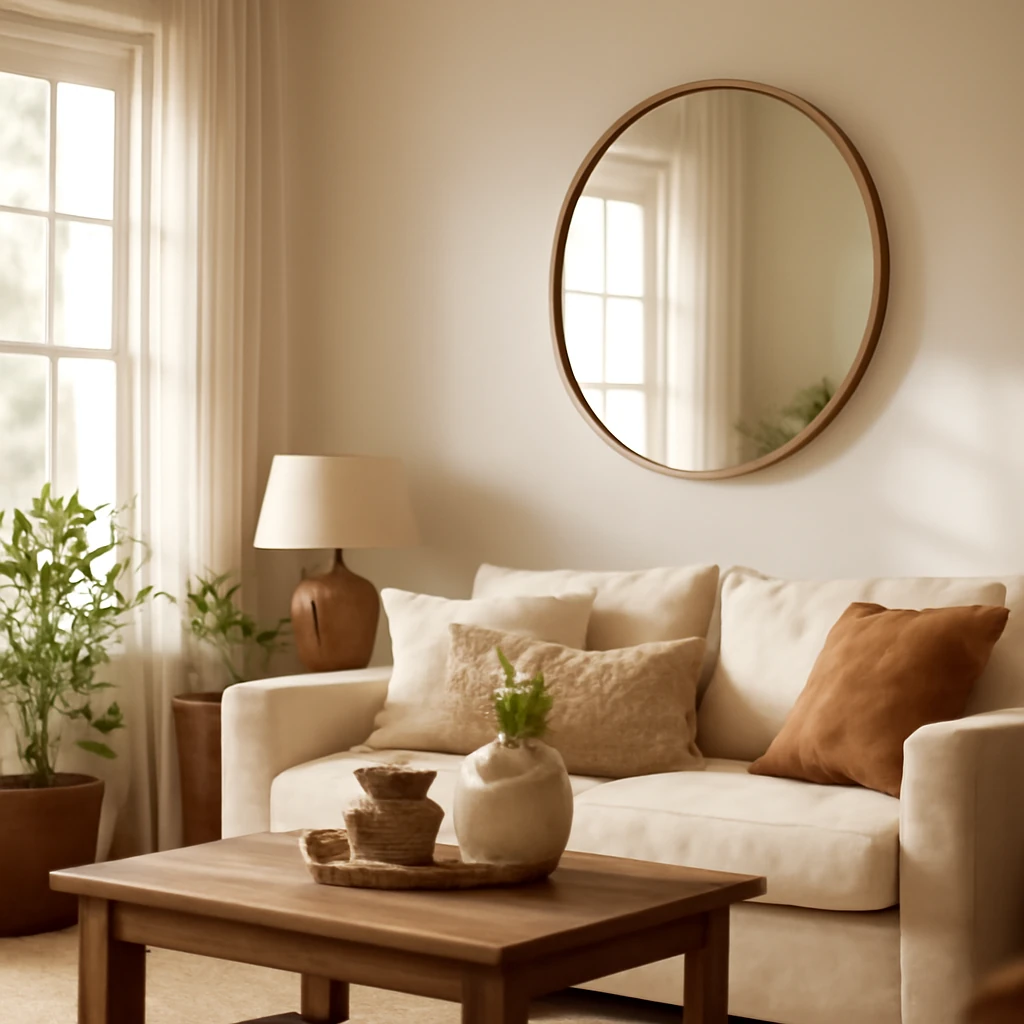
Why mirrors matter in contemporary interiors
In European homes, mirrors are more than practical grooming aids. They are versatile design tools that reflect light, create spatial generosity and organise visual drama. A well placed mirror can brighten a dim hallway, elongate a cosy living room, or soften the mood of a bedroom. The challenge lies in choosing the right surface and the most suitable fixing method, so that safety, function and aesthetics align. This guide offers seven universal approaches to mounting mirrors on walls, doors or furniture, with clear steps and considerations for diverse wall types and finishes across Europe.
How to hang a mirror correctly
General principles
- Size, weight and the surface strength must be matched. A heavy framed mirror on a hollow interior door, for example, may require additional support or alternative attachment points. Likewise, large wall mirrors benefit from multiple fixing points aligned with structural backing.
- Think about the room and occupant experience. In bedrooms or near seating, avoid reflections that might disturb sleep or cause glare. In compact rooms, position mirrors so they do not obstruct doors or create trip hazards.
- Mark the intended position with a pencil before any drilling or adhesive application. This helps avoid crooked hangs and saves time on adjustments.
- maximise natural light. If the space is light-starved, place the mirror to reflect a window or light source to double the brightness and visually expand the room.
- Avoid draughty spots. Mirrors collect dust more readily in such locations, and cleaning becomes more frequent.
- For extra durability, consider mounting the mirror onto a backing board such as plywood or hardboard first. This increases rigidity and protects delicate finishes during handling.
- Height and position should suit the residents. For full-length mirrors, centre the surface around eye level, typically between 165 cm and 170 cm from the floor, with the bottom edge about 60 cm above the floor. For shorter or decorative mirrors, align the centre with the eye line of the average occupant, ensuring comfortable viewing from common seating or standing positions.
These guidelines create a secure baseline. The following sections address common scenarios and fixing options for walls, cabinets and doors, including frameless mirrors and non‑drilling methods.
Placement options: walls, wardrobes and doors
Across European interiors mirrors appear in three main contexts: mounted on a wall, attached to a wardrobe or other furniture, or fixed to a door. Each scenario requires attention to surface type, fixings and the desired aesthetic. Below are practical approaches for each situation, plus cautions about surface finishes and long-term durability.
On the wall
Wall mounting is the most common and offers the broadest choice of shapes and sizes. For framed mirrors, backings typically include hanging hardware or a dedicated mounting kit. If the supplied fixings are not suitable for your wall type, purchase appropriate anchors or brackets from a professional hardware supplier.
Step by step
- Mark the precise position on the wall, using a spirit level to ensure horizontal alignment with nearby furniture or architectural features.
- Drill holes corresponding to the marks, choosing bits suitable for the wall material (masonry, plaster, drylining, or timber stud).
- Insert the appropriate anchors or screws. For heavy mirrors, ensure fixings have a load rating that exceeds the mirror weight by a comfortable margin.
- Hang the mirror on the fixings and adjust carefully to achieve perfect alignment.
Non‑drilling options for delicate finishes
- Adhesives that are suitable for mirrors, including specialist construction glues, may be used where the wall finish is delicate or restoration work is ongoing. Use a backing board to protect the wallpaper or plaster and distribute load.
- Foam mounting products can provide secure adhesion with controlled application. Apply in dots or short strips to maximise contact area while minimising risk to the wallpaper or paint finish.
- Double‑sided foam tape is effective for light to medium mirrors. Choose high‑tack foam and apply around the frame or the back of the mirror, pressing firmly to hold for the required curing time.
If you opt for adhesive mounting, a practical technique is to add a lightweight backing panel behind the mirror before applying adhesive to the wall surface. A thin 2 to 5 mm MDf panel is an ideal choice, it stiffens the assembly and prevents concentrated pressure against the wallpaper or paint.
For a secure non‑drilling method with foam or tape, you can prepare the wall by cleaning with a degreasing solution and ensuring the surface is dry. Follow the adhesive manufacturer's instructions for curing times and temperatures. Avoid mounting in spaces subject to high humidity unless the adhesive is rated for such conditions, as this can degrade the bond over time.
On a wardrobe or other furniture
Fitting a mirror to a wardrobe or built‑in cabinet is a clean, space‑saving solution that keeps the room uncluttered. If the furniture doors do not have mirrored panels, a mid‑sized or small mirror can be mounted onto the door face or onto the side panel with care.
Fixing options
- Double‑sided tape. For light mirrors on cabinet doors, a foam‑backed double‑sided tape can provide a strong hold. Select a tape with sufficient thickness, and apply around the perimeter to distribute the load. Ensure the room is at normal living temperatures during application and curing.
- Liquid nails or mirror‑rated adhesives. These are straightforward and effective across many surfaces, including melamine, painted finishes and wood. Mark the mirror’s outline in pencil and apply adhesive in continuous strips or a zigzag pattern to ensure uniform contact.
- Silicone sealants. Specialist mirror silicones can offer a robust bond on smooth cabinet surfaces. Degrease the surface before application, use a cartridge gun for neat lines, and allow proper curing time before handling.
Practical tip: when mounting onto furniture that has a deep grain or decorative profile, consider using a backing board or clearance spacer to avoid damage to mouldings and to maintain a flush finish.
On the door
Doors in hallways or bedrooms are popular places for a quick check before leaving the house. The method depends on the door material and whether you want a long‑term or reversible fix.
- Adhesive mounting. A mirror compatible adhesive with a perimeter strip of double‑sided tape can provide a strong yet reversible hold. Cure time is required before use, and avoid placing the mirror over the door handle or near hinges where movement or impact could damage the fixings.
- Mechanical fixation. If you prefer a drill‑based method, fixings should be sized for the door material, with king studs or a backing panel behind the door to spread the load. Ensure the hole depth is appropriate to avoid striking the door hardware or penetrating through to the other side.
In all cases, take care to avoid interference with hinges, lock mechanisms or door operation. Where possible, choose fixings that allow removal without lasting damage, especially in rental properties or listed buildings where alterations are restricted.
Hanging a frameless mirror
Frameless mirrors offer a sleek, contemporary aesthetic but require careful handling because they can be more fragile at the edges and may rely more heavily on edge support. There are three reliable approaches, depending on surface tolerance and aesthetic preference.
With fixings to the wall
If you drill through a frameless panel, use specialist glass drill bits and work slowly at low speeds. Always support the mirror during drilling to prevent cracking. Attach with suitable brackets or wall brackets that spread the load along the back edge, keeping the fixation discreet.
With mounting plates
Backed by small steel mounting plates that attach to the back of the glass, these systems enable you to fix the mirror while maintaining a clean, floating appearance. Plates are hidden from view and distribute weight evenly across the mounting area, reducing stress on any single point of the edge.
With no drilling
Non‑drilling options include self‑adhesive systems and edge clamps on backing panels. Ensure the wall surface is flat, clean and dry, and follow the manufacturer directions for load limits and cure times. Use compatible backing boards when necessary to provide surface stability and to reduce edge stress on the mirror.
Choosing a mirror to suit interior designs
The scale and silhouette of a mirror transform how it reads in a room. Large mirrors can dominate, smaller pieces can act as accent details. Consider these principles when selecting a mirror for European homes.
- Unframed mirrors suit minimalist, contemporary and Scandi styles, while substantial framed designs in timber, brass or metallic finishes harmonise with traditional or richly layered interiors. In bold eclectic schemes a sculptural frame can become a focal point.
- Frame colour should harmonise with the room finishes. For large mirrors, neutral frames such as black, white or natural wood tones tend to be versatile and timeless.
- Classic shapes include circle, square, oval and rectangle. If you want a dramatic focal point, experiment with a more complex silhouette or geometric form for a striking silhouette.
- In bathrooms, hallways or dressing areas consider integrated lighting. LED perimeters, wall lights at eye level, or compact table lamps can enhance usability and ambience.
- A larger mirror reflects more of the room, use this to visualise space expansion or balance heavy furniture in the composition.
- Size should be balanced with surrounding objects. Above a sofa, a large rectangular mirror or a trio of smaller panels can create a balanced vignette. In narrow hallways with low ceilings, a tall, slender mirror can echo door frames or wardrobes without crowding the space.
Room by room: practical applications
Different spaces benefit from tailored mirror strategies. Here are recommendations for common European layouts.
Hallways and entryways
Entry spaces benefit from mirrors that create a welcoming glow and help you compose your outfit before departure. A tall, narrow mirror placed opposite the door can extend the sense of entry and reflect light from any adjacent window. In this context, avoid overly dramatic frames that could clash with an understated foyer or corridor finish. If space is tight, a vertically oriented frameless panel or a slim framed mirror can achieve the same effect without crowding the doorway swing.
Living rooms
In living rooms, mirrors work best when balanced with art and furniture scale. A large mirror above a sofa should be proportionate to the sofa length, a general rule is to keep the mirror length equal to two thirds of the sofa width. Pair a statement mirror with a curated group of artworks or a console table to create a cohesive focal point. For seating areas, a wall mirror opposite a lamp or window can distribute ambient light more evenly, reducing shadows and softening the atmosphere.
Bedrooms
Mirrors in bedrooms should align with privacy and comfort. A full‑length mirror mounted at eye level can assist dressing without dominating the space. If a mirror faces the bed, ensure reflections are aesthetically calming and not visually disruptive at night. For smaller bedrooms, consider a single tall mirror or a composite arrangement of two or three smaller mirrors to mirror light and add depth without overwhelming the room.
Bathrooms
In bathrooms, humidity resistance is essential. Choose mirrors with sealed edges or proper framing and avoid wooden frames that are not treated for wet environments. A backlit frameless mirror can provide both function and a spa‑like ambience, while anti‑fog features or strategically placed lighting reduce misting. If using adhesive methods, ensure the surface is glass‑safe and the mounting system is designed for humid environments.
Home offices
In workspaces, mirrors should contribute to a sense of openness and clear sightlines without causing glare on screens. Place mirrors to reflect ambient light and avoid direct reflection into your monitor. A vertical mirror can visually expand a small home office, while a wall gallery of smaller panels can add personality without dominating the wall space.
Maintenance, safety and compliance
Proper maintenance extends the life of mirrors and protects occupants. Clean glass with a non‑abrasive glass cleaner and a soft lint-free cloth, avoiding harsh solvents that could damage coatings or frames. For metal or wooden frames, use appropriate care products to maintain finish and luster. Regularly check fixings for signs of loosening and re‑tighten as needed.
When mounting mirrors, safety is paramount. Ensure fixings are rated for the mirror weight and surface strength, particularly in high traffic areas or spaces subject to vibration. In rental properties or historic buildings, prefer non‑drilling methods where possible and obtain permission for any fixed alterations. If you are uncertain about wall type or load capacity, consider consulting a professional installer who can assess the wall and specify fixings appropriate to European construction methods.
Maintenance and care: practical tips
- Clean the glass with a soft cloth and a mild, non‑ammonia cleaner to avoid streaks. Dry thoroughly after cleaning to prevent water spots on the backing materials.
- Inspect fixings every six to twelve months, especially in rooms with fluctuating humidity or temperature changes. Re‑tighten screws or re‑apply adhesive if necessary.
- Protect edges during cleaning to prevent chipping, particularly on frameless pieces with exposed edges. Consider edge guards or a light protective frame for high‑traffic areas.
Budgeting and professional installation
Prices for mirrors and fixings vary with size, weight and finish. When budgeting, include the mirror cost, backing boards or backing hardware, fixings tailored to the wall type, and any professional installation charges if you opt for a certified installer. A well planned approach can save time and avoid damage to finishes during hanging. If the room needs multiple mirrors or a bespoke layout, a design professional can draft a layout plan that balances scale, light and architectural features.
Final thoughts
Mirrors are among the most versatile design elements in European interiors. With careful choice of surface, frame, and fixings, they can illuminate spaces, create the illusion of depth and frame the room’s style. By sticking to a few fundamental rules for weight, position and surface compatibility, and by selecting appropriate non‑drilling or drilling methods for walls, doors and wardrobes, you can enjoy a safe, stylish and durable installation. In every project, the aim is to harmonise function with aesthetics - making every reflection contribute to a more beautiful, balanced home across Europe.
Пока комментариев нет. Начните обсуждение!
You may also like these articles
 Small Spaces
Compact living, big possibilities: planning a 6x6 metre home across Europe
Small footprint, smart design: five layouts for a 6x6m home.
Colour & Materials
Soft White, Quiet Glow: How Light Tones Shape European Homes
Pale palettes that expand spaces and refine European interiors.
Bedroom
Scandinavian Bedrooms: Calm Light and Natural Textiles for European Homes
Nordic-inspired bedrooms: calm spaces, natural textures, layered lighting.