
Explore interior trends, AI design insights, styling guides and real transformations
Hanging sheer curtains beautifully: seven practical methods for European homes
Introduction: the charm of sheer curtains in European homes
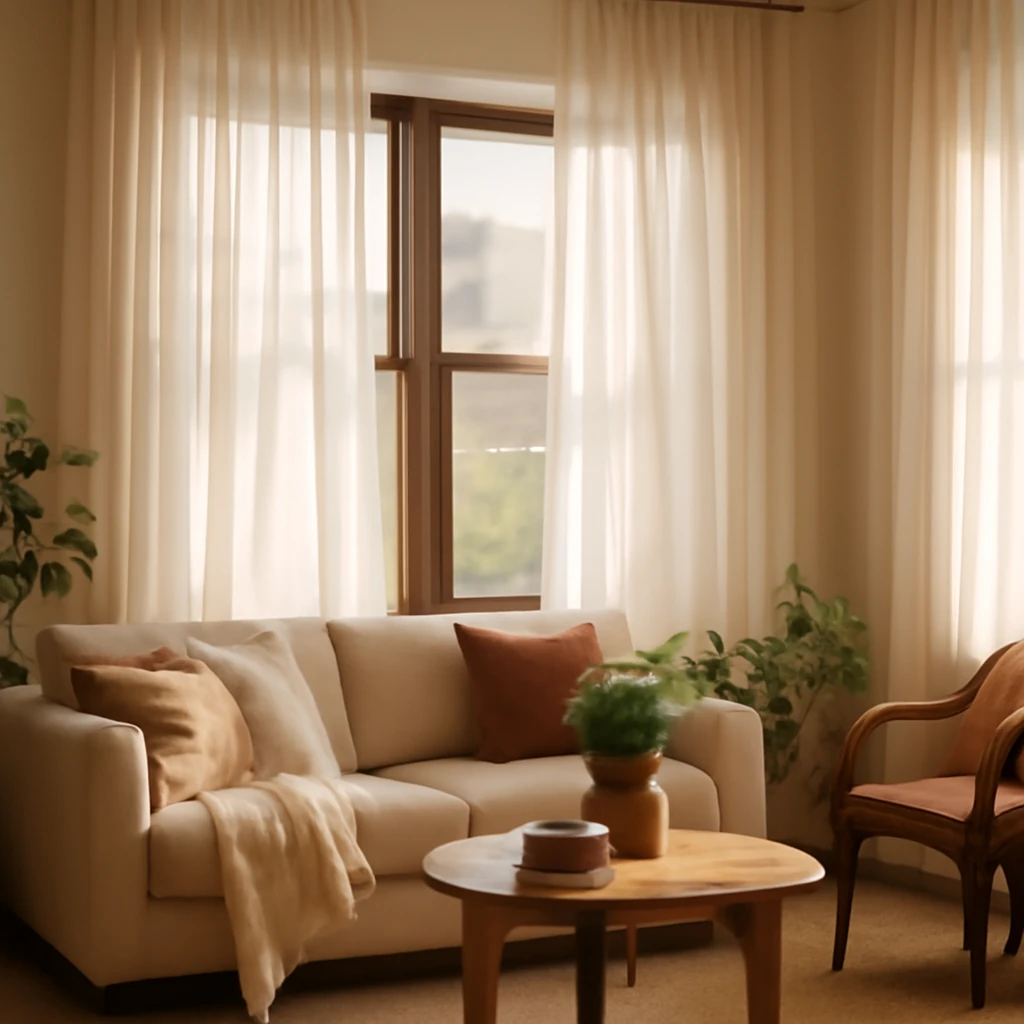
Sheer curtains, or tulle, bring a delicate softness to interiors. They diffuse daylight, create a sense of airiness, and soften architectural lines without blocking out the sun. In many European homes, sheer fabrics are used as a refined layer alongside heavier drapes, or worn on their own in living rooms, bedrooms, kitchens, and balconies. The key is to choose the right attachment method and drapery style for the space, the window, and the climate.
This guide presents seven practical methods for hanging sheer curtains, with variations for different window architectures and room moods. It also explores common drapery styles and explains how to achieve them with minimal effort and maximum impact, all while keeping a European context in mind.
General rules for hanging sheer fabric
Before selecting a fixing method, keep a few universal principles in mind. They help you achieve a polished look and practical operation in daily life:
- Fabric width: allow generous fullness. In most cases, the fabric width should be roughly twice the desired visible width of the curtain on the window. This creates natural folds when drawn and ensures a soft, luxurious drape.
- Length and floor interaction: for long sheer panels, avoid letting them drag on the floor. Leave a small gap of about 2–3 cm to prevent dust collection and wear, while maintaining a tidy silhouette.
- Fabric choice and context: sheer fabrics vary in weight, texture, and care. Some hold shape well and support sculptural draping, others convey lightness and airiness. Consider room use (kitchen vs lounge), maintenance, and how odours or dust might influence fabric choice.
- Colour and light direction: for south-facing rooms with strong sun, cooler whites or pale greys can read as crisp and fresh, for north-facing spaces, warmer neutrals such as ivory or biscuit can create cosy warmth.
- Window pairing: if two windows are closely spaced, one continuous panel can visually unify the façade and avoid breaking the space into smaller segments.
Types of curtain rods and supporting systems
The choice of support system influences how the sheer fabric behaves and how easy it is to operate daily. Here are the main options, from classic to contemporary, suitable for European homes.
- Bar (rod): a long, cylindrical bar fixed across the window. Bars come in wood, metal, or composite materials and can be finished to match or contrast with the room’s colour palette. They are versatile and suitable for a wide range of styles, sometimes a contrasting bar adds visual dynamism.
- Wire (cable): a tensioned wire between two brackets forms a minimalist, almost invisible solution. It is best for light fabrics like sheer tulle, it is not recommended for heavy drapes.
- Rail (track): a track or rail (often aluminium) with carriers and hooks. This is a modern, streamlined option that enables very close-to-ceiling hung sheer panels and smooth traversal for daily use. Tracks can be mounted to walls or ceilings.
- Baguette (profile): a decorative cover conceals the track or rail and connectors. The system still provides a rail-like function, but with a refined outer finish that blends with interior details. Baguettes are commonly wooden or MDF and can be tailored to match trim work or cabinetry.
Seven practical methods for attaching sheer curtains
Most European homes use one of these methods as the backbone for hanging sheer curtains. They range from budget-friendly and lightweight options to more robust solutions that accommodate larger panels or higher-traffic spaces.
1. On hooks with a drapery tape
Hooks combined with a sewn-on drapery tape represent a practical, cost-effective solution. Ready-made sets in shops offer various hook numbers and tape widths, allowing you to tailor the assembly to the panel size. The tape is sewn to the fabric’s upper edge, and hooks are inserted into the tape’s holes to create even, repeatable pleats.
Process outline:
- Choose a drapery tape width appropriate to the weight and density of the sheer fabric (commonly 3–10 cm for light tulle).
- Sew the tape to the top edge of the panel along its full width.
- Pull the cords or create small knots on both sides to prevent accidental loosening.
- Using the cords, form the desired drape - ranging from light, airy folds to more pronounced, architectural pleats.
- Attach the hooks and fix them to the track or rod carriers as required.
Practical tip: for tulle panels, plan one hook per roughly 7–10 cm of fabric. If you want more pronounced fullness, space the hooks slightly closer together.
2. On eyelets (grommets)
Eyelets are metal or plastic rings set into the upper edge of the panel, with holes to thread a curtain rod through. This approach provides a clean, contemporary look and works well with lighter sheer fabrics. Eyelets distribute weight evenly along the top edge and can be less fiddly than tape in some installations.
Considerations:
- Eyelets can be finished to match the rod or to provide a deliberate contrast for a focal accent.
- Choose larger eyelet sizes when using a visual statement rod or track with visible carriers.
3. On loops
Loops embedded into the upper edge of the fabric or sewn as separate loops are a gentle, minimal approach. They create a soft, floating look and are well-suited to lightweight tulle. Loops can be hidden behind a decorative edge tape or left visible as a design feature, depending on the room's style.
How it works:
- Loop panels are hung by sliding the rod or track through each loop.
- If a more seamless appearance is desired, select matching fabric loops or a concealed decorative finish.
4. On a drawstring heading (culisse)
A drawstring heading, or culisse, forms a continuous “tunnel” of fabric along the top. The rod or track passes through the tunnel, enabling a fully concealed header. This method delivers a streamlined, almost architectural silhouette, particularly effective for contemporary interiors.
Key sizing note: the culisse diameter should be a couple of centimetres larger than the rod to allow the curtain to move freely without catching.
5. On a ceiling track
Installing a ceiling-mounted track can yield a nearly seamless look, especially in rooms with tall ceilings or where floor-to-ceiling glazing is a hallmark of the design. Ceiling tracks often include built-in carriers and can accommodate integrated lighting or concealed fixtures. When you install a ceiling track, ensure proper anchorage into structural elements or studs. For existing ceilings without a ready track, a professional installer can provide compatible retrofit solutions.
Practical notes:
- Ceiling-mounted tracks allow the sheer fabric to sit just under the ceiling line, enhancing the sense of height.
- For retrofits, consider a system that uses standard hooks or carriers compatible with light, air-permeable fabrics.
6. On a wire (threaded into a minimalist frame)
Where a formal rod or track isn’t feasible - such as on a balcony, a sunroom, or a compact niche - a thin wire with small clips can be a practical solution. The wire is fixed at two points and the sheer fabric is clipped to it. This is ideal for short-term installations, temporary seasonal displays, or spaces where drilling is limited.
Implementation tips:
- Choose a light-weight fabric (organza or fine tulle) to minimise strain on the wire.
- Use discrete clips and ensure the wire is taut to prevent sagging between fixings.
7. On Velcro (adhesive or sewn-on)
Velcro is the fastest, most flexible method for temporary or rental spaces where drilling is not desirable. Attach Velcro to both the fabric header and the window frame wall or a lightweight mounting strip. This approach is best for lightweight sheer fabrics and short-term displays, as the adhesive or loop materials may not withstand high winds or repeated handling over long periods.
Tips for tidier finishes:
- Cover the top edge with a decorative border or tape to hide the Velcro and maintain a refined look.
- Use high-quality Velcro or hook-and-loop systems designed for fabric applications to improve longevity.
Types of drapery (draping) for sheer curtains
The way you drape sheer fabric can dramatically alter the room’s atmosphere. Here are five common drapery approaches that work well with tulle and other delicate materials. When patterns exist on the fabric, avoid overly aggressive pleating, as it can distort the print.
- Radial (radiating) pleats: A generous amount of fabric is gathered into soft, fan-like folds at the top, fanning down in straight lines. This is ideal for light, semi-transparent fabrics like organza or fine tulle and can be created using curtain tape or tailored pleating. It suits both classic and minimalist styles, offering a universal, elegant silhouette.
- Pencil pleats: These create narrow, uniform folds that run from the top to the bottom. Pencil pleats add volume without appearing heavy, making them a good option for rooms where you want more texture without bulk.
- Side pleats ( боковая ): Pleats start a little way down from the very top and are arranged to resemble a glass or goblet shape. A light fill is added to enhance the depth of the folds. This approach works well for slightly more formal rooms or where you want the drapery to frame rather than dominate the view.
- Bow (bантовая) pleats: Two folds that open in opposite directions resemble a bow. This technique is best with heavier fabrics and is traditionally used for drapery panels, for sheer fabrics, a softer version can be achieved with light-weight tulle or by combining with a decorative sheer lining.
- French pleats: A sophisticated, vertical pleating technique that creates delicate wave-like folds across the panel. It suits classical interiors and can be achieved with vertical cords or specialised stitching. French pleats require careful tailoring to ensure even spacing and consistent height across the full width.
Practical note: for sheer fabrics with patterns, avoid complex pleating that could distort the motif. A simple radial or pencil approach often preserves the pattern’s integrity while still delivering the desired texture.
Practical planning and installation tips for European homes
Whether you are renovating a historic apartment, a modern city loft, or a weekend house by the coast, these guidelines help ensure a neat, durable result that remains visually light and functional:
- Measure accurately: measure the window width at three points (left, centre, right) and use the widest reading to determine panel width and rod/track length. For two-window setups, consider a single uninterrupted panel when appropriate to create a cohesive look.
- Plan for movement: if the panel is likely to be opened and closed daily, choose hooks, loops, or a track system that offers smooth operation without snagging.
- Choose the right backing layer: in spaces prone to humidity such as kitchens and bathrooms, select fabrics with easy-care properties and consider lining or a breathable underlayer to prevent wear from dampness.
- Coordinate with hardware: align the metal or wooden finish of rods, tracks, and hooks with other hardware in the room (faucets, door handles, picture rails) for a cohesive look.
- Light control and privacy: sheer curtains are ideal for filter-light while maintaining privacy. If you require more shade, pair them with heavier drapes or consider lined sheer panels which can be drawn together for more coverage in the evenings.
- Maintenance: regular gentle washing or dry-cleaning (as advised by the fabric supplier) will keep the sheer panels looking fresh. Avoid rough handling when pleating or rearranging to prevent snags or pulls.
Room-by-room considerations: applying the methods to living rooms, bedrooms and kitchens
European interiors vary from serene minimalism to lush, traditional interiors. The following quick notes help tailor the hanging method and drapery style to the room’s function:
- : a well-balanced treatment combines light diffusion with a clean silhouette. Use ceiling tracks or bars with soft radial pleats for a refined, inviting look. For larger windows or openings, a continuous panel across two windows creates a unified, expansive effect.
- Bedrooms: maximise privacy during the night while preserving soft daylight in the morning. Pencil or pleated styles with light-coloured sheer fabrics are ideal. Consider a concealed culisse header for a calm, uncluttered headboard-like line above the window.
- Kitchens and dining areas: choose easy-care fabrics and consider attaching via Velcro or lightweight hooks for temporary configurations. If the space faces the sun most of the day, lighter colourways help maintain a bright atmosphere without overheating the room.
Common questions and common mistakes to avoid
To help you implement the right approach from the outset, here are answers to typical concerns people have when dressing with sheer curtains:
- Do I need blackout lining with sheer curtains? Not always. Sheers are usually paired with heavier drapes to provide insulation and privacy when required. If you need a fuller daylight and warmth control, consider layered curtains rather than relying on sheer alone.
- Can I mix different drapery styles? Yes. Layering sheer panels with a heavier curtain is a popular European approach, especially in living rooms and bedrooms. The contrast between light, delicate sheers and dense fabric can give depth and a tactile richness to the space.
- Is it possible to install tracks in a rental or historic apartment? Yes. There are temporary, damage-free systems that can be removed with minimal residual marks. When possible, choose unobtrusive tracks or tension wires and opt for non-permanent fixings that align with the building’s aesthetics and lease terms.
Conclusion: crafting a timeless window look with sheer curtains
Sheer curtains offer a versatile canvas for European interiors. By selecting the right hanging method and drapery style, you can achieve a look that is at once understated and expressive - whether you favour a minimal, contemporary vibe or a more classical, romantic ambience. The key is to balance light diffusion with texture, and to harmonise sheer fabric with the room’s architectural and decorative language. With the seven methods outlined here, you can tailor your approach to every window, every season, and every mood, while preserving the elegance and practicality that modern European living demands.
You may also like these articles
 Renovation
Cosmetic versus capital renovation: planning a smarter European home upgrade
A practical guide to choosing cosmetic or capital renovation across Europe.
Outdoor & Terrace
Outdoor BBQ Zones for European Gardens: Design, Materials and Masterplans
Design a stylish, budget-friendly outdoor BBQ zone for European gardens.
Small Spaces
Loft Conversions for European Homes: Design Ideas, Planning and Practical Tips
Unlock attic potential with smart, light-filled design for European homes.