
Explore interior trends, AI design insights, styling guides and real transformations
Mindful Decluttering: A Room-by-Room Method for European Homes
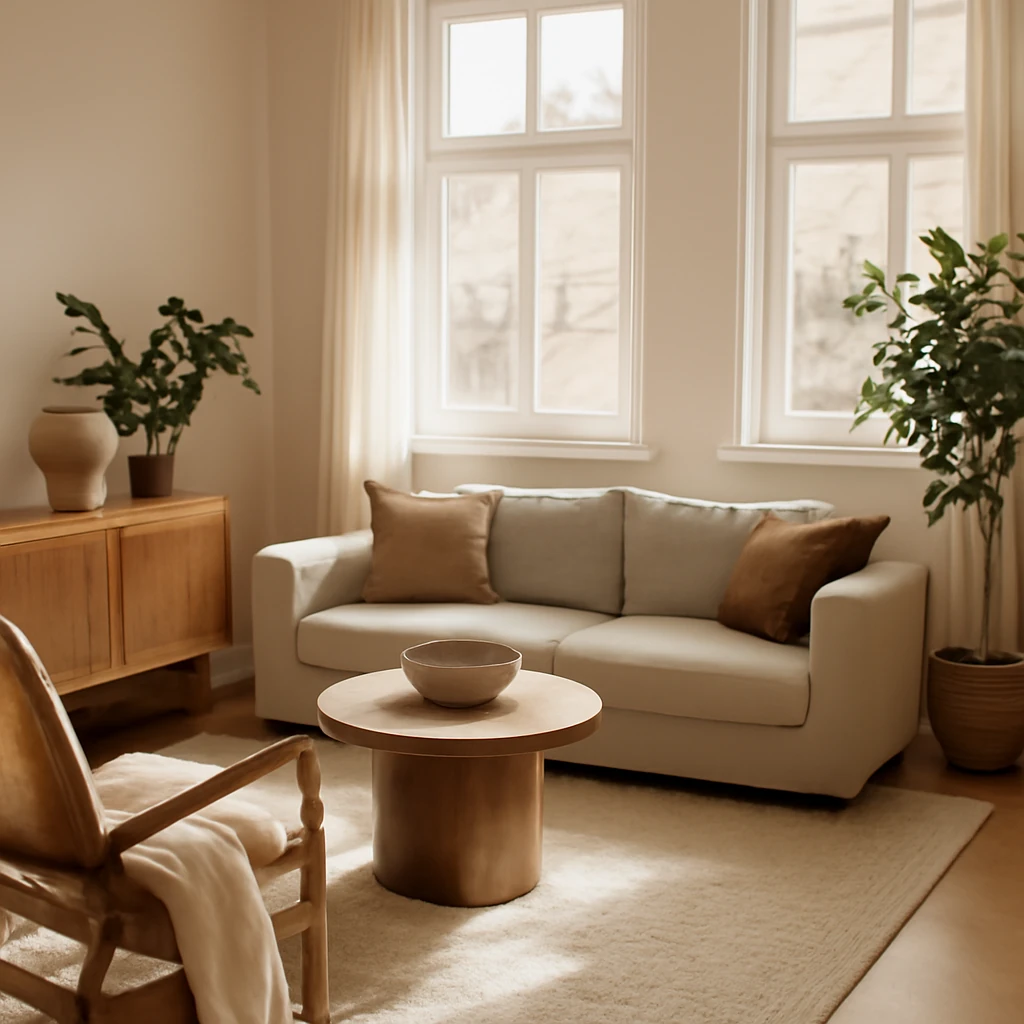
Introduction: a fresh approach to tidying across European homes
Decluttering is more than simply tidying surfaces. It is a practice that aligns your surroundings with how you want to live - calmly, intentionally, and with space to breathe. In compact city flats and in more generous European houses alike, a mindful method can turn routine cleaning into a thoughtful, restorative routine. This article outlines a practical, room‑by‑room approach designed for contemporary European life: the Serenity Sweep. It emphasises inward clarity as much as outward order, inviting you to name the feeling you want each room to evoke, and then let go of what no longer serves that aim.
The Serenity Sweep blends gentle self‑audit with pragmatic organisation, so you can make meaningful changes without overwhelm. It recognises that a home is not just a collection of objects but a centre for living - for work, rest, meals, play, and connection with others. By treating each space as a reflection of your inner state, you can create environments that feel purposeful, serene and adaptable to daily rituals.
Before you start discarding clutter, remember that the process requires patience, openness and mindful self‑analysis.
1. Start with the entryway: the doorway to your life
The entryway is the first impression and the last place you touch before stepping out or returning home. In many European homes, it doubles as a transition zone where coats, bags, footwear and parcels tend to accumulate. A well‑ordered vestibule sets the tone for the entire house and makes daily routines smoother.
Approach the entrance as you would a guest entering the home for the first time. Observe what draws the eye and what feels heavy. Remove items that never get used in this space, and think in terms of purpose rather than mere storage. The goal is not to empty every article, but to curate what genuinely supports daily life and rituals.
- Keep only truly necessary items: keys, a small wallet or bag, a rain cloak or jacket, and perhaps a compact shoe rack.
- Add a deliberately simple display: a vase with fresh flowers, a bright art print, or a compact mirror to illuminate the space.
- Create a fixed place for everyday conveniences and tuck receipts and loose papers into a designated bin or digital archive before you enter the home.
“The entryway should feel like a breath of fresh air - uncluttered, welcoming, and ready for the rest of the home to unfold.”
2. Create an atmosphere of rest in the living room
The living room is where family gathers, conversations take place, and guests are welcomed. It is often the most multifunctional space in a European home: a place for lounging, co‑working, reading, screen time and socialising. When clutter intrudes, the room loses its capacity to unwind and energise at the same time.
To reclaim calm, first observe the room as it is. Look for items that create visual noise: piles of magazines, promotional flyers sandwiched between books, or textiles that no longer feel comforting. Move, group or relocate objects so that the seating areas read as intentional retreats rather than storage zones.
- Dedicate a single space for media and paperwork, use a low, closed cabinet or a slim desk with a clear surface.
- Limit visual distractions by limiting the number of cushions, throws or art pieces on display.
- Ensure natural light and warm lighting can be adjusted to suit mood and activity, from conversation to film night.
“Physical clutter is merely an expression of emotional clutter we carry within.”
3. Designate a calm dining zone: space for nourishment and conversation
In many European homes, the dining area is not only a table for meals but a hub for family conversations, homework, and even casual work sessions. The dining zone benefits from a clearly defined boundary between eating and other activities, otherwise, the space can feel compromised and unfocused.
Begin by listing the activities you actually perform in this area: meals with family, schoolwork, crafts, or occasional remote work. Create separate storage boxes or baskets for each activity so items can be contained and hidden from the dining surface when not in use. This approach helps you keep the table clear during meals and makes it easier to shift into other tasks without creating chaos.
- Have a box for school items, a box for work materials, and a box for crafts or hobbies. Keep only the essentials on the table during meals.
- Label boxes clearly and store them in a dedicated cabinet or shelf away from the dining table.
- During meals, keep the surface clean and invite conversation and presence rather than distraction.
“In every room, see it as an extension of your emotional life - define three symbolic words that describe the atmosphere you want there.”
4. Free the kitchen of excess: clarity where meals begin
The kitchen is often described as the heart of the home. It should support efficient, joyful cooking and social connection rather than chaotic frenzies. European homes vary from compact galley kitchens to bright, open‑plan layouts, in all cases, the aim is to allow space for movement and to make frequently used tools and ingredients easy to access.
Start by assessing counters and surfaces. Are there appliances, gadgets or utensils that are rarely used or take up valuable space? Clear the counters to the extent possible, keeping only the items you truly rely on. Then plan a simple, delicious menu for the week and pull together the tools needed for that plan. As you do so, clear away anything not directly supporting the plan and ask yourself whether a given item is really essential for your cooking routine.
- Declutter surfaces to create a practical work zone with clear preparation space.
- Group items by function (pots and pans, baking, quick‑access ingredients) and store them accordingly.
- Practice a regular rotation: remove items that have become ornamental or outdated, and replace them only when truly necessary.
“Decluttering a kitchen is not about deprivation but about enabling space for nourishment, creativity and time with loved ones.”
5. Involve children through example and small, manageable tasks
In homes with growing children, the space can quickly fill with toys, clothes, and school projects. The most effective way to teach tidiness is by demonstration: show how to organise one small task at a time, then let children participate. Triumphs come from small, repeatable actions that build confidence and a sense of stewardship over personal belongings.
Choose one area to begin with - perhaps a toy shelf or a dresser drawer - and set a single, achievable goal. Reward progress and acknowledge effort. Children respond well to visible systems that make sense to them: bins with clear labels, colour‑coded boxes, or small drawers that house specific categories (cars, figures, blocks, art supplies).
- Assign a tiny task at a time to avoid overwhelm: for example, “put away this toy” or “fold these five items”.
- Model the behaviours you want to see: put things back in their place after use, and maintain tidy surfaces.
- Celebrate progress and keep expectations realistic to sustain motivation.
“The goal is to enjoy the process and feel the joy of progress, not to achieve perfection overnight.”
6. Create a focused workspace: declutter for clarity and productivity
Whether you work from home, study, or simply manage personal projects, the quality of your workspace strongly influences performance and mood. A cluttered desk tends to fragment attention, a clear, dedicated zone supports focus and efficiency. Start by separating tasks into categories and eliminate items that do not contribute to the current goal. Keep only essential tools, and consider digital over physical where possible to reduce paper clutter.
To begin, determine the primary objective of the space and the kinds of activities it will host. Then sort objects by usefulness, importance, and emotional significance. Create shallow storage for frequently used items and deeper storage for infrequently needed materials. Finally, design a system that can be maintained: weekly checks, a simple filing routine, and a small, empty surface on which you can place new tasks without overwhelm.
- Establish a clear boundary between work and living areas if possible.
- Sort belongings into categories by necessity and ease of access.
- Implement a simple end‑of‑day routine to reset the desk and prepare for tomorrow.
“Always start with a goal for the room or zone - identify items that do not align with that aim and relocate them to a box for later decision.”
7. Create a tranquil sanctuary in the bedroom
The bedroom is your personal retreat for rest, privacy and restoration. A calm sleep space requires less visual clutter, soft textures and a plan that supports winding down. Review what is on display and ask whether each item contributes to peace and relaxation. Replace overstimulating elements with ones that promote comfort, such as a favourite throw, a soothing scent, or a small project that makes the space feel special to you.
As you optimise, consider how you move through the room at different times of day: lighting, accessibility of a nightstand, and the ability to keep surfaces free from unnecessary objects. The aim is to create a sanctuary that welcomes sleep, deep breathing, and gentle transition from day to night.
- Remove or relocate items that spark visual noise or emotional unrest.
- Prioritise a minimal, comforting palette and materials that feel good to touch.
- Ensure essential items (lamp, book, glass of water) are within easy reach for a calming bedtime routine.
“We are big fans of before‑and‑after snapshots to remind ourselves of progress and growth.”
8. Elevate the bathroom: a fresh start to every day and evening
The bathroom is the place where daily rituals begin and end. In many homes, this space becomes crowded with products, bottles and towels that accumulate over time. A clear, well‑organised bathroom supports a peaceful morning and a relaxed night routine. Start by auditing products: keep only what you actually use and love, and discard anything past its prime or no longer needed. Group items by function and store them in a way that makes sense for your routine.
Adopt a simple triage routine to maintain order: identify items that align with your current goals, those you no longer use, and those that do not nourish your well‑being. This three‑question approach helps you resist impulsive purchases and keeps the space calm and useful.
- Keep essential items in easy reach, store duplicates and rarely used products out of sight.
- Assign a dedicated place for every category: skincare, haircare, cleansing, towels, and cleaning tools.
- Regularly review and refresh the products you keep, rather than letting the bathroom accumulate clutter.
“The idea of three gates can be useful for home decluttering: does this item align with my goals? Do I use it? Does it nourish my soul?”
Putting the Serenity Sweep into practice
Adopting a new decluttering method requires time, patience and commitment. Here are practical steps to integrate the Serenity Sweep into your routine without overwhelm:
- Set a realistic cadence: 15–20 minutes per day or a longer session every weekend for a single zone, rotating through spaces over a few weeks.
- Define three symbolic words for each space at the outset. For example, the living room might be described as calm, welcoming, and breathable, the kitchen as efficient, warm, and clutter‑free.
- Document progress with a simple journal or note - even a few bullet points per space can reinforce positive change.
- Establish routine rituals that keep order: a nightly 5‑minute reset, a weekly surface clearing, and a monthly audit of storage solutions.
- Involve others in the household with clear, simple tasks and shared goals. Reward progress and remain flexible as needs evolve.
European homes vary in size, layout and daylight - from narrow balconies to open‑plan rooms. The Serenity Sweep is designed to adapt: it is not about chasing perfection but about designing a home that supports authentic living. By honouring the needs of each room and the people who inhabit them, you create environments in which you can work, rest, entertain and thrive.
Conclusion: a sustainable, mindful habit rather than a one‑off project
Decluttering is best viewed as a continuous process of alignment. Each space should serve a clear purpose and contribute positively to your emotional and physical well‑being. The room‑by‑room approach outlined here helps you move with intention, reducing overwhelm and increasing satisfaction as your home reflects your evolving life in a European context. Start with one space, finish with another, and let the rest follow. The goal is not a perfectly arranged house but a home that supports the life you want to live - calmer, more intentional, and deeply yours.
You may also like these articles
 Outdoor & Terrace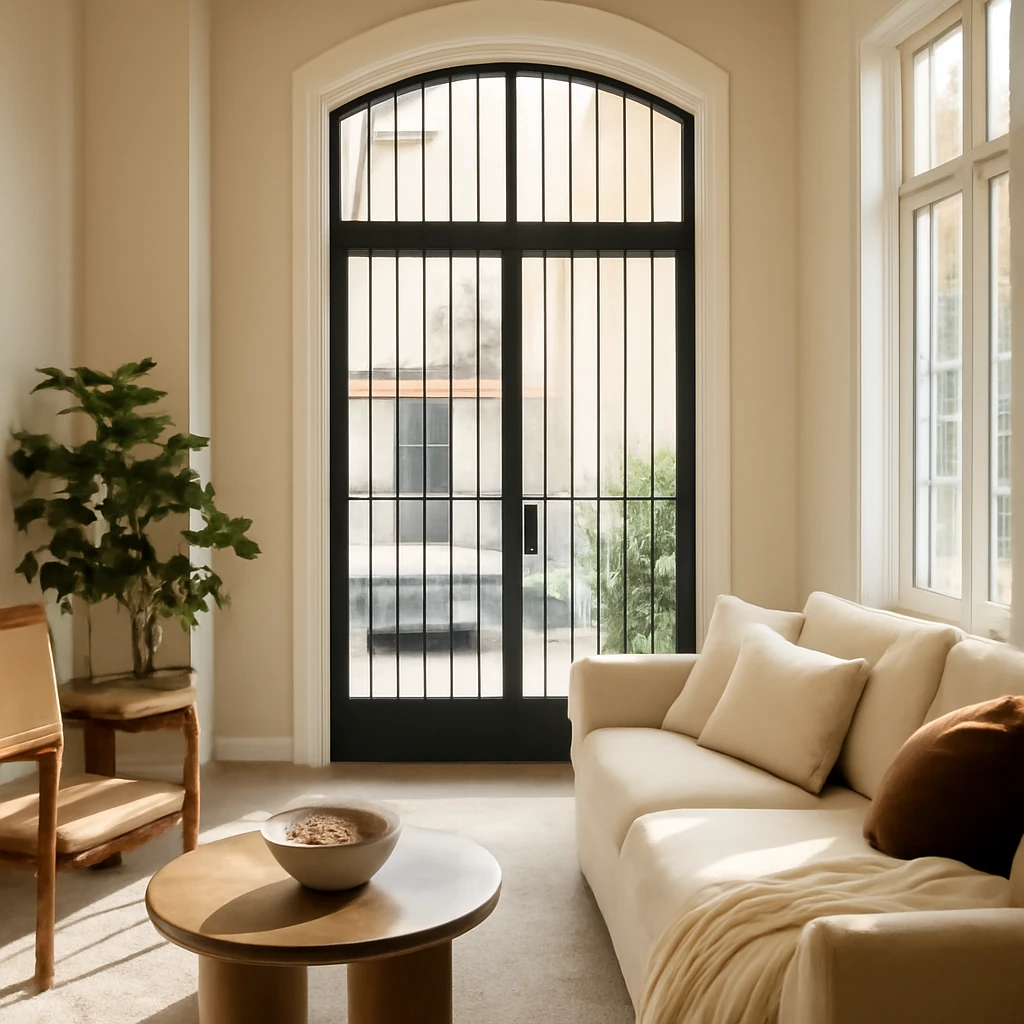
Gates and Entryways for European Homes: Modern Solutions for Style, Security and Practicality
A designer guide to gates, fences and entryways for modern European homes.
Renovation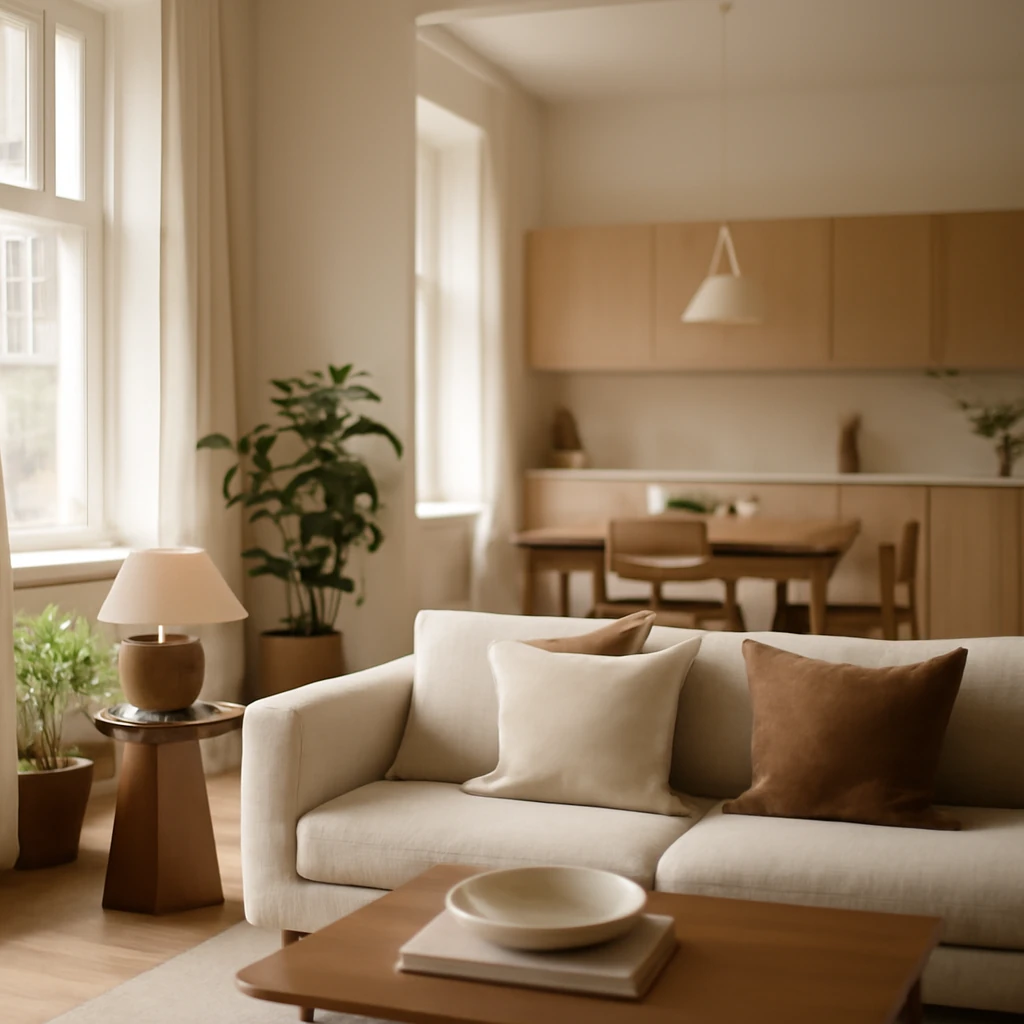
Calm, open-plan two-bedroom: a modern European renovation
A self-designed two-bedroom renovation with a serene palette and smart storage.
Renovation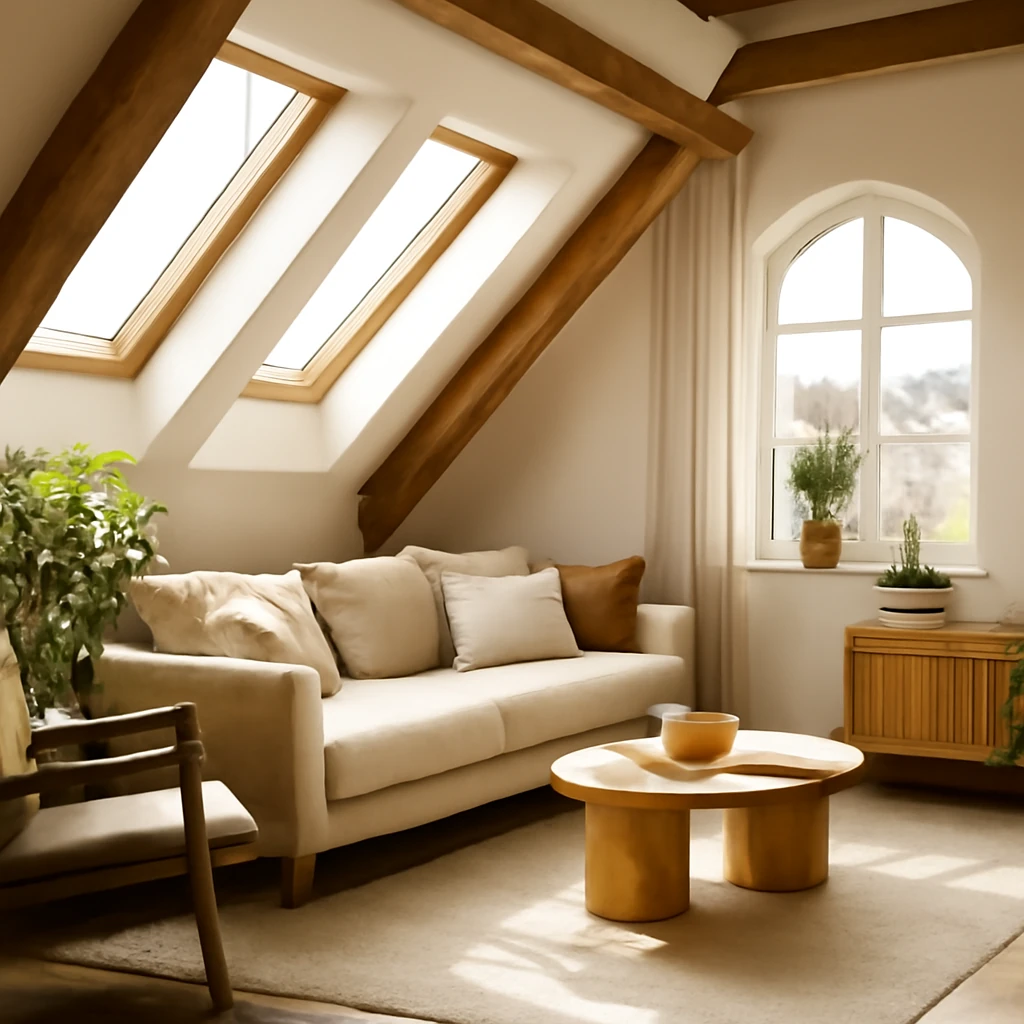
Attic Design in Europe: Room Types, Styles and Finishes
Transform under-eaves spaces into bright, liveable rooms with expert attic planning.