
Explore interior trends, AI design insights, styling guides and real transformations
Mouldings in Interiors: Framing Space with Timeless Detail
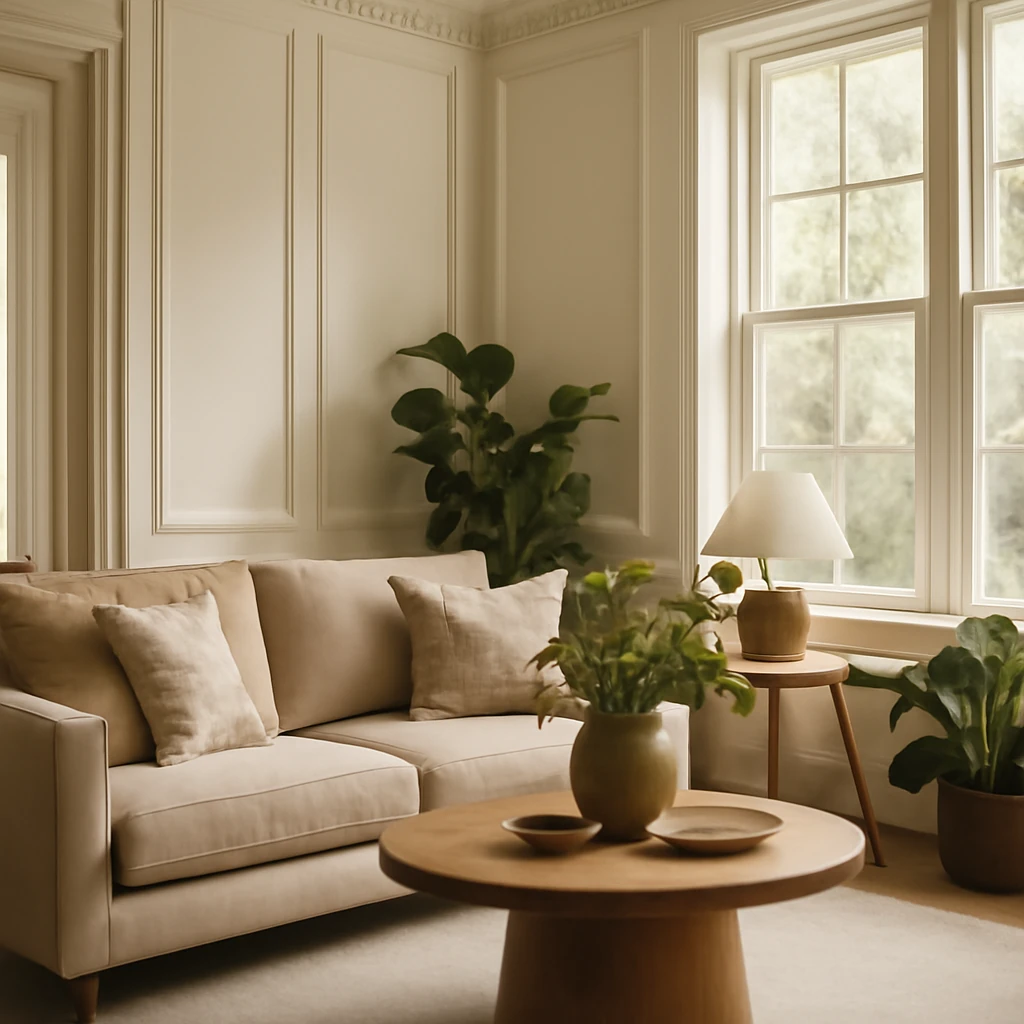
What are mouldings and why they matter
Mouldings, or decorative trims, are architectural details that can do more than ornament. In contemporary European homes they perform a trio of essential roles: aesthetic refinement, functional concealment, and spatial orchestration. A carefully chosen moulding can finish a room with discipline and character, hide imperfect edges or joints, and visually negotiate the proportions of a space without structural changes.
For designers working across cities from Riga to Valencia to Oslo, mouldings offer a flexible toolkit. They can soften a rigid grid, frame architectural features, and introduce rhythm into long walls. What’s more, they can be ordered and installed at a fraction of the cost of major renovation, while still delivering a refined, high-end impression.
- Aesthetic finish - mouldings create a crisp boundary that emphasises architectural details, adds depth to flat walls, and can be painted to harmonise with the room’s colour palette.
- Concealment - they neatly mask joints, transitions between materials, and even wiring or cables where visible wiring would otherwise disrupt a design.
- Zoning and proportion - a strategic arrangement of mouldings can visually divide a large space into zones or, conversely, make a smaller room feel more expansive by guiding the eye along a deliberate perimeter.
In practice, European projects demonstrate that mouldings work across a spectrum of budgets and styles. They are not the sole prerogative of grand interiors, even modest flats benefit from their architectural presence.
Key applications in residential design
Across contemporary European homes, mouldings are used in several reliable ways. Consider them as a modular toolkit for shaping light, space, and attention:
Framing windows and doors
Framings around window openings impart a sense of formality and refinement. A light, white window surround can make a frame look more substantial, while a darker or colour-matched surround can emphasise the window as a deliberate architectural feature. The frame helps to visually extend the window down to the sill and can create a perception of a taller ceiling by drawing the eye upward.
In practice, designers may continue the frame down to the floor, where the surrounding radiator or skirting boards interact with the perimeter to enhance perceived height and proportion.
Ceiling cornices for height and character
Wide ceiling mouldings or cornices can add a tactile contrast to a smooth ceiling, creating a sense of depth. In rooms with limited natural light, a white cornice can subtly reflect light and carve a tactile edge between wall and ceiling, helping the ceiling to feel visually higher. Used with care, ceiling mouldings can strike a refined balance between traditional craft and contemporary simplicity.
Wall mouldings for accents and depth
On feature walls, slim or mid-width mouldings can create a framed canvas for art, textiles, or wallpaper. When placed horizontally, they can widen a shallow room, when used to create a panelled look, they bring quiet structure to an otherwise flat surface. In mixed-material schemes, wall mouldings can help align the texture and pattern of wallpaper with the surrounding paint or plaster finish.
Materials and profiles
There are several practical material choices for mouldings, each with its advantages and trade-offs. The European market offers a broad range, from lightweight foams to solid wood, each suitable for different installation contexts and budgets.
By profile: narrow vs wide
Narrow mouldings are discreet and ideal for smaller rooms where a heavy trim would feel overwhelming. Wide mouldings create a strong decorative statement and are well suited to larger spaces or high ceilings. Profiles can be flat (plano) or convex (bulged) and may feature subtle fluting or repeating geometric patterns that read as contemporary or classical depending on context.
By placement: ceiling, wall, and corners
Ceiling mouldings sit along the junction of wall and ceiling to hide imperfect joints and add a crisp edge. Wall mouldings are applied horizontally, vertically, or as a grid to structure the wall plane. Corner mouldings are used to unify wall and ceiling transitions at corners or to accent door and window frames.
By material
European offerings cover a spectrum of materials, each with distinct performance:
- Polystyrene (EPS) - lightweight, inexpensive, water-resistant, and easy to install. Suitable for straight, flat profiles, less ideal where heavy impact is likely.
- High-density polystyrene - tougher than standard EPS, with improved durability while preserving light weight and ease of handling.
- Polyurethane - resilient, moisture resistant, and capable of handling curved or flexible forms, often used where radii or non-linear shapes are required.
- Wood or MDF - traditional and warm, offering natural texture but requiring more maintenance and sensitivity to moisture.
- Gypsum plaster - high detail and classic elegance, but heavier and typically installed by skilled trades.
- Metal - rare in typical homes but used in bold, industrial or showroom contexts for a contemporary edge.
In living environments across Europe, the most practical choice often depends on room humidity, expected wear, and whether a project is temporary or enduring. For rental properties, lightweight polyurethane or HD polystyrene can deliver a high-end impression with straightforward maintenance.
Mouldings across interior styles
Over the centuries, mouldings have bridged countless design movements. Today they function as a versatile layer that can be adapted to a wide range of aesthetics, from restrained Scandinavian interiors to opulent classical rooms.
Scandinavian calm - restrained relief
In Scandi-inspired spaces, mouldings are typically restrained and painted to blend with the walls. The effect is a quiet, legible texture that adds interest without competing with light, natural materials, or pared-back furniture. The emphasis remains on simplicity, light, and the tactile quality of surfaces.
Glamour and vignette mouldings
Glamour interiors often feature richly textured walls, ornate wallpaper, and high-contrast lighting. A moulding with a delicate pattern or vignette can act as a refined focal point, framing a wall display or a dramatic bed canopy. When used lightly, it can be the quiet seat of luxury without tipping into opulence.
Classical and neoclassical - framing the room
In traditional European homes, mouldings often frame the walls to create panelled effects that read as furniture legibility on a grand scale. Baguette-like cornices contrast with white walls and help articulate the room’s proportions, making ceilings feel more linear and rooms more dignified.
Contemporary approach - geometry over ornament
Modern designs often use mouldings to highlight geometry: clean lines, right angles, and minimal profiles. Rather than ornate repeating patterns, contemporary mouldings tend to celebrate the precision of their form, even when used to define a room’s zones or to create a visual grid on a feature wall.
Warm boho - wood-toned frames behind textures
In warmer, eclectic spaces, wooden or wood-toned mouldings behind a bed or along a display wall can connect the decorative with the natural. The grain and warmth of wood add tactility and can unify textiles, baskets, and ceramics into a cohesive narrative.
Provencal romance - vertical emphasis
Provencal-inspired interiors often employ vertical mouldings to suggest lightness and airiness. Paired with earthy whites and soft pastels, these profiles contribute to a sense of lightness and rustic charm, suggestive of traditional countryside interiors.
Modernist and contemporary geometries
Where spaces embrace minimalism, mouldings become quiet lines that define space without stealing attention. In such contexts, profile and finish are crucial: a matte, near-white surface can emphasise the room’s architecture rather than its trim.
Choosing mouldings for your space
To select mouldings that work in a European home, consider the following factors:
- Style compatibility - ensure the trim aligns with the room’s aesthetic, from the furniture to the wall finishes and flooring.
- Room size and ceiling height - in small spaces, opt for narrow profiles to avoid visual clutter, in rooms with high ceilings, wider, more substantial mouldings can add proportion and flair.
- Colour strategy - mouldings can be the same colour as walls for a seamless look, or contrasting to emphasise architectural detail. Subtle contrasts often feel refined in contemporary schemes.
- Material and durability - weigh installation complexity, maintenance, and cost. For kitchens and bathrooms, moisture resistance is important, for bedrooms and living spaces, warm wood tones or soft white finishes are enduring choices.
- Budget and longevity - mouldings are generally cost-effective compared with major structural changes, and they can be updated with paint or new profiles to refresh a room.
In practice, a well-considered combination of profiles and finishes can transform a space while preserving an elegant balance between craft and modernity. The key is to begin with a clear design brief: which zones require emphasis, which surfaces should be calm and which deserve attention, and how lighting will interact with trim to produce the desired mood.
How to install mouldings: a practical guide
Installing mouldings is a task well within reach for skilled DIYers or professional carpenters. The following checklist outlines a straightforward approach for most standard profiles.
- Tools you’ll need - tape measure, level, saw or miter box, adhesive suitable for your material, masking tape, a pencil, and a clean cloth for touch-ups. For heavier profiles, you may also require nails or pins and a nail set.
- Measuring and cutting - measure carefully and cut mouldings to length with clean, square cuts. For corners, use miter joints at 45° angles, for inside corners, cut angle matches the wall geometry.
- Adhesive application - apply a uniform layer of glue to the back of the moulding. Position it precisely and hold it in place with masking tape until cured. For higher durability, especially for heavier profiles, consider supplementary mechanical fixing in addition to adhesive.
- Leveling and alignment - use a spirit level to ensure the piece sits true to the wall or ceiling, small adjustments are easier to correct with the adhesive before curing.
- Drying and refinements - allow the adhesive to cure fully, typically 24 hours, before painting or finishing. Fill any gaps with flexible caulk or filler that suits the material.
When working in spaces with existing textures or wallpapers, ensure the surface is clean and dry. Lightweight polyurethane or high-density polystyrene mouldings work well on smooth surfaces, heavier wood or plaster trims may require a more robust fixing strategy.
Can you install mouldings on wallpaper?
Yes, with care. Light polyurethane or foam mouldings can be glued directly to wallpaper, provided the wallpaper is firmly adhered and dry. Follow these precautions:
- Ensure the wallpaper surface is clean and free of dust.
- Choose a compatible adhesive designed for wallpaper and mouldings.
- Reinforce the join with painter’s tape until the adhesive sets.
In spaces that experience higher humidity or where wallpaper may soften, consider attaching mouldings to the wall below the wallpaper seam, or using a backing board for added stability.
Painting and finishing mouldings
Painting mouldings is a straightforward way to change their impact. Here’s a practical approach:
- Prepare the surface - remove dust and grease, lightly sand glossy finishes to improve adhesion.
- Prime - apply a suitable primer for the material (wood, MDF, plaster, or foam) to create a uniform base.
- Paint - finish with at least two coats of the chosen colour. For a seamless look, use a brush for edges and a small roller for flat surfaces to avoid brush marks.
- Sealing - a clear sealant or protective topcoat can improve durability in high-traffic areas.
Colour choice matters. When painted in the same shade as the walls, mouldings read as architectural detail rather than trim. A slightly lighter shade on the moulding can emphasise panels, while a darker tone can carve out a strong silhouette on a stark wall - both approaches can read as intentional design statements in contemporary European homes.
Practical considerations and maintenance
Mouldings are relatively low maintenance but reward regular checks. Look for cracks at joints, peeling paint, or loose fixings, particularly around areas with fluctuating temperature or humidity. Repaint or re-glue as necessary. For kitchens and bathrooms, select moisture‑resistant materials and finishes that can withstand cleaning and steam without warping or staining.
In addition to performance, consider sustainability. Many European manufacturers offer mouldings made from recycled or responsibly sourced materials. If environmental impact matters to your project, specify products with a low VOC coating and certifications indicating responsible sourcing.
Common questions
- Are mouldings suitable for small spaces? Yes. Consider slim profiles, light colours, and consistent finishes to avoid visual clutter. When used sparingly, they can enhance a room without shrinking the feel of the space.
- How do mouldings affect acoustics? Lightweight mouldings in moderate profiles have negligible acoustic impact. Heavier, thicker profiles installed with substantial backing can slightly alter sound reflection, but this is generally minor compared with furniture and textiles.
- What about renovation projects? Mouldings are a practical, reversible design element. They can be removed and refreshed with minimal damage to walls, providing a reliable upgrade as tastes or lease terms change.
Putting it into practice: project considerations
In renovating a mid-sized urban apartment (around 50–70 m²), a thoughtful scheme might involve a restrained ceiling cornice in lighter rooms to carve the ceiling line, with wall panels introduced in the living area to create a subtle frame for seating arrangements or art. In a longer corridor or open-plan zone, horizontal mouldings can delineate spaces without introducing heavy visual barriers, maintaining an airy feel while guiding the eye through the space.
For a bedroom, consider mouldings around the headboard wall to create a soft, architectural focus without introducing bulky furniture. The same approach can be extended to a living room by framing a feature wall that houses a sofa, media unit, or a gallery of artwork. In a kitchen-dining area, light cornices along the ceiling can provide a refined edge, while budget-friendly wall mouldings define the dining zone in a calm, coordinated way.
Before you start: a practical planning checklist
To ensure success, begin with clear objectives and measurements:
- Define the zones that require definition or emphasis.
- Measure ceiling heights, wall lengths, and window/door dimensions to determine moulding lengths and joint layouts.
- Select a material and profile that align with the room’s humidity level, traffic, and maintenance expectations.
- Choose whether to match or contrast the mouldings with wall colour, and plan paint or finish accordingly.
- Estimate budget, including materials, adhesives, and potential professional labour for heavier profiles or complex corners.
Conclusion: the enduring appeal of architectural mouldings
Across Europe, decorative mouldings continue to offer a flexible and affordable way to sculpt space, heighten legibility, and express personality. They are not merely traditional features, when thoughtfully chosen and precisely installed, mouldings become a language of design - one that translates architectural intent into lived experience. Whether you favour a quiet, Scandi-influenced look or a more structured, neoclassical atmosphere, the right moulding can anchor your scheme, align with your furniture, and quietly elevate the everyday.
You may also like these articles
 Renovation
Gas pipes in European kitchens: 10 lawful design ideas for a seamless look
Balancing safety and style: compliant kitchen pipe décor across Europe.
Living room
Living rooms reimagined: planning private European homes
Expert guidance for designing and styling spacious European living rooms
Bathroom Design
Plan your bathroom like a pro: 11 layouts for European homes
11 smart bathroom layouts tailored for European homes.