
Explore interior trends, AI design insights, styling guides and real transformations
Shelves that Shape a Home: Style, Storage and Lightness
Introduction
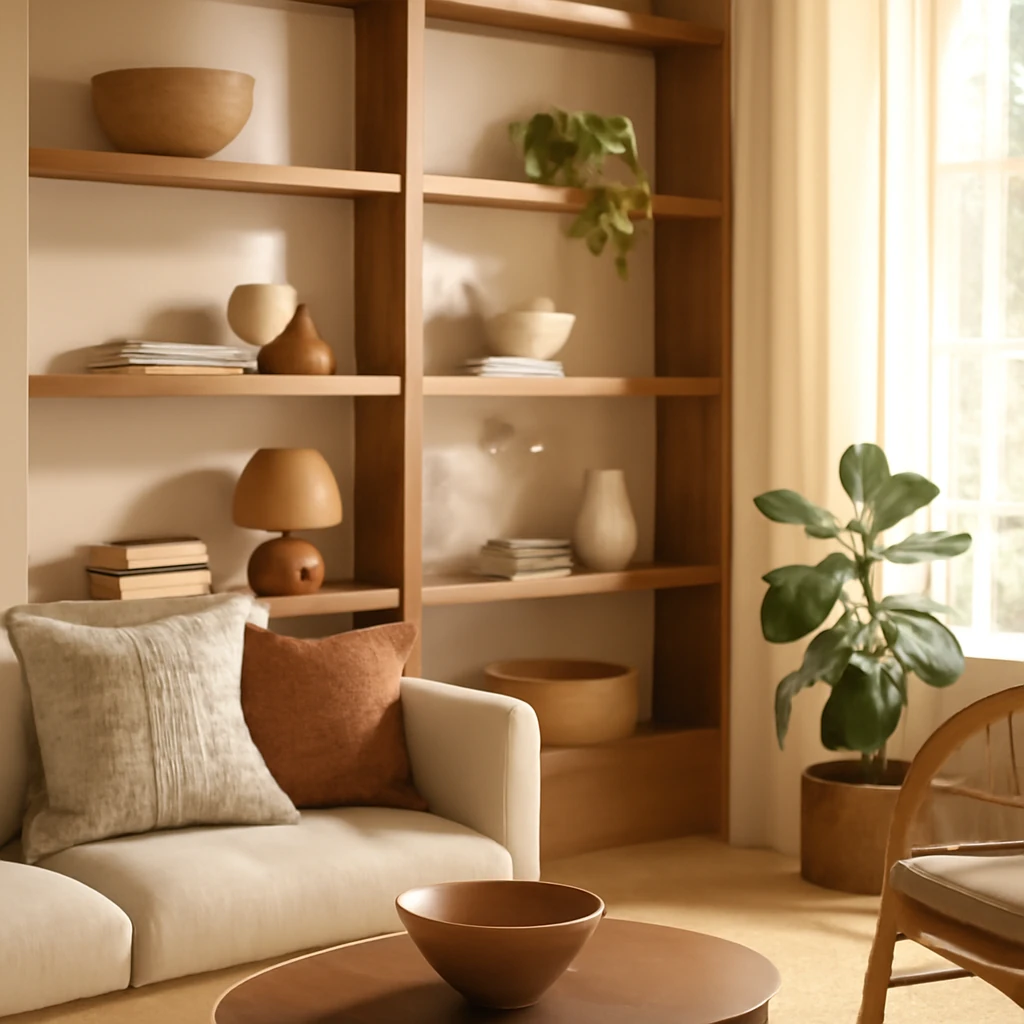
Shelves are among the most versatile and enduring elements in European interiors. Far from being merely a place to store possessions, well chosen shelves govern the rhythm of a space, influence lightness and flow, and offer daily interaction with our belongings. In compact city homes and generous country houses alike, shelves provide flexible storage, visual cues for organisation, and opportunities to curate a living wall that evolves with taste and needs. This guide explores how to select wall shelves for different rooms, how to mount them for safety and efficiency, and how to style them so they contribute to the overall design language of a home rather than simply filling wall space.
Whether you favour open systems that showcase objects and books, or closed configurations that hide clutter while preserving clean lines, the right shelving strategy can enhance daily life. In European homes, where living spaces often combine heritage architecture with contemporary lighting and furniture, shelves become a subtle but powerful architectural feature. The focus here is practical, design-led, and suitable for varied wall constructions, from plaster to solid masonry, with guidance on fixings, materials and maintenance.
Types of shelves
By storage type
Two broad families exist in shelving design: open storage and closed storage. Some systems blend both approaches to balance display with neatness. When planning a regime for a room, consider how the space is used, how much clutter you typically generate, and how frequently you need to access items.
Open shelves
Open shelves are the most common choice for lively interiors. They visually lighten walls, enable quick access to everyday objects, and enable decorative storytelling through colour, texture and form. A stack of carefully chosen books, a few ceramic vessels, or a line of small plants can create a compelling narrative. If you favour bright colour or bold shapes, open shelves can become a focal point rather than a mere storage solution. The caveat is that open storage invites visual noise and demands regular tidying, so plan for a consistent organisation strategy and consider grouping items by mood or hue to preserve calmness on the wall.
In practice, many designers space open shelves so that the most frequently used items sit at reachable heights, while decorative objects occupy higher or lower zones. Regular dusting becomes a habit, and using uniform storage containers or matching jars can help the shelves feel cohesive even when they hold a variety of objects.
Closed shelves
Closed shelves present a neater alternative. They consist of a cabinet or a hanging unit with doors that can be opaque or frosted glass, with the option to combine solid panels and glass inserts. The advantages are clear: less visible clutter, easier dust management, and a more controlled aesthetic. Closed shelving is especially useful in kitchens, bathrooms, and home offices where practical storage needs are high and a tidy appearance is prized. The trade-off is that you lose the instant visual impact of the objects inside, for this reason, many designers pair closed systems with a few open shelves to retain a sense of progression and display.
Mixed systems
Many contemporary interiors employ a hybrid approach that juxtaposes open and closed elements. For example, a wall of closed cabinetry can be punctuated by open, display-ready shelves at eye level. The choreography between concealed and exposed storage helps manage visual noise while preserving opportunities to celebrate beloved items. When planning mixed systems, aim for a consistent material palette and align edges so the arrangement reads as a single composition rather than a collection of disconnected modules.
By mounting method
The mounting method determines stability, ease of installation and the way shelves interact with room geometry. There are three main approaches commonly used in European interiors.
Wall-mounted floating shelves
Floating shelves are fixed directly to the wall with concealed fixings, giving a clean, minimalist profile. The absence of visible brackets makes these shelves feel lighter and more integrated with the wall plane, which is especially beneficial in small rooms or narrow corridors. When installing floating shelves, ensure the fixings are appropriate for the wall type - studs behind plaster, masonry anchors for solid walls, or wall plugs for plasterboard - with careful attention to weight distribution and evenly spaced supports. This approach is reliable for lightweight objects and medium weights, but heavier stacks require reinforced backing or additional supports to prevent sagging over time.
Practical placement and alignment are crucial. Use a spirit level to ensure shelves sit perfectly horizontal, and consider pegs or small support brackets concealed within the depth for extra reassurance on heavier loads. Aesthetic decisions include choosing a shallow or deeper silhouette, and selecting timber, laminate, or metal finishes that harmonise with adjacent furniture and the room’s lighting scheme.
Brackets or framed shelves
Shelves supported by visible brackets or frames offer a more tactile, traditional feel. This method can bear heavier loads and allows for a greater sense of permanence in a room. Brackets come in a wide range of finishes, from brass and blackened steel to powder-coated colours that coordinate with hardware across the space. If you favour a furniture-right-forward look, consider brackets that are integrated into a vertical panel or use a modular frame system that creates a continuous line along the wall.
In busy households, the framed approach can help scaffold a cohesive display plan. Group items by type or colour, and maintain a rhythm along the wall by keeping similar depths and edge alignments. Bracketed shelves also offer opportunities for lighting integration, with discreet LED strips running beneath a shelf or within the frame to create subtle ambience without glare.
Built-in recessed shelves
Built-in or recessed shelves are tasks in architectural terms, often created during construction or major remodels. They tuck away storage within wall cavities, reveal spaces around stairwells, or sit within alcoves. The result is a streamlined, high-end look that maximises floor area while delivering generous storage or display zones. Built-ins require precise planning, as their dimensions and load capacities are fixed by the wall structure. They work beautifully in libraries, bathrooms with niche storage, or entrance halls that need to feel expansive and ordered without adding freestanding furniture.
When designing built-ins, consider accessibility and maintenance access for cable routes, lighting, and ventilation. The aesthetic advantage is the lack of protrusion, which can make a room feel calmer and more spacious, particularly in smaller homes or narrow apartments.
By shape
Shape diversity keeps shelves visually interesting and can help fit odd wall spaces or architectural quirks. Here are the most popular formats you are likely to encounter or can commission.
- Straight - the classic, versatile choice that suits almost any room and pairs well with a wide range of objects. Straight shelves can be hung singly or in groups to create a gallery of horizontal lines across a wall.
- Corner - designed to fill awkward angles and corners, corner shelves make efficient use of space that would otherwise be wasted. They are ideal for small nooks, compact reading corners, or to frame a favourite chair with a small display.
- Ribbon - a continuous, irregular line that follows the contours of a wall or creates a dynamic sinuous form. Ribbon shelves are architectural statements that require thoughtful surroundings to avoid visual chaos.
- Honeycomb - a grid of lightweight compartments that can host a mix of books, plants, and objets d art. Honeycomb shelves work particularly well in contemporary or Scandinavian-inspired interiors, where they contribute texture without overpowering other elements.
- Circular - round units offer a playful, architectural twist. They are often used for small collections of decorative objects, vases, or statement plants and can become a surprising focal point in a living room or hallway.
By material
Materials influence durability, maintenance and the tactility of a shelf. Common European choices include solid timber or engineered wood with veneer, powder-coated metal, glass for lightness, and combinations that mix warmth with industrial edge. When selecting materials, consider the room’s humidity, exposure to sunlight and how easy it is to wipe down surfaces. For kitchens and bathrooms, choose moisture-resistant finishes and properly sealed edges. In living spaces and bedrooms, a timber finish or a warm-toned laminate can read as furniture-grade and contribute to a cohesive atmosphere across the room.
For sustainability, prioritise timbers certified by recognised schemes and finishes with low VOC content. A well considered material selection not only supports longevity but also aligns with responsible design practices across Europe.
Ideas for different rooms
No matter the size of your home, shelves can be adapted to each space. Here are practical concepts for commonly used rooms, with attention to everyday life and stylistic coherence.
Kitchen
Open shelving in the kitchen remains a frequent topic among interior professionals. It can be a practical alternative or a complementary solution to upper cabinets, depending on cooking style and storage needs. If you cook regularly, ensure shelves are placed at a comfortable height to avoid constant reaching and to keep frequently used items within thumb reach. Use open shelves for crockery, glassware, spices and aromatic ingredients that add character to the cooking zone. Pair with a minimal set of decorative pieces such as a vase or a small cookbook, while keeping most of the space uncluttered to preserve hygiene and ease of cleaning. For a lived-in yet tidy look, use uniform storage jars for ingredients and invest in a consistent colour palette for containers and canisters.
Practical considerations include moisture resistance in the splash zone, easy-to-clean finishes, and secure anchorage to prevent wobble when the door of the cabinet closes. Built-in or recessed options may be appropriate in larger kitchens, where a wall can host a sequence of shelves integrated with a pantry or a coffee station, creating a dedicated zone for daily rituals without encroaching on other work areas.
Living room
The living room often acts as the design centre of a home, where shelves can perform both decorative and functional roles. Closed storage units can anchor media walls while open shelves above the sofa or near a reading chair invite books, plants, and carefully chosen artefacts to form a narrative. For family spaces, ensure shelves are securely fixed and capable of bearing weight, particularly if you intend to display heavy books or plan to position tall plants. A combination of wall-mounted displays and low cabinets can offer a harmonious balance between display and storage. Consider aligning shelves with wall lights or ceiling coves to create subtle vertical or horizontal accents that guide the eye through the room.
To avoid a cluttered feel, group objects by colour, texture or scale. Use a limited palette for smaller items and reserve bold pieces for a single vignette against a calm backdrop. Regular reassessment of what is displayed helps keep the wall visually fresh and aligned with changing tastes or seasonal décor.
Bedroom
Shelves in the bedroom often function as an extension of the bedside zone or as a workspace in a compact suite. You might install a set of shelves beside the bed to serve as a minimal headboard display or to store a small library of favourite reads. When space is tight, consider a shelf that doubles as a headboard or a recessed ledge that sits flush with the wall. For a relaxing atmosphere, limit the number of bright or high-contrast objects near the sleeping area to preserve a calm, retreat-like ambience. If a study corner is part of the bedroom, ensure shelves around the desk area are at ergonomic heights and do not intrude on circulation space.
Soft textures and warm finishes work well in sleeping areas. Combine natural wood with textiles in complementary colours to create a cohesive, restful vignette. Consider integrating indirect lighting under shelves for gentle illumination that enhances mood without glare.
Children’s room
Shelves in a child’s room should prioritise safety and accessibility. Place lower open shelves for frequently used items such as books, toys, and puzzles at reachable heights. Use closed storage for items not suitable for independent access or that require supervision, such as small pieces or delicate toys. When children grow, adapt the height and grouping to support independence and responsibility. Secure heavy or tall shelving to the wall and ensure corners are rounded or padded to reduce the risk of injury. Bright colours and playful shapes can stimulate imagination, but maintain a cohesive base colour to avoid visual chaos as the room evolves with the child’s needs.
In practice, a shelving module that grows with the child - comprising adjustable heights, modular boxes and a small display ledge for achievements - can be a long-lasting solution. Pair these shelves with a durable desk area where children can draw, read and play without compromising their safety or the room’s organisational system.
Bathroom
In smaller bathrooms, open shelves can substitute for vanity storage and towel rails, especially around the shower or above the basin. Choose moisture-resistant materials and finishes designed for damp environments. Niche shelves within wet zones should be sealed and easy to clean, while floating or recessed shelves avoid cluttering floor space, which is often at a premium in compact quarters. Consider placing shelves for toiletries in shallow depths so items remain within easy reach and can be wiped down quickly after use. Decorative items should be kept to a minimum to avoid humidity-sensitive pieces suffering over time. A small plant or a sealed container of cotton pads can provide a spa-like feel without compromising practicality.
Entrance and corridors
The hallway or entrance is where shelves can prove their worth immediately. A slim, tall unit with a shallow depth can hold keys, sunglasses, mail, and small essentials without obstructing movement. Consider a built-in display to showcase a favourite travel piece or a compact wardrobe with drawers beneath for jackets and shoes. In long corridors, a continuous line of thin shelves can create a sense of procession and purpose, guiding visitors through the home and setting the tone for the interior language that follows.
Practical considerations
Good shelving design begins with accurate assessment of the wall and its supports. The following checklist helps ensure safety, longevity and visual harmony in any European home.
- Wall type and fixings: determine whether the wall is solid masonry, plaster with lath, or drywall. Choose fixings accordingly, masonry anchors for brick or concrete, or stud-based systems for plasterboard where available. If in doubt, use professional hardware and consult the manufacturer’s load ratings.
- Weight distribution: distribute weight evenly across the shelf, avoiding heavy, sharp-edged items at the ends. For tall stacks or heavy books, consider additional support or reinforced backing to prevent sagging over time.
- Height and alignment: plan shelving at ergonomic heights for typical users. Ensure alignment across multiple units to maintain a coherent, orderly appearance and reduce visual tension.
- Spacing with furniture: allow for clearance around doors, seating, and window sills. Shelves should complement, not overcrowd, surrounding furniture and pathways.
- Maintenance and dust: open shelves collect dust quickly, choose finishes and containers that are easy to wipe. Regularly adjust or re-group displays to keep surfaces pristine and engaging.
- Safety for children and pets: secure tall or heavy units to the wall and use soft-close doors or stops to minimise finger-trapping hazards.
- Lighting integration: incorporate lighting where possible. Subtle under-shelf LEDs or mission-specific uplights can dramatically improve visibility and ambience without adding clutter.
Styling and maintenance
Styling shelves is an opportunity to articulate a room’s personality while maintaining practicality. Here are guidelines to help you build cohesive, enduring displays.
- Colour and material harmony: coordinate shelf finishes with adjacent furniture, floor coverings and metal hardware. A unified palette helps the wall become a deliberate design feature rather than a random assortment of objects.
- Scale and rhythm: vary the height and depth of objects placed on open shelves to create visual rhythm. A single tall plant beside a stack of books, for example, reads more intentionally than multiple identical objects.
- Grouping strategy: group objects by colour families or by function. Avoid crowding, leave negative space to give each item its own moment of attention.
- Display logic: items of personal or seasonal significance may be rotated in and out to keep the wall feeling fresh. Rotate 1 to 3 items at a time to preserve a balanced composition.
- Storage efficiency: for open shelves used for everyday items, use uniform containers for dry goods, bathroom products, or craft supplies. A tight, cohesive inner system makes even busy shelves look refined.
Materials, sustainability and European standards
Choosing materials with environmental and health considerations in mind is part of responsible design. Seek timber that is responsibly sourced and finished with low volatile organic compound emissions. Where possible, select cabinetry and shelving designed for longevity, with replaceable components and durable hardware. European designers often favour modular systems that can be updated or reconfigured over time, reducing waste and extending the life of the shelving scheme. In addition, look for products that comply with local safety and indoor air quality guidelines, which can help ensure the interiors you inhabit stay healthy and comfortable for years to come.
Practical tips for planning your shelving project
Before you purchase materials or fixings, take measurements, create a scale plan of the wall, and list items you intend to display or store. A design sketch or mood board can help you visualise the final arrangement, and it gives you a chance to consider how shelves will interact with natural light and artificial lighting. Here are a few practical steps to get started.
- Assess wall conditions: check whether walls are suitable for direct anchoring or require special backing. For older buildings, you may need to patch plaster or reinforce with battens to support weight.
- Choose a system first, then buy: select a mounting method and depth that suits your most common objects before purchasing modules. This helps you avoid mismatched proportions and gaps in the wall.
- Plan for growth: if shelving will support growth in libraries or collections, use adjustable shelving or modular components that can be reconfigured with minimal disruption.
- Test the display: lay out items on the floor first to test balance and spacing. This avoids multiple rehangs and makes installation more efficient.
- Smart integration: consider how shelves can house not only displays but also essential technologies like charging docks, routers or streaming devices in a tidy, discreet way.
Wrap-up
Shelves offer a practical, beautiful way to organise space while reinforcing a room’s character. By understanding the types, mounting methods, and room-specific needs, you can design shelving that is not only functional but also aesthetically enduring. In European homes, where architecture and furniture styles vary from minimal to richly layered, shelves can bridge traditions and contemporary living, turning walls into active, living surfaces rather than passive backdrops. Start with a clear plan, select appropriate fixings for your wall, and curate objects with intention. The result is a wall that is as conclusive a design statement as any sofa or rug, and as flexible as daily life requires.
You may also like these articles
 Tips & How-To
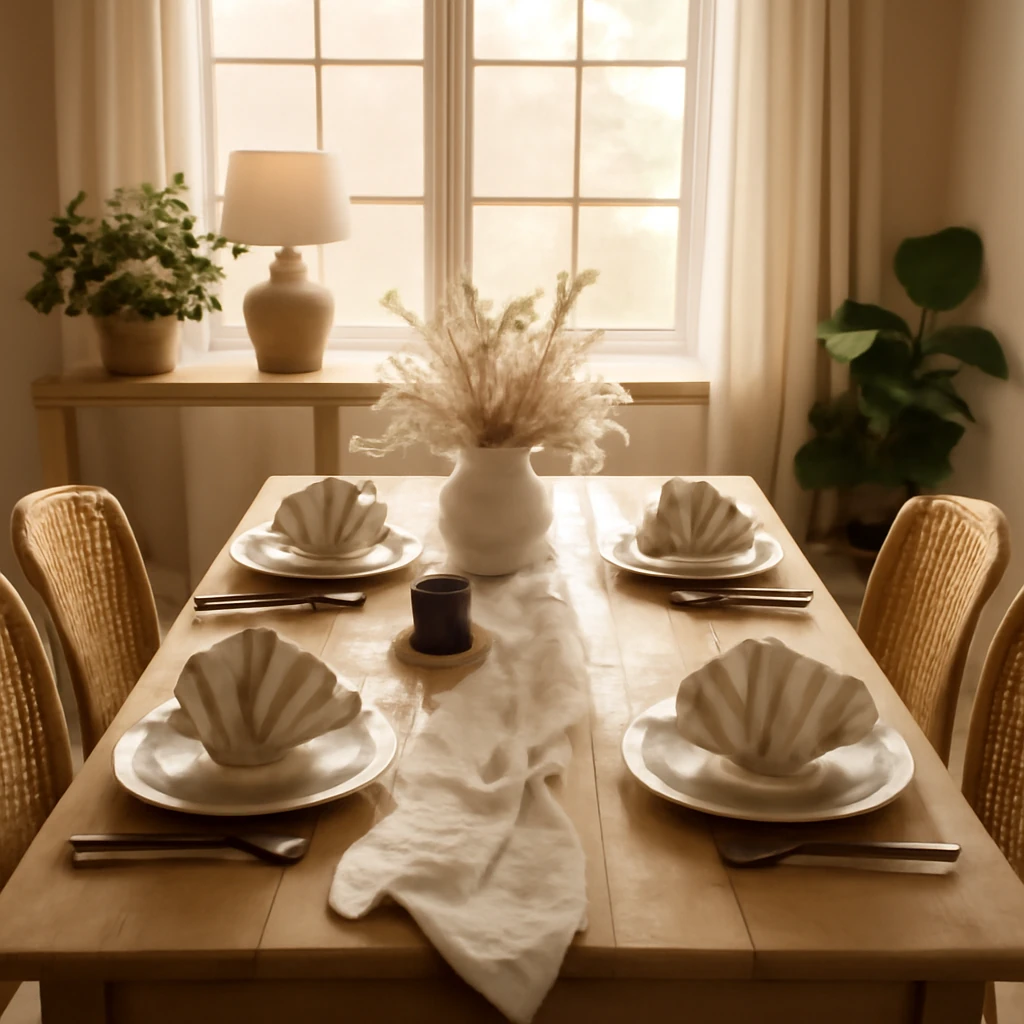
11 Elegant Napkin Folds to Elevate Your Festive Table
Master 11 stylish napkin folds to transform festive tables across Europe.
Interior Design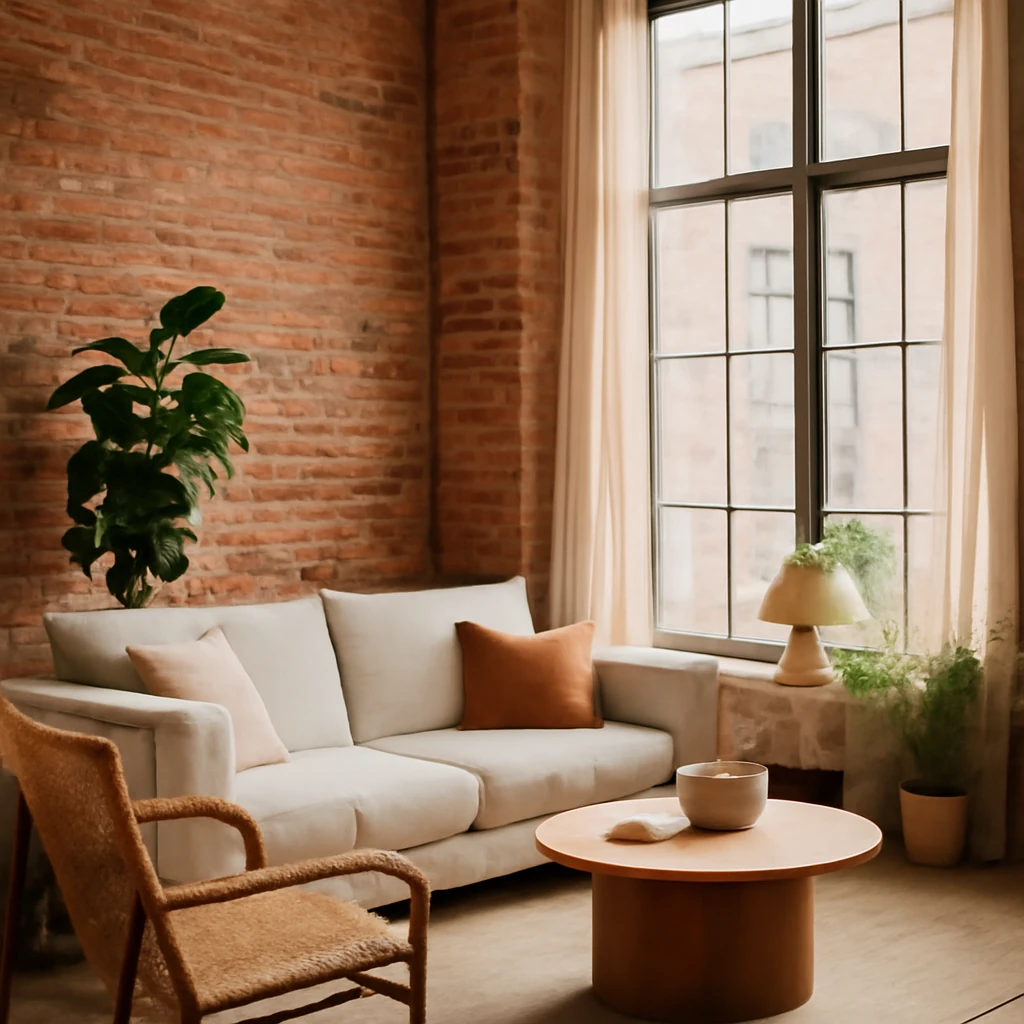
Industrial style interiors in Europe: brick, steel and warmth for every home
Practical guide to industrial style for European homes, from materials to lighting.
Tips & How-To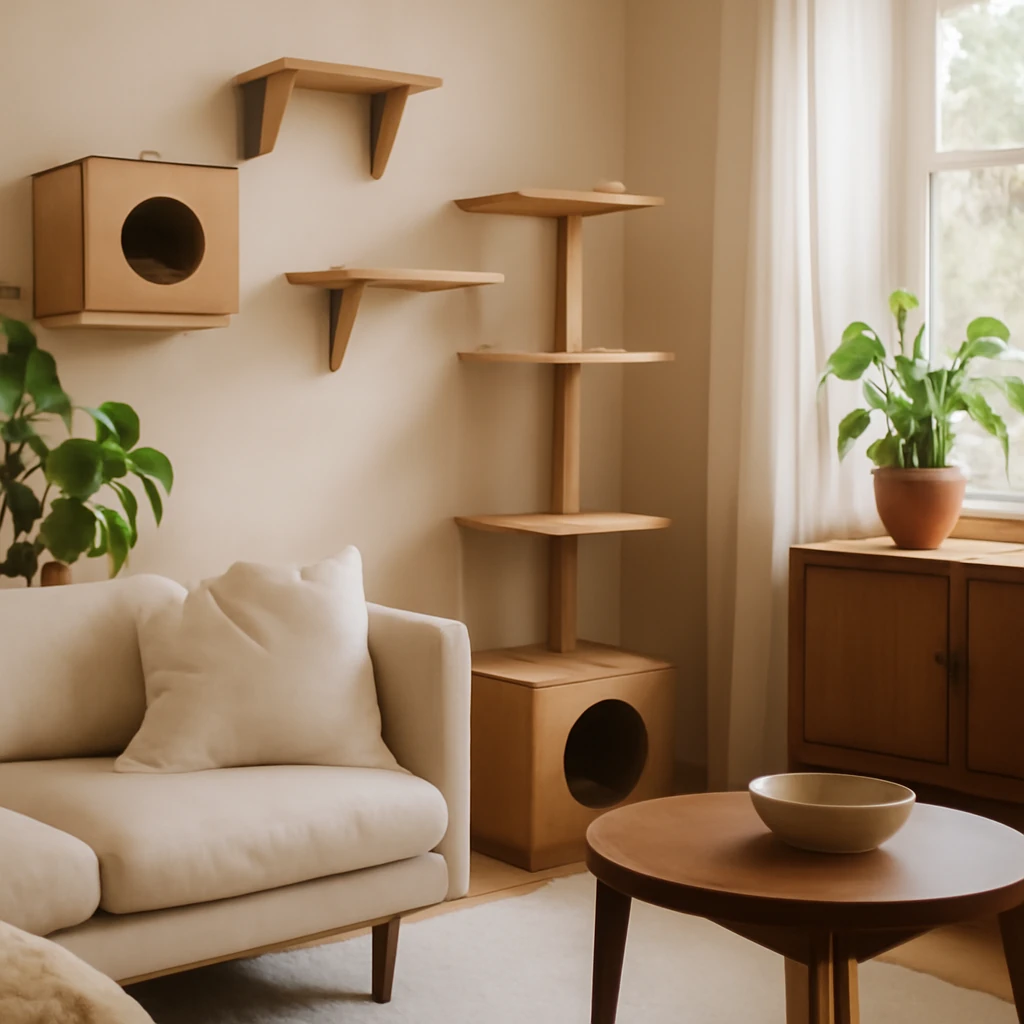
Designing modular, cat-friendly interiors: a European DIY guide to feline furniture
A stylish, space-saving DIY guide to cat furniture for European homes.