
Explore interior trends, AI design insights, styling guides and real transformations
Six elegant ways to decorate the wall above the dining table
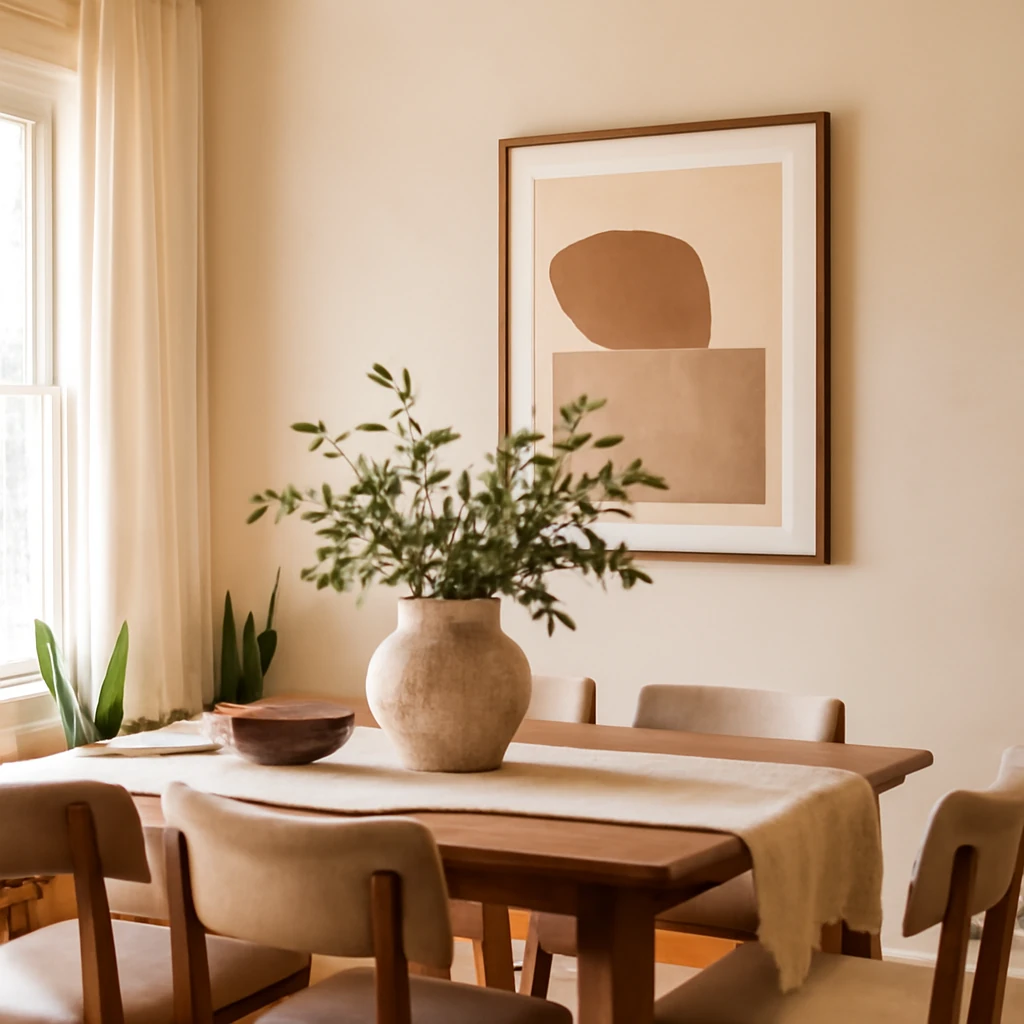
Why the wall above the dining table matters
The wall above the dining table is more than a backdrop. It helps define the dining zone, sets the mood for mealtimes and unifies the room’s palette with the furniture and textiles nearby. A well-considered display can elevate everyday meals into a considered ritual, while a poorly planned arrangement risks visual clutter and fatigue. The aim is to achieve balance: a wall that feels intentional, protective of the wall finish, and easy to update as tastes or seasons change.
Where to place the dining area
European homes vary from compact city flats to spacious family houses, and the location of the dining area influences how you decorate. Open-plan layouts are common, with dining zones adjacent to kitchens or living spaces. Kitchens bring moisture and variable temperatures, whereas living rooms offer calmer walls that tolerate more dramatic art and heavier frames. Consider these practical distinctions before committing to a look:
- In kitchens, choose materials and finishes that are moisture- and stain-resistant, and fixings that won’t degrade with humidity. Cleanability is essential, avoid delicate fabrics or porous surfaces near steam, splashes or heavy use.
- In living areas, you can prioritise aesthetics and experimentation. Here the wall can support larger statements, bolder palettes, or a gallery of various textures, as long as you keep a shared thread.
- Scale and proportion matter in every space. For compact rooms, smaller, well-framed pieces or a carefully curated diptych will feel intentional without crowding the wall. In larger rooms, a single oversized work or a tightly edited gallery can become a confident anchor.
Decor ideas
Below are six versatile strategies that work across European interiors. They are designed to be mixed and matched, depending on your style, budget and the wall’s dimensions.
Paintings and posters
Art is the most direct route to giving the dining zone a personality. Start with a single statement piece or build a modest gallery around a colour story. A rule of thumb: a single painting should be about half the table’s length, for a 150 cm table, aim for a work around 75 cm in its longest dimension. For smaller spaces, smaller artworks can prevent the wall from feeling crowded, while a deliberately oversized piece can create a strong focal point when space allows. If you prefer a more modest display, two or three works in a cohesive sequence can achieve the same effect.
- Two or three works: arrange them horizontally to widen the space, or vertically to draw the eye upward. Ensure the frames feel related - either identical or linked by a shared motif or colour - so the group reads as a single installation.
- Gallery wall: curate numerous pieces around a theme, such as botanicals, abstract studies, or still lifes. Keep a consistent rhythm - equal gaps between frames and a shared alignment height helps the display feel deliberate rather than haphazard.
- Framing and mounting: use picture rails or ledges to allow easy rearrangement without new fixings. If you must fix directly to plaster, opt for non-invasive solutions or removable adhesives to protect the wall.
Two or three artworks
For both small and large dining areas, a curated trio can be highly effective. Varying sizes within a cohesive frame language creates interest while preserving order. When hanging two or three works, align their centres at eye level and keep the frames in a common family of finishes. If you work with a large frame, the piece can stand alone with minimal other decoration nearby.
Gallery wall
A gallery wall celebrates abundance. The approach works well in contemporary, Scandinavian and eclectic interiors. Consider these guidelines to keep the display harmonious:
- Theme and colour: grouping works by a shared palette or narrative creates unity even when individual pieces differ.
- Frames: you don’t have to use the same frames throughout, but ensure the overall arrangement feels cohesive. In more relaxed rooms, varied frames can add charm, in restrained spaces, unify with matching frames or a narrow matting.
- Media mix: avoid mixing painting and photography indiscriminately. Sticking to a single discipline (for example, paintings only) often reads more deliberately in a dining space.
- Planning: collect a selection of images before hanging. If you are building a collection, sketch how new works will integrate with the wall to avoid creating a patchwork that doesn’t relate to the room.
- Layout: a symmetrical grid works well in formal spaces, an offset arrangement can inject energy and movement into more casual interiors.
Mirror
A mirror above the dining table is a crisp, contemporary option that can enlarge a small room and bounce light around. If placed in a kitchen, ensure the mirror is heat resistant if it will be near the hob or the oven. You can choose a classic round mirror or a mosaic-style panel for a more sculptural edge. Keep the frame simple to allow the reflection to do the design work, or opt for a bold frame as a ready-made statement.
Shelves and display ledges
Open shelves above the table fuse display with practicality. They’re ideal in kitchens and open-plan spaces, where storage and surface area are at a premium. A few well-chosen items - matching storage jars, slender ceramics and a plant or two - keep the wall feeling calm. If shelves double as a display for plates or bowls, select uniform storage solutions to maintain a neat silhouette. Combine shelves with art or small clocks to create a dynamic but orderly composition.
Clocks
A clock acts as a functional sculpture. Choose a design with a clean, timeless silhouette for a modern interior, or a crafted, architectural form for more character. The clock’s diameter should be in scale with the wall and the dining table: a large clock can function as the primary focal point, while a smaller one can sit comfortably among other pieces. Match the metal or wooden tones of the clock with trim, lighting hardware or cabinet finishes to tie the display together.
Dishes and tableware as wall decor
Displaying plates and bowls is a nod to European dining heritage. Plates can be arranged on a wall rail or mounted on shallow supports. Colour and form should remain cohesive: mix only similar materials (for example, porcelain with subtle glaze) and avoid mixing too many styles. A uniform colour family - perhaps all-white with delicate patterning - lets the silhouettes do the talking. When wall-mounting crockery, consider a system that allows easy rotation so you can refresh the look without making new holes in the wall.
Finishes and wall treatments
Sometimes the wall itself is the decoration. Textured plaster, decorative paints, or a carefully chosen wallcovering can set the tone for the whole dining zone. In kitchens, moisture resistance and easy maintenance trump drama. Options include washable wallpapers with subtle patterns or ceramic tile effects, moisture-resistant panels finished in a colour that complements cabinetry, or wood-look panels that resist humidity while bringing warmth. If you favour a bold look, a brick slip can create a durable statement, if you prefer a softer ambience, go for a muted plaster finish with gentle texture. Remember that almost all finishes will require some cleaning and care, especially in food preparation areas.
Lighting and display: how to highlight the wall
Lighting is a critical companion to wall decoration. A well-lit display makes artwork, shelves and mirrors sing, while avoiding glare on glass surfaces. Consider a layered approach:
- Ambient light: a dimmable ceiling light or track lighting that softly washes the wall provides a reliable base level of illumination.
- Accent lighting: picture lights, wall-mounted sconces, or low-profile LED strips can spotlight specific pieces or sections of a gallery wall without creating harsh shadows.
- Task considerations: ensure lighting does not reflect off the dining table or flash directly into diners’ eyes. If your dining area is used at different times of day, flexible lighting that can be adjusted is highly advantageous.
Planning and execution: a practical 10-step guide
- Assess the space: measure the wall, table length, ceiling height, and the distance to any nearby furniture or architectural features.
- Define function: decide whether the wall will be decorative, or a dynamic display that you will adjust seasonally or annually.
- Set a budget: determine how much you want to invest in artwork, fixings, lighting and wall finishes.
- Collect references: build a digital or paper mood board with colour swatches, textures and sample materials to guide decisions.
- Plan the layout: draft several layouts on grid paper or using cut-out paper shapes to represent different artworks. Test different spacings and alignments.
- Choose fixings: for lightweight frames, picture hooks may suffice, for larger works, use picture rails or wall rails with adjustable supports, thick shelves or wall panels may need concealed fixings attached to studs.
- Prepare the wall: if the wall is plaster, locate studs where required, patch any superficial damage, prime and paint if you are changing the background colour.
- Install progressively: begin with the anchor piece that helps define the layout, then add surrounding pieces and shelves, checking alignment with a spirit level.
- Test for practicality: once mounted, ensure nothing protrudes at table height and that there is enough clearance for place settings, chairs and hands.
- Review and refresh: after a few weeks, evaluate the arrangement, rotate a few pieces to refresh the scene and keep the wall looking integral without new drilling.
Small spaces and optimised plan solutions
In compact European apartments, clever use of vertical space is essential. A tall mirror opposite a window will reflect light and extend a room, narrow display ledges can hold a rotating selection of artworks or favourite ceramics without crowding the floor. Consider a unified palette across wall and furniture to give the impression of order, even when space is at a premium. For kitchens, a slim, moisture-resistant wall panel in a pale finish can serve as a durable backdrop for both cooking activity and dining decor while keeping maintenance straightforward.
Maintenance, safety and longevity
Good maintenance habits preserve the look of the wall display and prolong its lifespan. Periodically check fixings for weight shifts, especially in homes with children or active pets. Clean frames and glass with a soft cloth and appropriate cleaners, avoiding strong solvents near painted surfaces. If you use wallpaper or wall coverings in a kitchen, select washable options that stand up to humidity and steam, and avoid textiles that absorb odours or moisture. For heavy or valuable works, consult with a professional conservator or installer to ensure secure mounting and safe handling. Finally, keep a small set of spare fixings on hand so that when you refresh the arrangement, you can do so without making new holes in the wall.
Conclusion: the wall as a design asset
With thoughtful planning, the wall above the dining table becomes more than a background, it becomes a flexible, living element of your interior. By balancing function with beauty, choosing materials suited to the room, and arranging pieces with intention, you create a dining zone that is both practical for everyday life and expressive of personal style. In European homes, where families often share open spaces and frequently reassemble areas for gatherings, a well-planned wall display can adapt across seasons, moods and accents, staying fresh while complementing the furniture and architecture that define the room.
You may also like these articles
 Small Spaces
Two Kids, One Room: A European Guide to Shared Bedrooms
Smart, scalable design for two kids sharing a compact European bedroom.
 Trends
Kitchen Curtains 2025: Trends, Styles and Fabrics Across Europe
A European guide to 2025 kitchen curtains: trends, fabrics and care.
Tips & How-To
Urgent home repairs: how to hire a tradesperson with confidence
A practical guide for European homes on urgent repairs, pricing, and safety.