
Explore interior trends, AI design insights, styling guides and real transformations
Creating Calm in Contemporary European Bedrooms
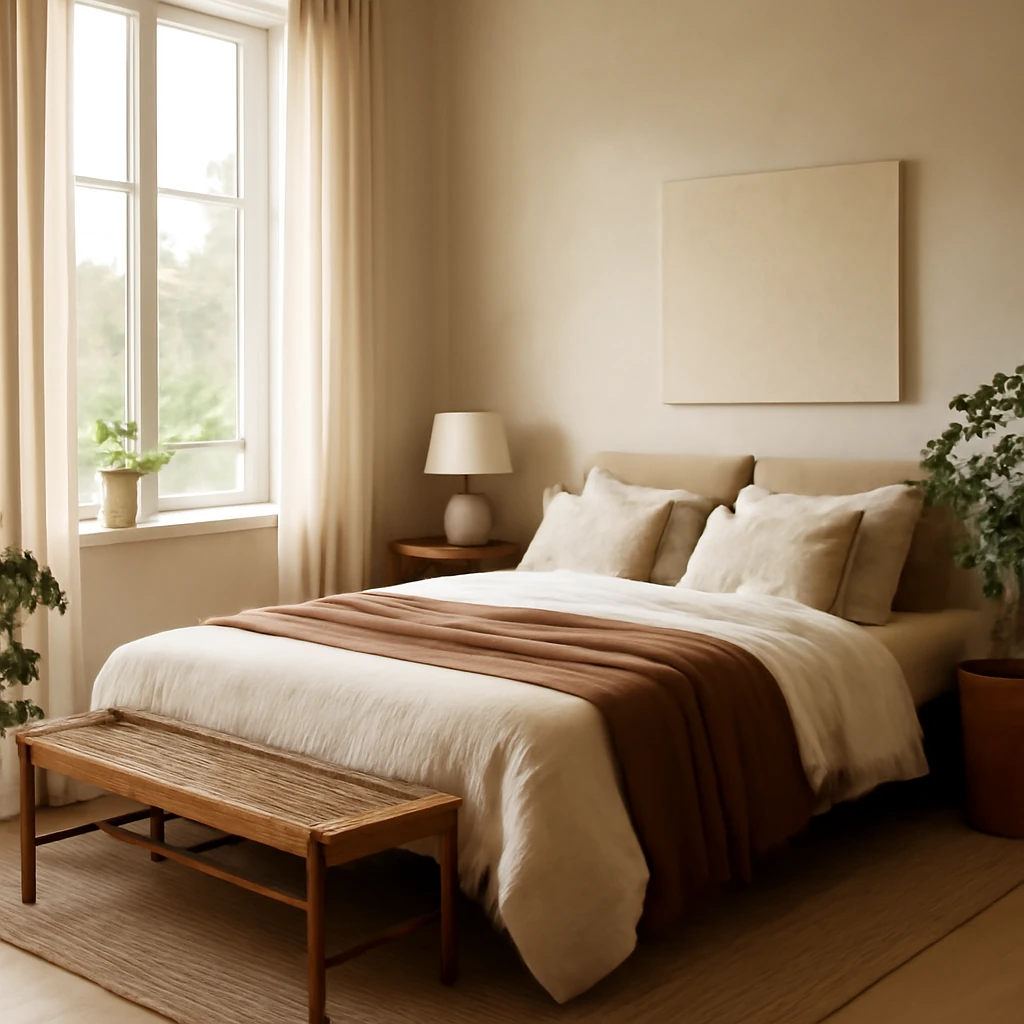
For whom contemporary works best
Contemporary, or contemporary-inspired interiors, is not a single, rigid style. It is an eclectic synthesis of the most relevant influences of the moment, crafted to feel calm, coherent and readily adaptable. In European homes, this approach often results in spaces that exude quiet confidence rather than ostentation. The tone is restrained, with an emphasis on good proportions, tactile materials and a balance between form and function.
In practice, contemporary design is ideal for rental properties, where tenants want a modern, homey feel without committing to a loud stylistic signature. It is also a practical choice for hotels or serviced apartments, where interiors must stay current for several years while remaining adaptable to a variety of tastes. A contemporary bedroom can be refreshed with a few strategic changes - new textiles, lighting, or a single statement piece - without a full renovation.
In Europe, you may see contemporary bedrooms ranging from understated, soft-toned sanctuaries to more confident schemes that pair architectural details with a restrained modern mood. The common thread is cohesion: furniture, finishes and textiles read as a single, deliberate composition rather than a collection of separate items.
What the term contemporary means in interior design
The term “contemporary” emerged in the late 20th century as a dynamic response to evolving tastes. It is less about a fixed palette or a canonical set of forms and more about drawing on the strongest ideas from various movements - modernism, minimalism, art deco, and the present-day preferences of designers and clients. A European interpretation of contemporary interiors often prioritises utility, natural light, and a tactile material language, with a preference for pared-back silhouettes and honest finishes.
Over time, the contemporary interior adapts to each era’s mood. What is contemporary today may be reinterpreted tomorrow as fashions shift, but the aim remains: a space that feels current, comfortable, and timeless in its own way. A bedroom designed in a contemporary spirit can incorporate bold moves or quiet restraint, depending on the broader architectural context and the resident’s daily routines.
In practice, this means the bedroom is not a stage for fleeting trends but a well-considered environment that balances soft textures with architectural clarity. It can accommodate a striking piece of art or a dramatic lighting installation, provided the piece is integrated with the room’s overall rhythm rather than dominating it.
How contemporary differs from other modern styles
- Contemporary contains more detail and nuance than strict minimalism. It respects clean lines but allows texture, textile, and a restrained material palette to create depth.
- Compared with neoclassicism, contemporary is less about richly ornate surfaces and more about modern proportions and comfort. It can include classical hints, but never in an overbearing way.
- Unlike traditional modernism, which often samples mid‑century aesthetics, contemporary is deliberately flexible - it's the sum of current influences rather than a fixed set of shapes or patterns.
- Contemporary varies greatly depending on the contemporary styles it incorporates. It can be bold and memorable, though a more common form emphasises clean lines, muted neutrals and tactile textures. For example, a bedroom in a compact European city apartment might use a restrained palette with a single expressive feature to anchor the space.
- Another example might feature a calm, light-filled bedroom with integrated lighting, a low-profile bed and refined fabrics, showing how contemporary can be both serene and refined in a busy urban setting.
- Ultimately, contemporary interiors are about intentional choices and a cohesive reading of space, rather than a set list of decorative motifs.
Colour palette in contemporary bedrooms
The backbone of contemporary bedrooms tends to be muted, natural colours. Shades of grey and beige serve as reliable foundations, while black, deep navy and dark green act as subtle, sophisticated accents. It is common to see a restrained, neutral base with a handful of tonal contrasts used in upholstery, bed linens or a specific architectural detail.
Occasionally, contemporary schemes introduce brighter accents drawn from current design currents. These bursts of colour are used sparingly and often in fabrics or accent furniture, allowing the room to feel fresh without losing its calm core. The palette should be flexible enough to accommodate changes in textiles, artwork and soft furnishings as tastes shift.
Contemporary design in the bedroom
For the bedroom, contemporary design offers an ideal balance of comfort and clarity. The space should feel quiet and inviting, with a clear sense of order that supports rest and relaxation. The furniture layout should guide the eye and the movement of the occupant, rather than creating visual noise. In European homes, this often translates to a simplified plan with well-proportioned pieces, generous but not overwhelming surfaces, and a restrained palette that harmonises with the architecture.
In a contemporary bedroom, the shapes of furniture and the colour palette must read as a single composition. When carefully composed, the room appears as a unified whole rather than a collection of individual objects. This coherence is achieved through alignment, consistent detailing and deliberate material choices.
In a typical European apartment, a contemporary bedroom may be designed to be adaptable, ready to receive different textiles or a new focal point without requiring major changes to the structure. A neutral bed frame, a compact, well-made wardrobe, an understated nightstand and a comfortable seating option can all be combined with precision to maintain a calm, integrated look.
Walls
Walls in a contemporary bedroom are usually finished in neutral tones - soft whites, warm creams, pale greys or taupes. These surfaces can be painted or wallpapered with subtle texture to add depth without visual clutter. Modern plaster finishes, such as a matte plaster or a smooth limewash, are also common and durable choices that pair well with a wide range of furniture and textiles.
A common technique is to divide a wall into two light, complementary tones, creating a gentle horizontal or vertical division that reinforces the room’s geometry. Linear mouldings or restrained architectural detailing around doors and frames can enhance depth while remaining unobtrusive. Light walls also help reflect daylight more effectively in compact spaces, making the room feel more generous.
In rental or multi-tenant properties, light, neutral walls simplify personalised styling and allow residents to introduce colour through soft furnishings and artwork without clashing with the base finish.
Flooring
Contemporary bedrooms suit a wide range of floor finishes as long as the look remains cohesive with the rest of the scheme. Wood-look alternatives - such as engineered wood, high-quality vinyl or laminate - offer the warmth of natural wood with practical durability. The tone should be light to mid, avoiding highly textured surfaces that compete with textiles and furniture for attention.
To emphasise the clean lines of the contemporary aesthetic, pairing a light floor with a white or pale moulding creates a crisp boundary between wall and floor. If the floor is darker, balance it with lighter wall tones and lighter textiles to preserve a sense of airiness.
Ceiling
A smooth white ceiling is the standard for contemporary bedrooms. It can be flat, but where architectural features exist, such as a dropped ceiling or recesses, keep the edges sharp and the lines straight. Where space allows, consider a subtle radiant or track lighting system integrated into the ceiling to create evenly distributed illumination without cluttering the visual field.
In rooms with higher ceilings, consider a minimal pendant or linear fixture that emphasises the room’s length without drawing too much attention to itself. The goal is to preserve a sense of height and clarity, reinforcing the calm, orderly character of the space.
Furniture
Contemporary bedroom furniture is typically solid and well-made, often using natural materials or their high-quality imitations. Case goods are usually monochrome - constructed from a single wood species or in a uniform colour - most commonly in grey tones, with occasional deeper blues or greens for variation.
The bed is often a focal anchor in the room, with a low-profile frame or a softly upholstered headboard that exudes comfort without excess ornament. Nightstands should be streamlined, with clean edges and slim legs in metal or wood. When choosing upholstery, prefer matte finishes, leather is used sparingly, and where used, it should be understated.
Small details - such as metal or brass hardware on drawers, and legs in brushed chrome or blackened steel - add a refined, contemporary edge without introducing visual clutter. The aim is furniture that looks durable, timeless and well composed within the space.
Storage is typically integrated and quiet in appearance: wardrobe systems with concealed hardware, drawers that close softly, and shelves that appear deliberately arranged rather than randomly filled. The balance between storage and display is crucial to maintaining calm in the bedroom.
Lighting
Lighting in contemporary bedrooms prioritises function and atmosphere. The ceiling may feature a large, understated light fixture, or a discreet track system that allows multiple light points to be directed where needed. Bedside lighting tends to be slim, vertical or compact, with simple shapes that align with the room’s clean lines.
Warm, natural illumination is essential: aim for a colour temperature in the range of 3000K–4000K for most activities. Avoid excessively warm (yellow) or cool (bluish) light that can disrupt the room’s balance. Layered lighting - ceiling, wall, and task lighting - enables residents to adjust mood and function according to time of day and activity.
LED wall wash and discreet cove lighting can add subtle ambience to the space without dominating the ceiling plane or creating glare. The emphasis is on lighting that enhances form, texture and comfort rather than serving as a decorative statement in itself.
Textiles
Textiles in contemporary bedrooms are mainly solid and matte, with minimal or no patterns. Curtains and bed coverings tend to align in tone with walls or furniture, creating a cohesive field of colour that reinforces the room’s calm quality. If patterns are used, they are restrained - simple stripes or a classic check in a subdued palette.
Blankets, cushions and throws provide tactility and colour without distraction. White bedding is common in modern schemes, paired with charcoal or graphite accents. The texture of the fabrics - soft wools, brushed cottons, or high-quality linens - contributes to the room’s sensory experience and overall warmth.
Rugs can anchor the space, provided they are carefully chosen to complement the floor and furniture. A single rug with a subdued texture can soften the room and define the sleeping zone without interrupting the architectural simplicity of the layout.
Decor
Decor in contemporary bedrooms should be purposeful and restrained. The rule of thumb is to have one distinctive piece that acts as a focal point while keeping other surfaces uncluttered. This could be a large abstract painting, a sculptural vase, or a striking mirror. Too many decorative objects can disrupt the room’s clarity, so select items that have strong presence and meaning.
- Abstract art can be a sophisticated addition to a contemporary bedroom, provided it harmonises with the room’s palette and lines.
- Other well-chosen accents - such as a single sculptural object or a sculptural lamp - can elevate the space without overwhelming it.
- Mirrors placed thoughtfully can enhance daylight and reinforce the sense of space in smaller bedrooms.
Concluding thoughts
Contemporary is a design ethos that evolves with time, absorbing the most successful ideas of the moment while remaining focused on comfort, proportion and longevity. In a neutral European apartment, a contemporary bedroom can serve as a quiet sanctuary that is easy to live with and simple to refresh. The key to a successful contemporary scheme lies in thoughtful balance: plan the furniture layout with the room’s architecture in mind, choose materials and finishes that age well, and keep the palette restrained enough to let textiles and lighting shape the room’s mood.
For those decorating rental homes or multi-tenant properties, the contemporary approach offers flexibility. It supports a restrained base that tenants can personalise with soft furnishings, art and accessories, while still preserving a cohesive, professional aesthetic across spaces. The result is a bedroom that feels calm, refined and genuinely adaptable to the residents’ needs and tastes.
You may also find these topics interesting
Scandinavian-inspired bedrooms: practical tricks that work
Japanese influence in interiors: principles and apply‑it‑today ideas
Loft-style furniture: choosing pieces for diverse rooms
You may also like these articles
 Interior Design
Artful Interiors: How to Choose, Size and Place Paintings Across European Homes
A design-forward guide to paintings in European interiors.
Renovation
Cosmetic versus capital renovation: planning a smarter European home upgrade
A practical guide to choosing cosmetic or capital renovation across Europe.
Small Spaces
Compact living, big possibilities: planning a 6x6 metre home across Europe
Small footprint, smart design: five layouts for a 6x6m home.