
Explore interior trends, AI design insights, styling guides and real transformations
Kitchen Trends 2025: A European Designer’s Guide to Cohesive Interiors
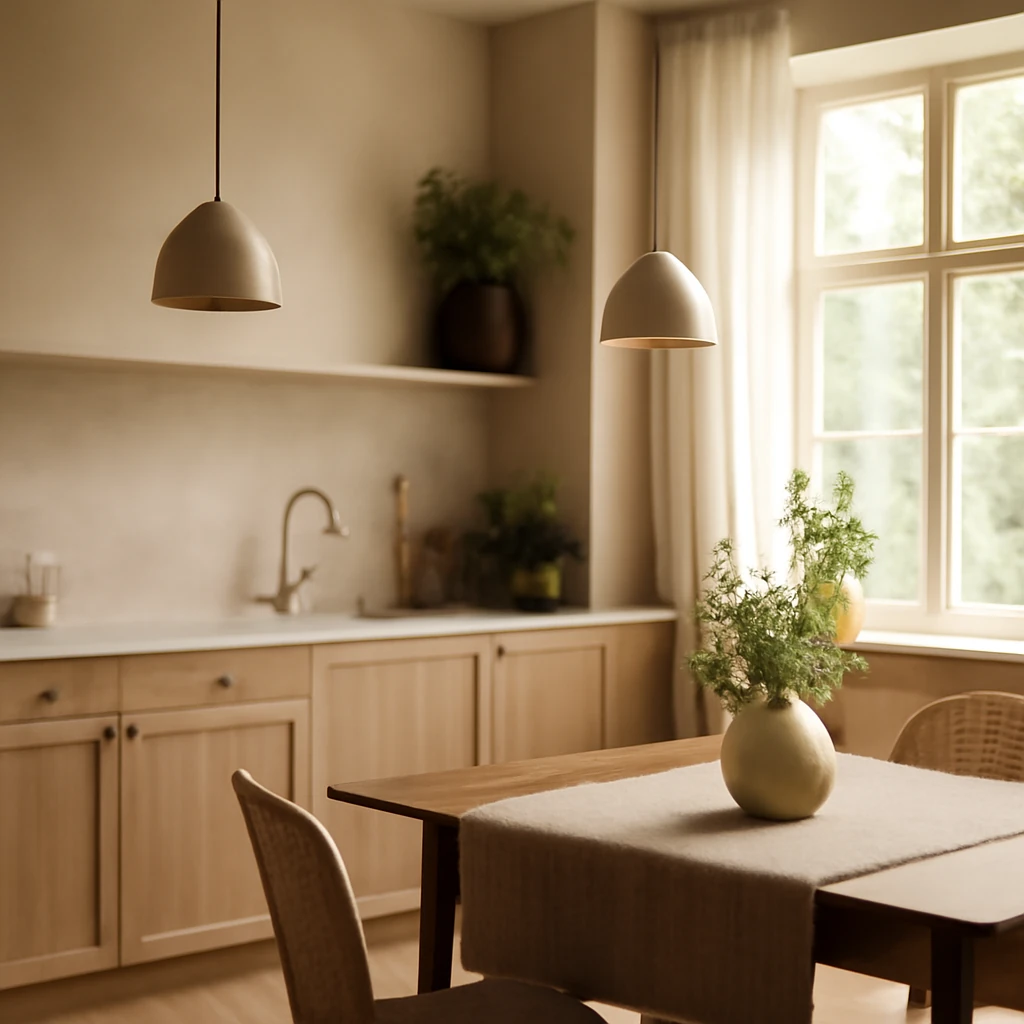
Introduction: the kitchen as a design priority in 2025
Across Europe, the kitchen has moved beyond its utilitarian roots. It is now a central hub where cooking, storage, working and socialising collide. Designers emphasise cohesion with the rest of the home, sustainable materials, and intelligent technologies that simplify daily routines. This feature explores the most relevant styles, materials, and practical decisions shaping European kitchen design in 2025, with guidance for renovations and new builds alike.
Trends in kitchen interiors 2025: styles that resonate across Europe
Kitchen as a unifying interior style
Contemporary design treats the kitchen as an extension of the whole interior. Rather than subdividing trends by room, today’s best projects ensure the kitchen shares tone, material language and proportion with living spaces. If magazines highlight soft forms or particular colour families, those cues are now adaptable to a variety of spaces. The kitchen becomes a conduit for the overall atmosphere of a home.
Practically, this means that instead of pairing a classic kitchen with a modern interior, designers seek a single, coherent language: soft shapes, refined colour palettes, and material continuity - applied across cabinetry, panels, and fittings. The result is a kitchen that reads as part of the same architectural story as the rest of the apartment or house.
- Loft-inspired configurations are evolving toward calmer, more refined concrete textures rather than exposed brick.
- Scandinavian-inspired schemes remain popular, but with warmer palettes and handle-less joinery.
- Classic influences appear in restrained forms and concealed appliances to avoid a pastiche look.
Technical upgrades for the kitchen
Advances in materials and electronics continually shape contemporary kitchens. Induction cooking, seamless integration of appliances, and smart features are now commonplace. In European homes, you may encounter ideas such as appliances that do not require mains water connections, compact vacuum systems, in-sink waste disposal units, or water‑heated taps. While these specific devices are optional, they illustrate a trend toward convenience and quality of life improvements through thoughtful technology.
Takeaway: when planning a kitchen for the future, consider non‑essential but highly convenient devices that enhance daily life without compromising aesthetics or budget.
Note: no specific brands are named here, design consultants assess options on merit and compatibility with project requirements.
Loft style on the kitchen: concrete over brick
The loft aesthetic continues to evolve. While brick textures were once the signature of this look, the 2025 language leans toward concrete finishes, refined metal accents and sleek, practical detailing. This shift creates a more versatile, adaptable backdrop for a European kitchen that is used daily rather than staged for photography.
What’s out of favour: brick‑imitation tiles or brick-patterned panels in spaces where a softer, more universal palette is desired. What’s in: concrete textures, refined black hardware, and minimalistic lighting that emphasises form and function.
In practice, a typical contemporary loft kitchen favours clean lines, concealed cabinetry, and a restrained palette that allows natural materials to take centre stage.
Scandinavian style in the kitchen - with no fuss
The beloved Scandinavian look remains a fixture, but 2025 bodies it with colour, warmth and texture. Expect calmer surfaces, matte finishes, and doors that open with a light touch rather than visible handles. Colour now leans away from stark white toward softer cream, greys and pastel tints, while timber tones become richer and more nuanced.
- Handle-less doors and push-to-open mechanisms for a clean façade
- Flooring and wall surfaces in gentle, tactile tones
- Timber veneers or solid timber fronts with natural grain
In modern Scandinavian kitchens, warmer woods and quieter palettes lessen the clinical feel of white cabinetry, making the space more liveable.
Classical kitchen style - light, restrained theatrics
Classical styling remains relevant, but in 2025 it is interpreted with restraint. Expect softer mouldings, concealed appliances, and cabinetry that blends seamlessly with counters and wall finishes. The goal is timeless elegance rather than ornate bravura. The result is a kitchen that feels noble without being ostentatious.
- Contemporary takes on traditional profiles with subtle details
- Soft finishes that avoid heavy wood or gold ornamentation
- Integrated appliances behind unobtrusive panels
Minimalism with colour
Minimalist kitchens are renowned for their clarity and simplicity, but today’s interpretation embraces colour as a design tool. Instead of pure white or black, many spaces feature sophisticated matt finishes in nuanced tones. The result is a calm, luxurious space where colour adds depth rather than distraction.
How it works:
- Matte cabinet fronts in muted tones
- Mixed materials to add subtle texture without visual noise
- Hidden storage and clever organisation to maintain a tidy surface area
Mid‑century modern on the kitchen floor plan
The mid‑century revival continues, reinterpreted for contemporary life. Light colourways paired with natural wood, characteristic curves, and a playful but collected aesthetic create warmth and personality. This style blends well with both urban lofts and calmer, quiet apartments across Europe.
Japandi in the kitchen - calm, warm and functional
Japandi remains highly influential, combining Scandinavian silence with Japanese minimalism. Expect soft neutrals, gentle textures, and rounded forms. The palette often features five or six tones that work cohesively, with natural wood and soft fabrics contributing tactility and warmth.
- Soft beige and stone hues with natural timber
- Rounded hardware and ergonomic shapes
- Uncluttered surfaces and hidden storage solutions
Neo‑Memphis: bold form, playful colour in the kitchen
Neo‑Memphis reinterprets the 1980s design language with a contemporary edge. Expect bold geometric forms, vivid colours, and tactile, mixed textures. Used thoughtfully, this approach can inject energy into a kitchen while maintaining modern proportions and comfort.
- Curved and angular blends in cabinetry and fixtures
- Vibrant accents combined with neutral bases
- Statements that remain integrated within a calm overall palette
Statement: the neo‑memphis palette in practice
When applied to kitchens, neo‑memphis translates into a confident but curated selection of hues, textures and shapes. The aim is to create character without overwhelming the space, pairing punchy tones with supportive neutrals and high‑quality materials.
Popular colour solutions for kitchens in 2025
Two‑tone kitchens - upper and lower or adjacent walls
Two‑tone schemes continue to be a robust way to add depth to a kitchen without compromising cohesiveness. Practical approaches include keeping the upper units lighter and the lower units darker, or pairing adjacent walls in complementary colours. The key is to avoid random colour patches and maintain a considered rhythm across the space.
- Upper units in a lighter shade, lower units in a deeper tone to visually lift the ceiling
- Ceiling colour harmonised with the mid or lower tone to create a grounded feel
- One‑wall cabinetry in a single colour with a contrasting island or focal wall
Complex, matte tones
Soft, complex tones that incorporate grey or warm undertones are preferred over primary colours. These hues look more expensive and change with the light, giving depth to both small and large kitchens.
- Deep blues, moody greens and rich teals with meticulous matte finishes
- Shades with warm undertones that read as natural rather than clinical
Brown-toned palettes and warm neutrals
Brown hues, from light biscuit to dark chocolate, remain strong. Combined with orange or mustard accents or with olive greens, they create inviting environments. Wood textures - whether in veneer, solid timber or timber‑look laminates - continue to anchor these palettes.
- Mid‑tone browns to create warmth without heaviness
- Pretty contrasts achieved with complementary greens or gold‑tone hardware
Soft pinks, mint and lilac: keeps a fresh, friendly tone
Pinks, along with mint and lilac accents, offer a gentle, contemporary mood. Used sparingly, they brighten spaces and pair well with natural woods and stone textures.
- Soft blushs on tiles, textiles or small accent furniture
- Complementary cool or warm neutrals to balance brightness
Dark greys with colour undertones
Charcoal and anthracite bases, with colour undertones visible under certain lighting, create sophisticated backdrops for vibrant details. This approach remains sophisticated and adaptable across both compact and expansive kitchens.
- Grey bases complemented by brass, black or turquoise accents
- Subtle variation in tone to avoid flatness
Wood everywhere: furniture, façades and worktops
Timber is back as a primary material, used across doors, panels and worktops in light and dark variants. Smooth, modern timber with minimal ornamentation sits well in contemporary and traditional interiors alike.
- Timber fronts with subtle grain for a warm, contemporary feel
- Timber worktops paired with cool stone or solid surface counters
Creamy whites replace stark white in many Nordic‑influenced kitchens, offering warmth while preserving clarity. This shift supports a move toward japandi and softer, more human spaces.
- Cream or ivory bases paired with natural woods
- Warm lighting to enhance the soft, inviting character
Bold patterns and vibrant contrasts continue to appear, particularly where owners want to express personality. Neo‑Memphis elements can be considered as a controlled accent rather than a full renovation direction.
Flooring, walls and lighting: the three‑part foundation
Two modern flooring options dominate European kitchens: quartz vinyl tile (LVT) and porcelain stoneware. Each offers durability and moisture resistance, with LVT providing a warmer touch underfoot. Large‑format tiles are increasingly popular for a seamless look with fewer grout lines, while the choice of finish - matte or satin - affects perceived warmth and soft reflections from lighting.
- Quartz vinyl tile: durable, versatile, easy to maintain, requires a perfectly level subfloor
- Porcelain stoneware: robust, cool to touch, excellent for underfloor heating
- Large‑format tiles on floors to achieve a continuous, calm surface
Venturing beyond floor surfaces, wall and ceiling finishes also play a major role. Subtle textures, natural pigments, and restrained patterns keep spaces from feeling busy. For power and convenience, outlets and sockets are planned with care, so daily usage remains smooth and unobtrusive.
Electrical sockets and power management
Effective power management remains essential in contemporary European kitchens. Sockets are planned at the design stage, with provisions for multiple outlets along the worktop and within the splashback. Sliding or retractable sockets are possible options, but they can intrude on storage space or require maintenance. A pragmatic approach is to allocate extra outlets in key zones - near the sink, the cooking area, and the dining zone - while keeping the aesthetic tidy.
- Underside or wall‑mounted outlets along the worktop for easy access
- Considerations for under‑cabinet or pocket outlets to reduce visual clutter
Lighting: three zones for a well‑lit kitchen
Modern kitchens benefit from layered lighting. Three levels are recommended: task lighting over the work surface, ambient lighting for the room, and a dedicated light over the dining area. Recessed or surface LED fittings, combined with under‑cabinet strips, create a flexible, glare‑free environment conducive to cooking and socialising alike.
- Under‑cabinet lighting for precise tasks
- A suspended pendant or a small chandelier above the dining table to anchor the space
- General ceiling lighting to ensure even illumination across the room
Top cabinets up to the ceiling - or a two‑tier approach
In 2025, most European kitchens avoid inaccessible, high‑mounted units. The preferred solution is either cabinetry that reaches the ceiling in some zones or a two‑tier system with shallow compartments above standard cabinetry. Both options hide clutter while preserving headroom and airflow. A plasterboard box can discreetly conceal vents and pipes, creating a neater silhouette.
More versatile storage: carousel units and sliding shelves
To optimise corner spaces and narrow zones, designers champion carousel fittings and pull‑out shelving. These solutions maximise storage without compromising accessibility, particularly in difficult layouts and compact kitchens, where every centimetre matters.
Armetures and hardware: black and coloured fixtures
Contemporary kitchens frequently feature sinks integrated into the worktop and harmonised with the countertop edge or a coloured mixer. Black or coloured taps add a modern accent, while chrome or brass ingredients remain valuable but less common in new projects. The overall effect is cohesive, with hardware chosen to complement the cabinetry rather than dominate it.
Smart, practical details for a calm kitchen
Even with the trend toward quiet palettes, the kitchen remains a stage for practical detailing. Hidden detergent dispensers, discreet towel rails, and storage organisers that disappear behind panels help reduce visual clutter. A well‑considered back panel, such as a magnet-friendly splashback or a concealed power strip, keeps counters clean and functional.
Trends in finishes and surfaces: making the space tactile
In 2025 European kitchens emphasise material authenticity and tactile appeal. Durable surfaces with subtle texture win over highly polished finishes. The goal is a space that feels calm yet ergonomic, with a balance of warmth and modern precision.
Wood: warmth and versatility
Wood remains a cornerstone, used in both light and dark tones with smooth, contemporary finishes. It pairs well with stone worktops and neutral walls, providing a natural contrast to steel appliances and glass fronts. Wood veneers and solid timber fronts with shallow grain create an understated elegance that ages well.
Stone and stone‑like worktops
Stone or faux stone surfaces are prominent for durability and beauty. Engineered quartz and solid surface materials offer seamless, heat‑ and stain‑resistant options. They work particularly well in L‑shaped and island configurations, where a continuous surface without joins supports both cooking and casual dining.
Facades: ribbed MDF, glass and polymer fronts
Ribbed MDF fronts bring texture and depth to cabinetry, while solid glass or frosted glass fronts give a lightweight, contemporary feel. Plastic or polymer facades are also used in some contemporary kitchens for durability and ease of repair. The overall intent is to allow the cabinetry to recede visually while still providing durable, wipeable surfaces.
Glass and translucent panels
Fully glazed fronts or glazed panels create visual lightness and can be used strategically to reflect light or showcase prized pieces. When used, they are balanced by opaque walls or closed storage to avoid a cluttered look.
Countertop materials: practical and stylish
Solid surface and engineered stones dominate, offering seamless joints and durable, hygienic surfaces. Concrete looks are also popular for those seeking an industrial edge, though colour options are often more restricted. A practical choice is a white or pale base with a warm undertone to maintain daylight reflection without glare.
Ventilation and integration
Ventilation systems are now designed to integrate with cabinetry, helping to maintain a clean ceiling line. Concealed hoods or recirculating options are common in compact spaces, while wall‑mounted or island hoods are chosen for larger rooms where a focal point can be celebrated rather than hidden.
Smart, efficient kitchens: space planning and living well
Smart features are increasingly about convenience and wellbeing rather than showing off new tech. From intelligent lighting controls to app‑driven climate and energy management, designers are prioritising comfort, energy efficiency and longevity. The most successful European kitchens balance technology with warmth and tactility, ensuring everyday use remains intuitive and enjoyable.
Practical guidance: expert tips for planning a 2025 kitchen
To help you design a kitchen that performs beautifully and ages gracefully, consider these pragmatic questions before you start planning. A thoughtful approach saves time, money and future rework.
- How frequently do you cook for family and guests, and how many people typically dine at home?
- Do you want a kitchen that feels expansive and bright, or is a cozier, more intimate space preferred?
- Will you store large staples and seasonal items in open shelves, or do you prefer concealed storage?
- Do you rely on particular appliances, such as speciality coffee machines, high‑powered grills or integrated dishwashers? How essential are they to daily life?
These questions help determine layout, finishes and storage strategies that keep your kitchen reliable and beautiful for years to come.
Planning for renovation: a European perspective
Renovating a kitchen in a European context involves balancing heritage materials with contemporary needs. Architects and designers often begin with an assessment of the existing space, structural constraints, and the flow between the kitchen and adjacent rooms. The most successful projects achieve: a sense of unity with surrounding interiors, robust natural and artificial lighting, durable surfaces, and intelligent storage that remains easy to use as families evolve.
In compact urban homes, the emphasis shifts toward long, slender storage runs, integrated appliances, and clever corner solutions. In larger homes, there is more opportunity to craft an architectural statement through materials, colour, and lighting that still feels cohesive with the rest of the house.
Conclusion: designing for the European home in 2025
The kitchen of 2025 in Europe celebrates integration, function and warmth. It is less about chasing a single trend and more about composing a holistic interior where materials, colour, and light work together across spaces. By embracing durable surfaces, thoughtful storage, and tactful technology, you can create a kitchen that remains relevant, efficient and inviting for years to come.
You may also like these articles
 Tips & How-To
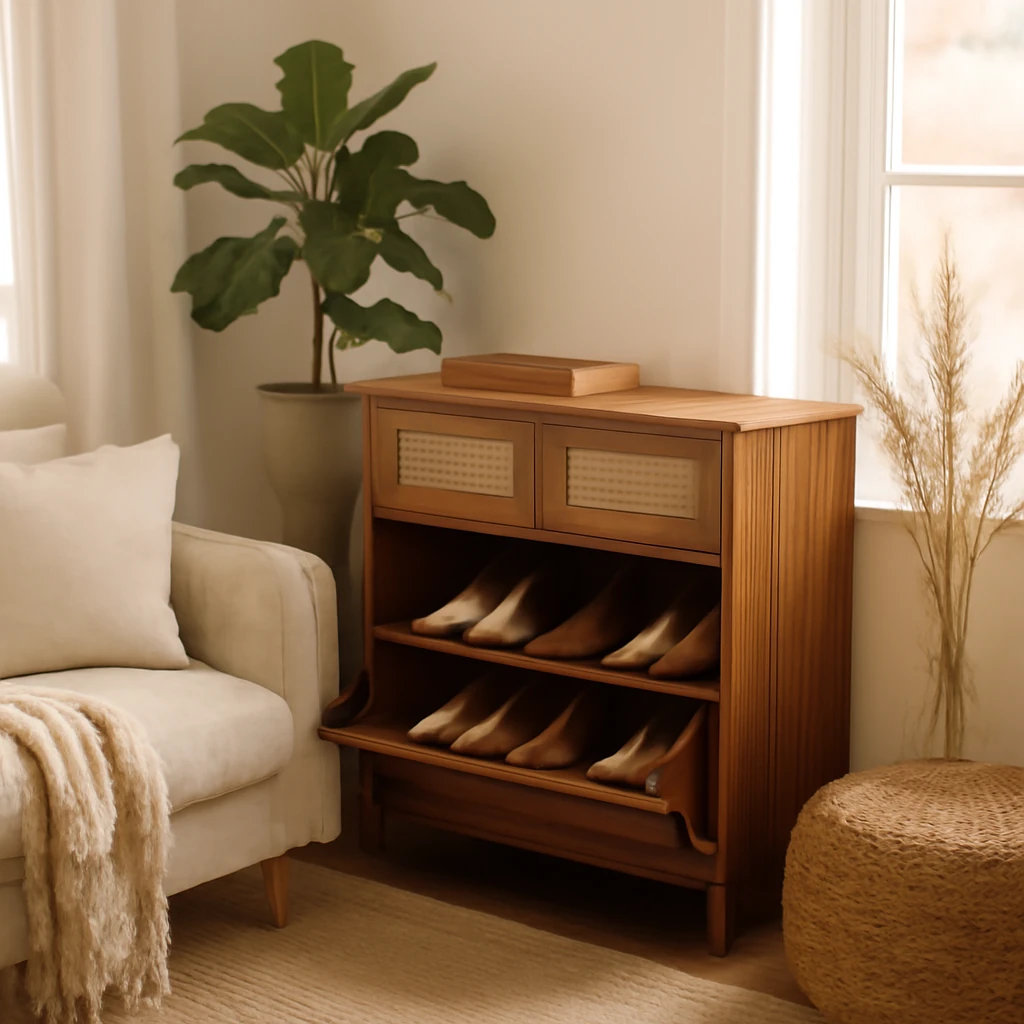
Mastering shoe storage in European homes: practical design solutions
Smart, stylish ways to store shoes across European homes.
Colour & Materials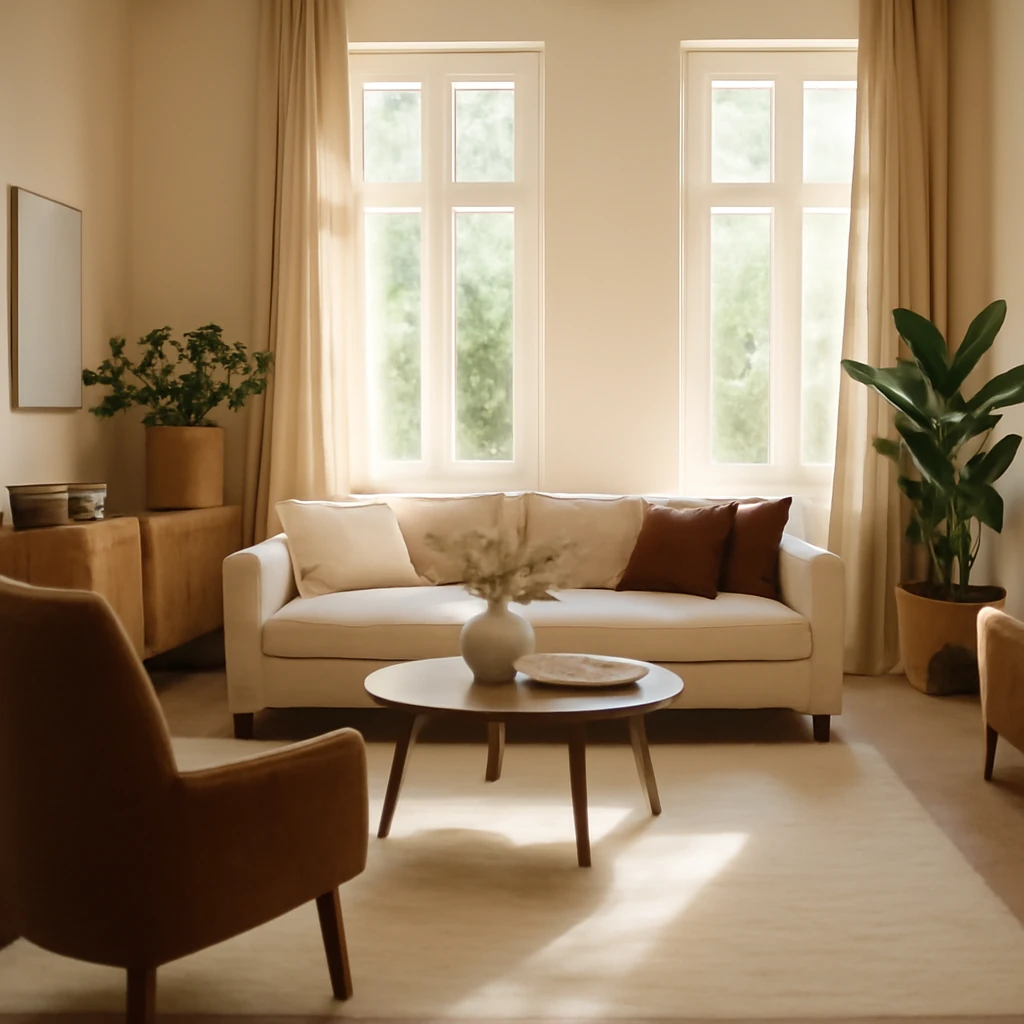
Colour strategy for European homes: palettes, proportions and practical tips
A practical guide to colour palettes for European interiors
Small Spaces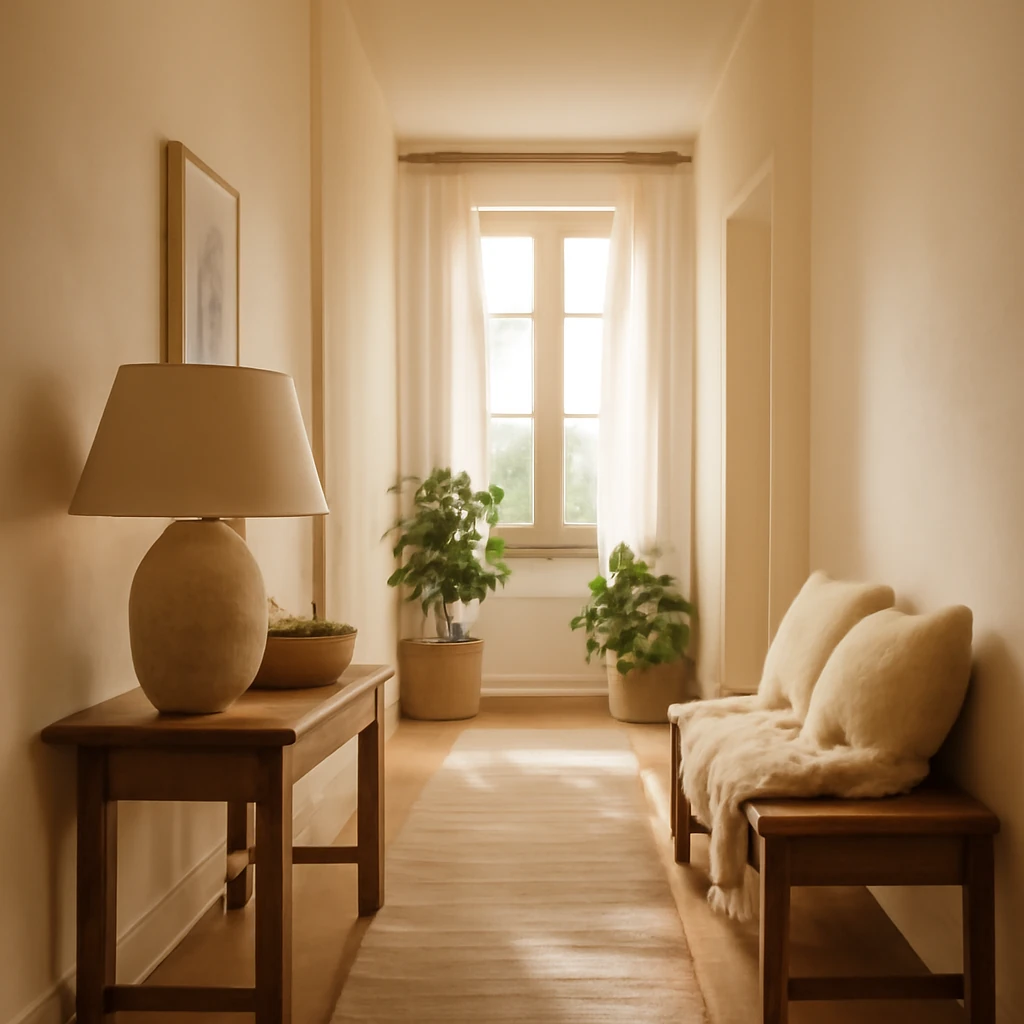
Narrow Corridor Design: Techniques to Make Long Hallways Feel Spacious across Europe
Master the art of making long, narrow corridors feel spacious with European flair.